What the pandemic years showed us
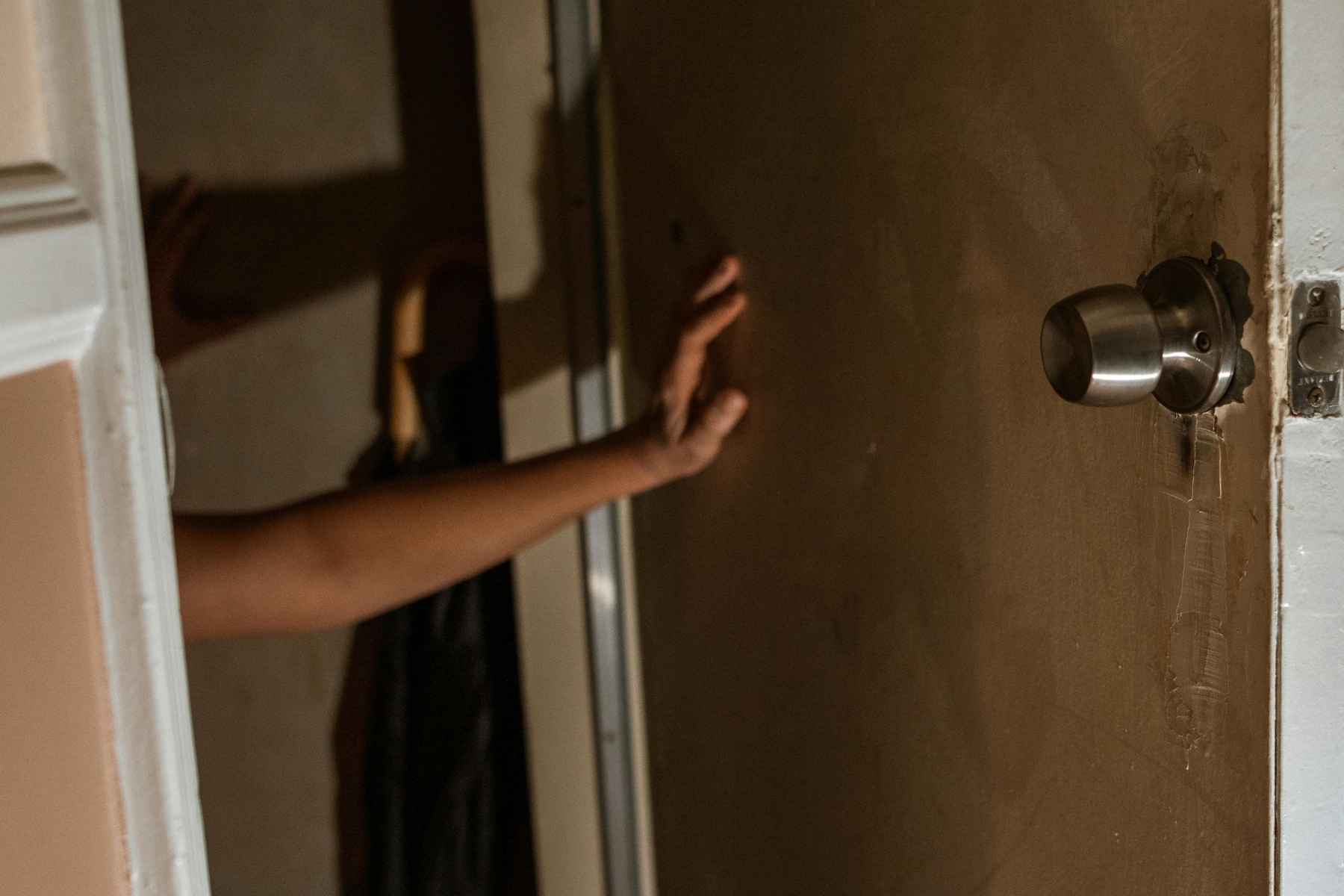
The Covid-19 pandemic confined families together for months, removing the usual outlets — exercise, activities, social contact — that help people manage stress. In homes that were already difficult, this became dangerous. But even families that had previously been stable were placed under extraordinary pressure.
Refuge, the UK's largest provider of domestic abuse support, recorded a significant rise in calls to its helpline during lockdown, followed by a surge in demand for emergency accommodation as restrictions lifted — a pattern that reflects what happens when families are under sustained, inescapable pressure.
Children stuck at home were more exposed to physical, sexual and emotional abuse, and had fewer opportunities to disclose anything to a trusted adult outside the family. Those already known to children's services had fewer check-ins from professionals. All children were absorbing repeated messaging about a dangerous virus, without the steadying influence of peers, teachers and school routines.
Many children were also suddenly and unexpectedly bereaved — unable to say goodbye, and without the usual rituals of mourning and collective support.
Warning signs
Returning to school after any prolonged disruption is an adjustment for most children. Higher-than-usual levels of excitement or anxiety, difficulty concentrating, and some friction in friendships are all to be expected.
The children who are hardest to miss are those who are visibly dysregulated — lashing out at peers or staff. Their behaviour can be jarring, but it isn't always recognised as a response to trauma.
Harder to spot are the children who hold everything in:
- Those who can't concentrate because their brain is scanning the room for threats — who's whispering, what's that noise in the corridor — and has unconsciously classified the environment as unpredictable and potentially dangerous.
- Children who have experienced domestic violence or maltreatment can show fear responses to stimuli they're not even consciously aware of. Research has demonstrated activation of fear-related brain areas in such children when an angry face was displayed too briefly for them to register it consciously.
- Children who have become significantly more anxious — worried about more things, more of the time.
- Previously confident children who are now timid and withdrawn.
- Children who were already prone to worry, now paralysed by it.
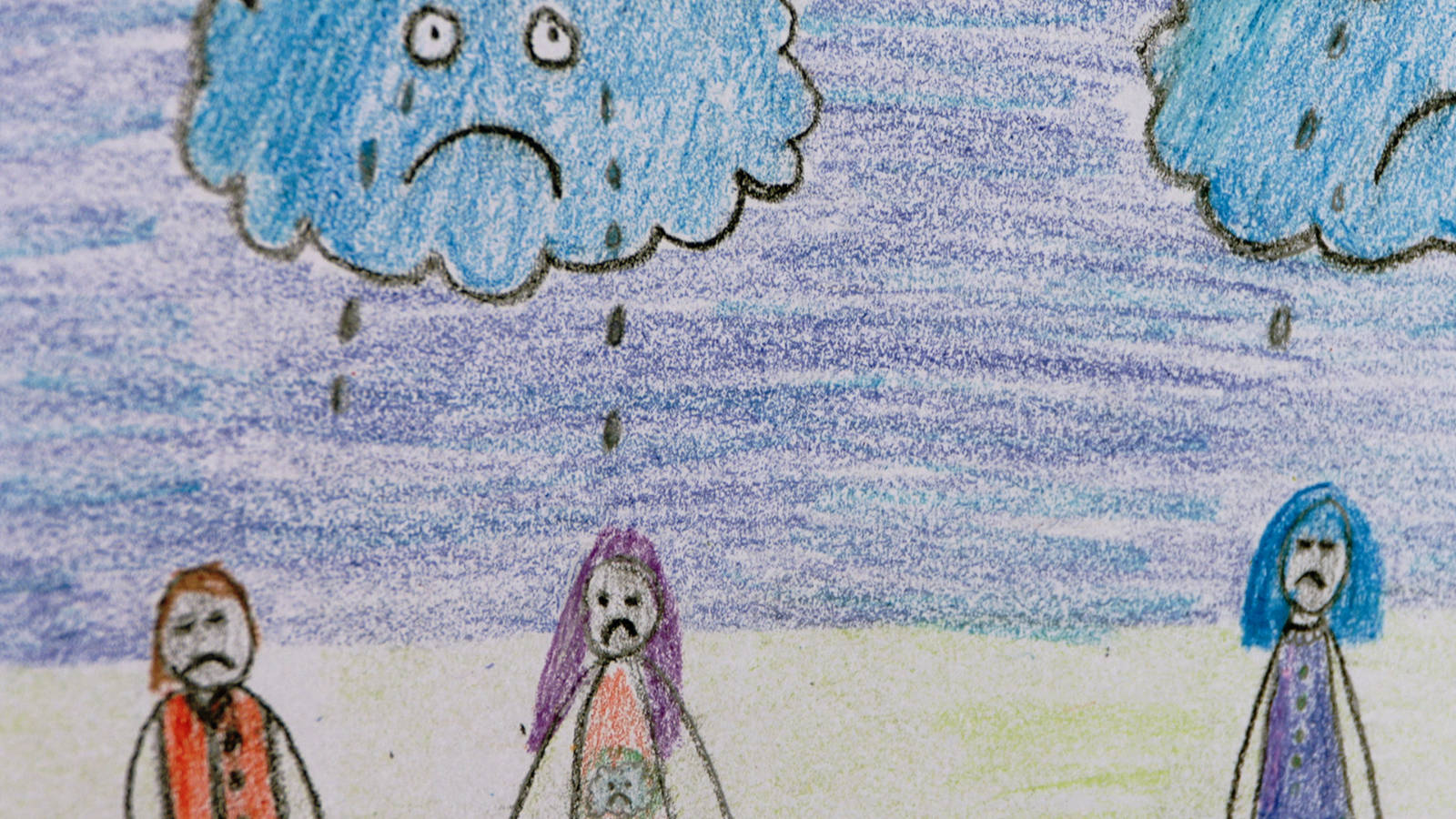
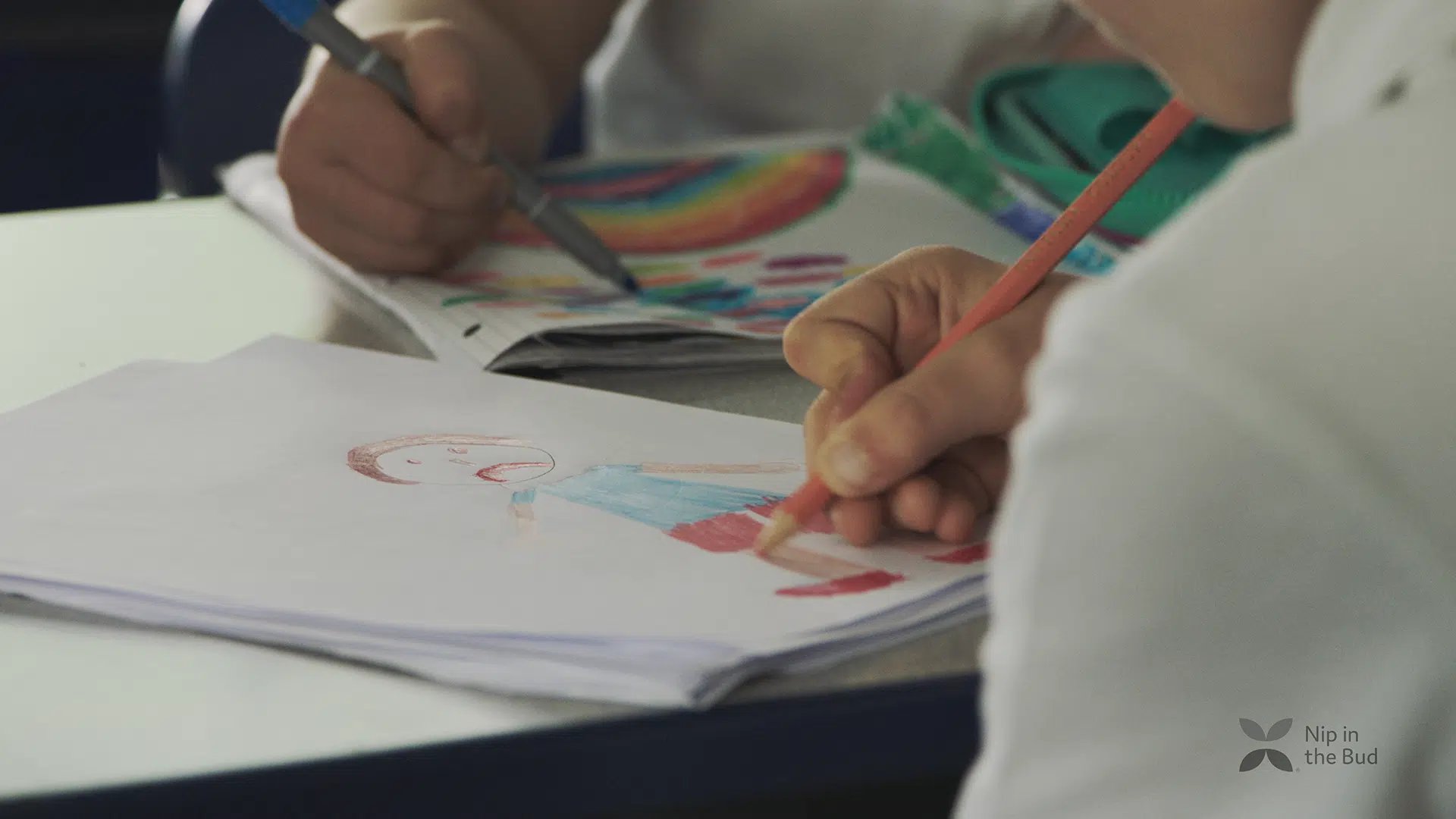
- Children who are low in mood, quiet and preoccupied — easy to overlook in a busy classroom because they don't disrupt anything, but who may be experiencing intrusive images, hopelessness, and a belief that they are worthless and unloved. As one child described it: the harder he tried to push the images away, the harder they came back — like a boomerang.
What you can do
You are not a therapist. But you are exceptionally well-placed to be therapeutic.
You can notice. You can track whether a child is gradually improving, staying the same, or deteriorating. You can create space for them to speak.
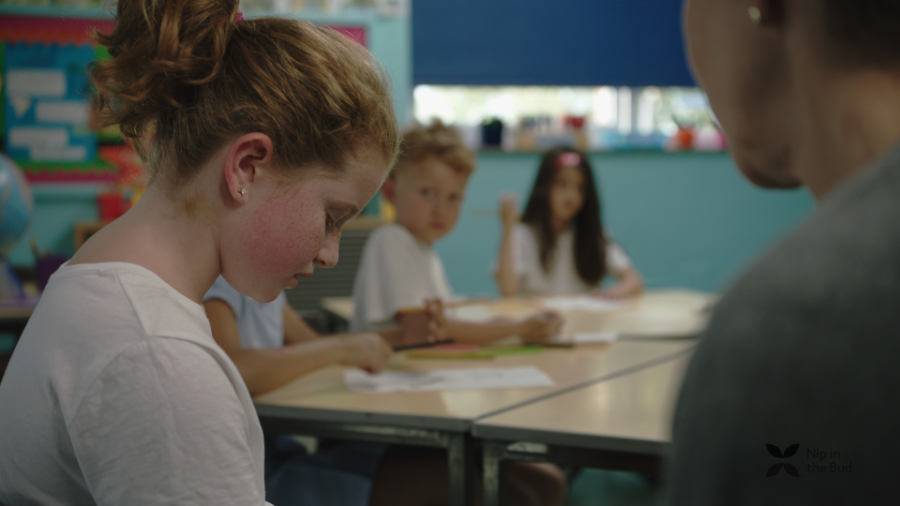
Simply asking a struggling child how they are can matter. Some children won't open up to parents or carers, but will talk to a familiar adult they trust. You are not expected to fix what they tell you. Listening — being genuinely curious — can have a significant impact on its own.
If a child is worried about something they don't need to be worried about, resist the urge to dismiss it quickly. Listen first. Normalise where you can ("a lot of children are finding things harder at the moment") and explore ("tell me more — what's making you feel that way?"). Telling someone not to think something rarely works.
Safeguarding
Your school has its own safeguarding procedures. If a child is in immediate danger, call 999.
Make sure you know who your Safeguarding Lead is, and remind yourself of the school's disclosure procedures. Any concern, however small, should go to your Safeguarding Lead or line manager.
Getting additional support
There is a limit to what any teacher or school staff member can or should provide. Know what the next step looks like — whether that's an on-site mental health worker, an external referral, or a route to CAMHS. What's available will vary by school and local area.
Looking after yourself
You cannot support your pupils well if you are running on empty. Some of you will have had your own difficult experiences — and this work can bring some of that to the surface.
Self-care looks different for different people. For some it's meditation or mindfulness, for others it's exercise, time outdoors, or creative activities. The important thing is to pause and work out what actually helps you — and to make space for it.
Mentally Healthy Schools has practical resources that may be useful.