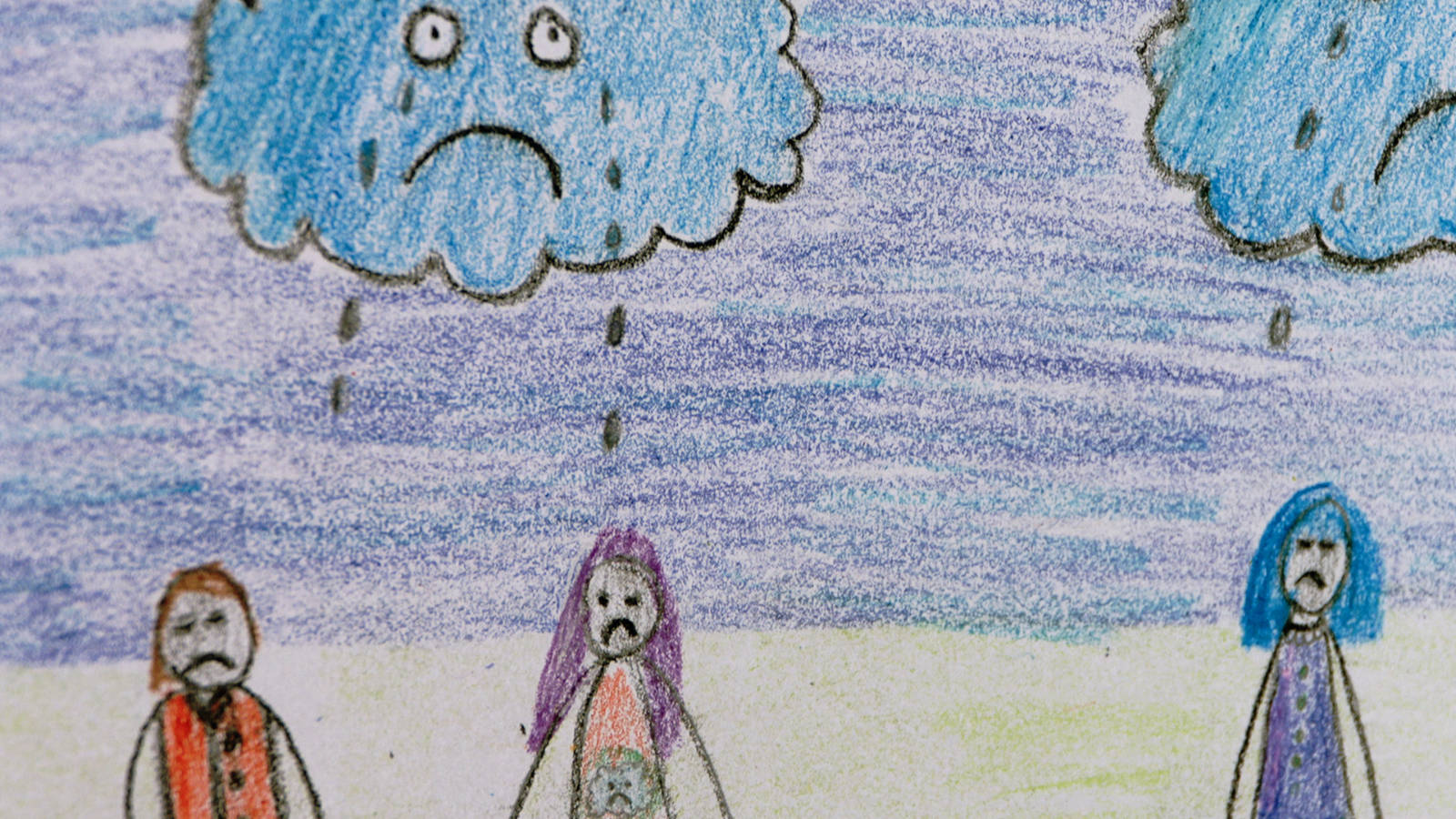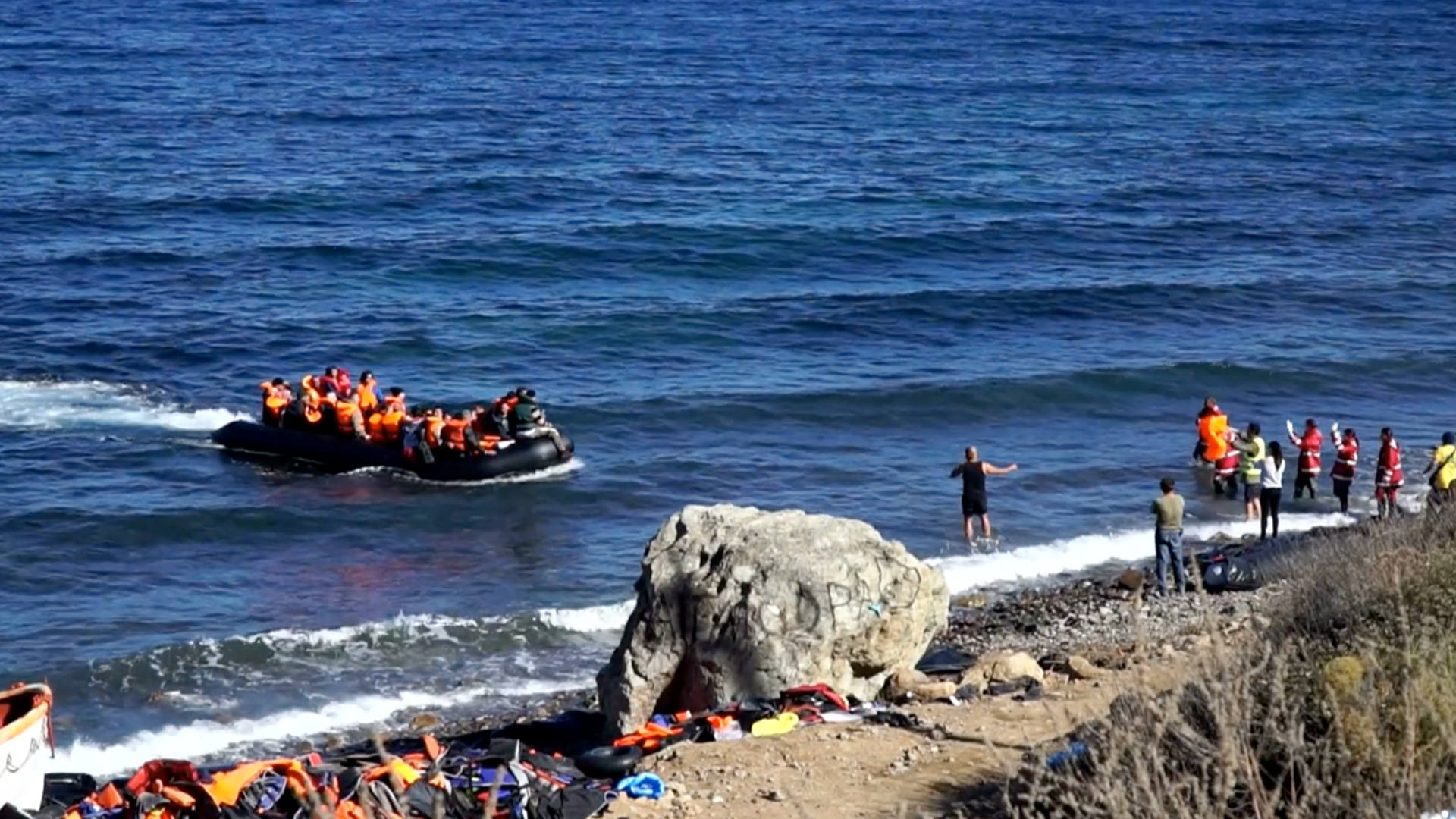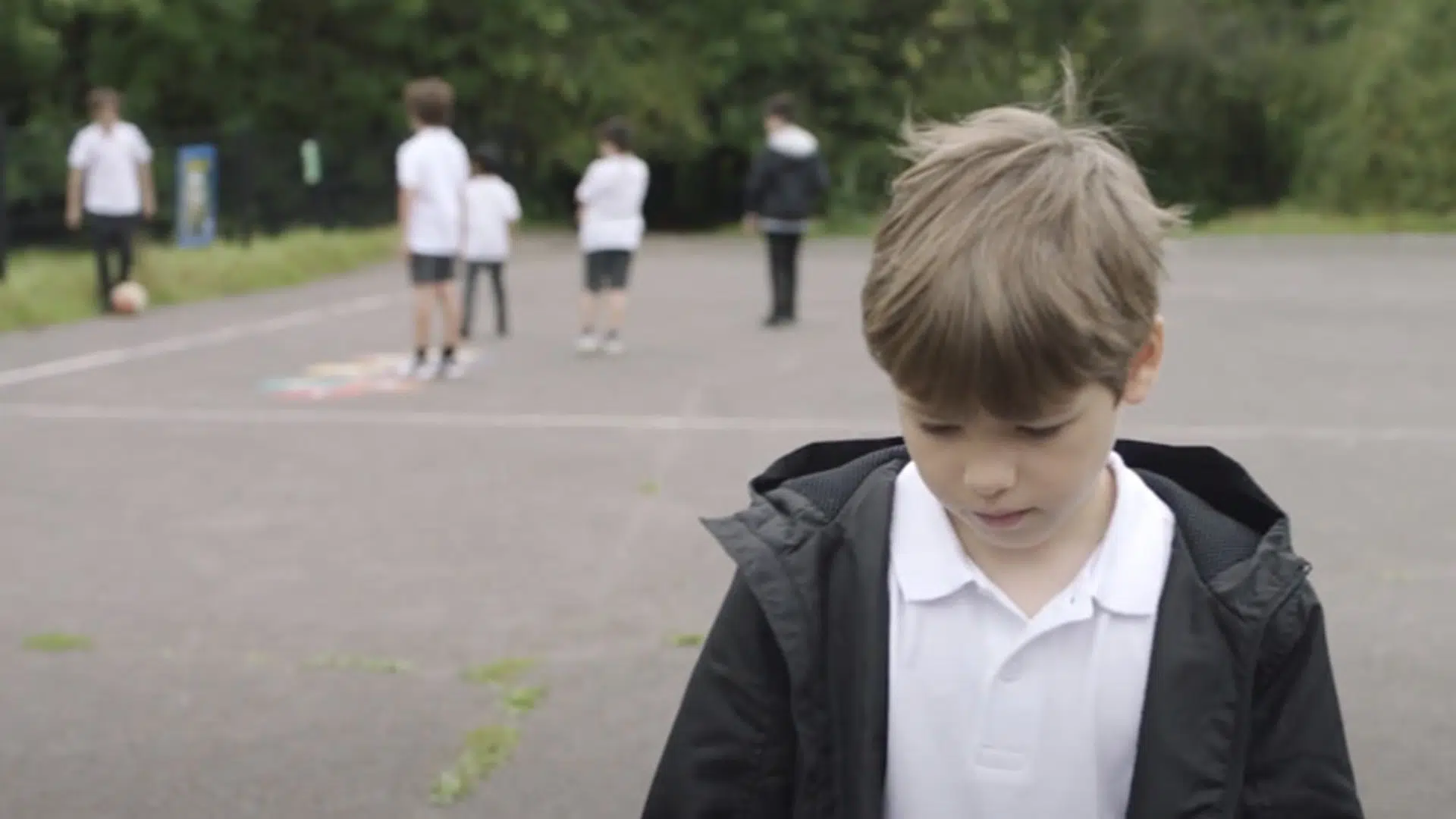


Post-Traumatic Stress Disorder (PTSD) can develop in children and young people following exposure to traumatic events—whether that's abuse, violence, serious accidents, bereavement, natural disasters, or other deeply distressing experiences. Unlike typical stress responses that gradually ease over time, PTSD symptoms persist and can significantly impact a child's ability to learn, form relationships, and feel safe in everyday situations.
Children with PTSD may re-experience their trauma through intrusive memories, nightmares, or flashbacks. They may become hypervigilant, easily startled, or avoid people, places, or activities that remind them of what happened. Some children may seem emotionally numb or detached, while others display anger, anxiety, or regressive behaviours. These responses are the brain's way of trying to protect itself, but without proper support, they can interfere with a child's development and wellbeing.
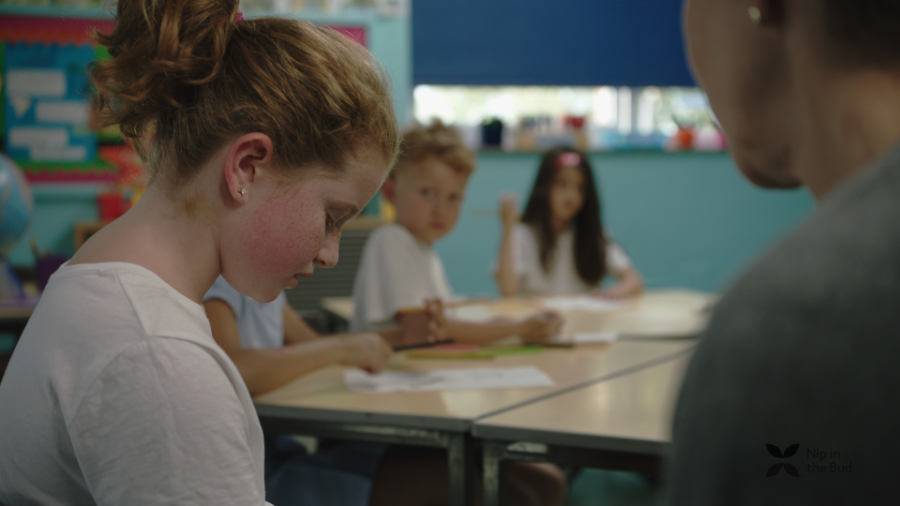
As a teacher, school staff member, or parent, recognizing the signs of PTSD and understanding trauma-informed approaches can make an enormous difference.