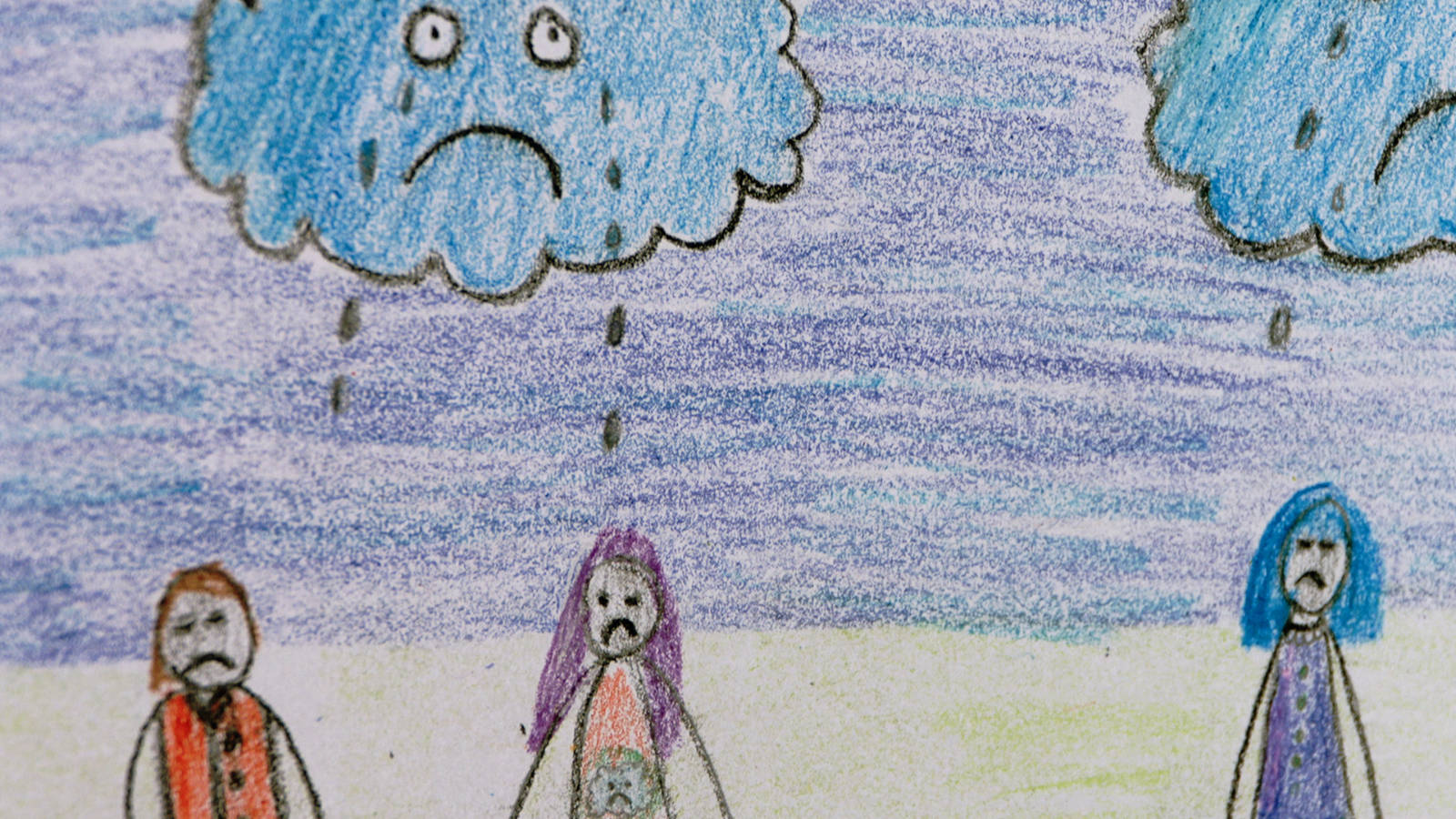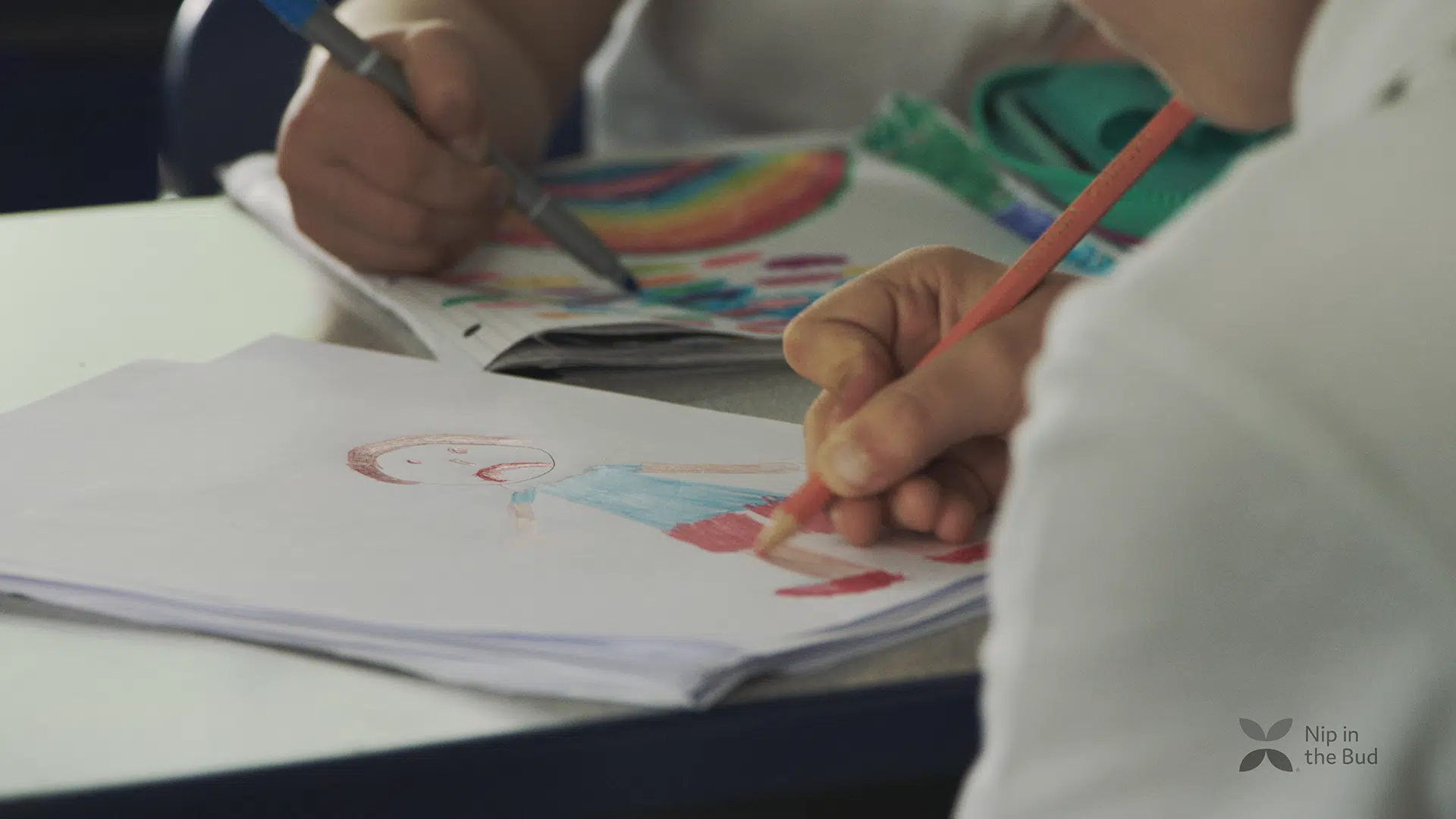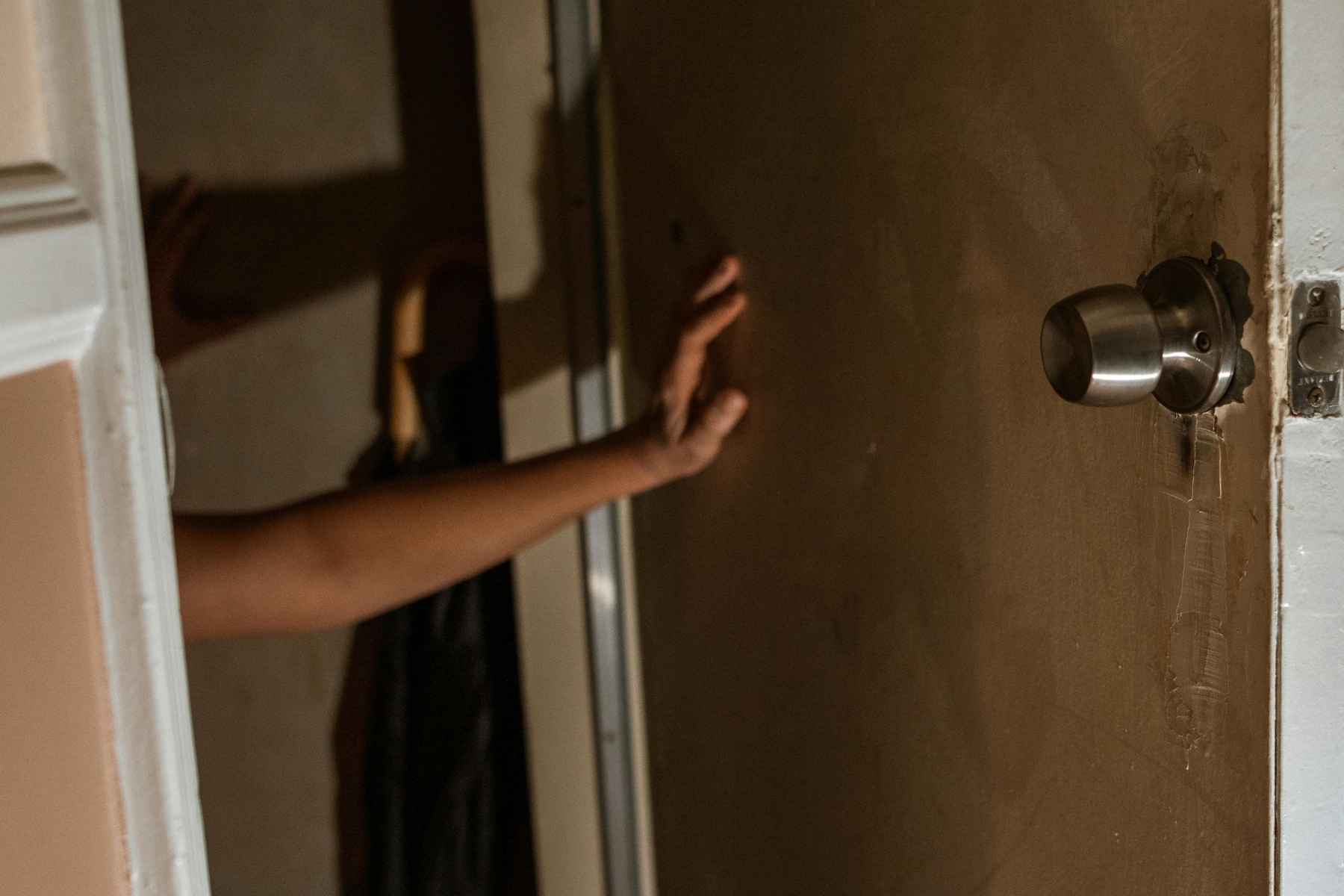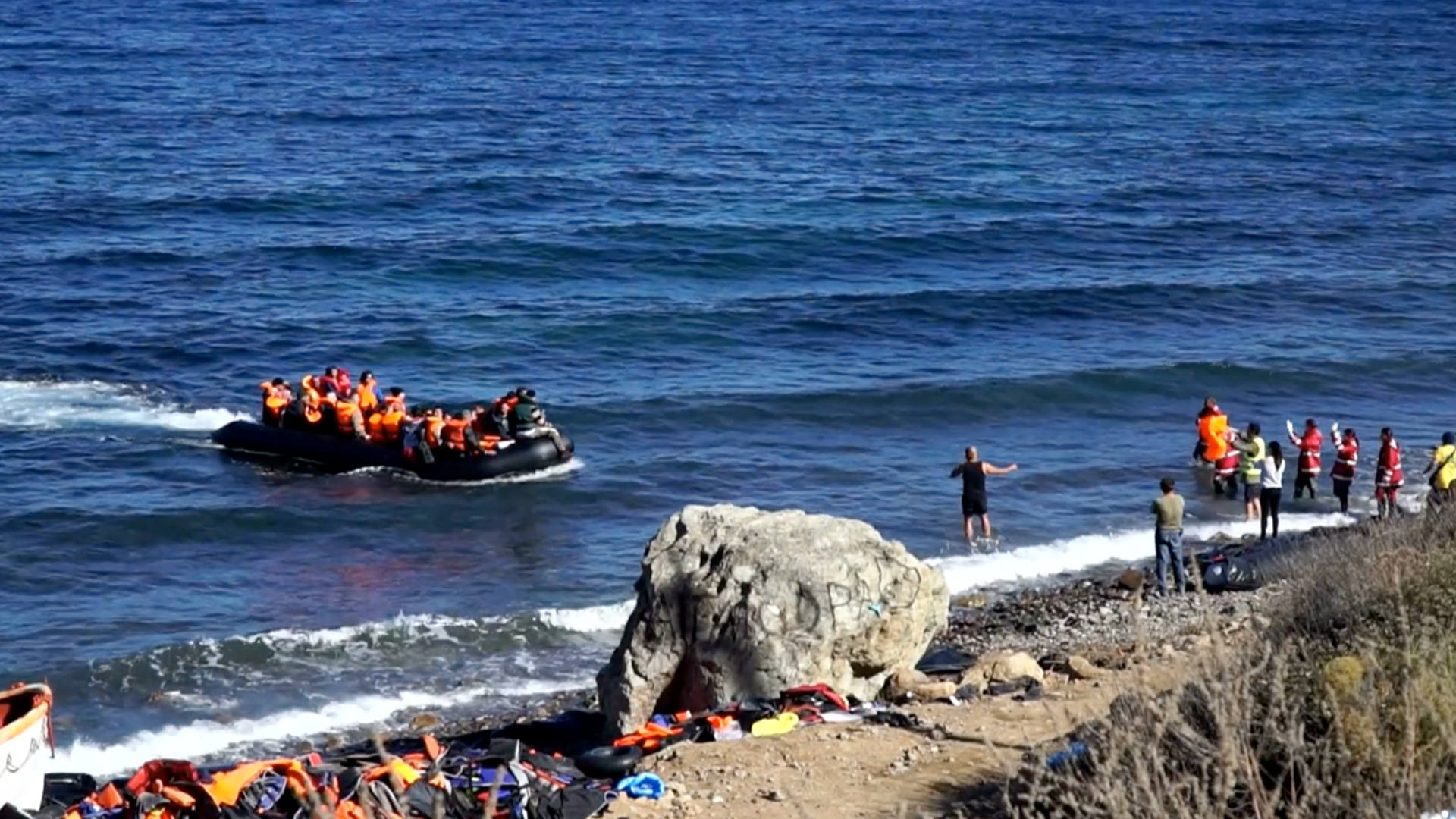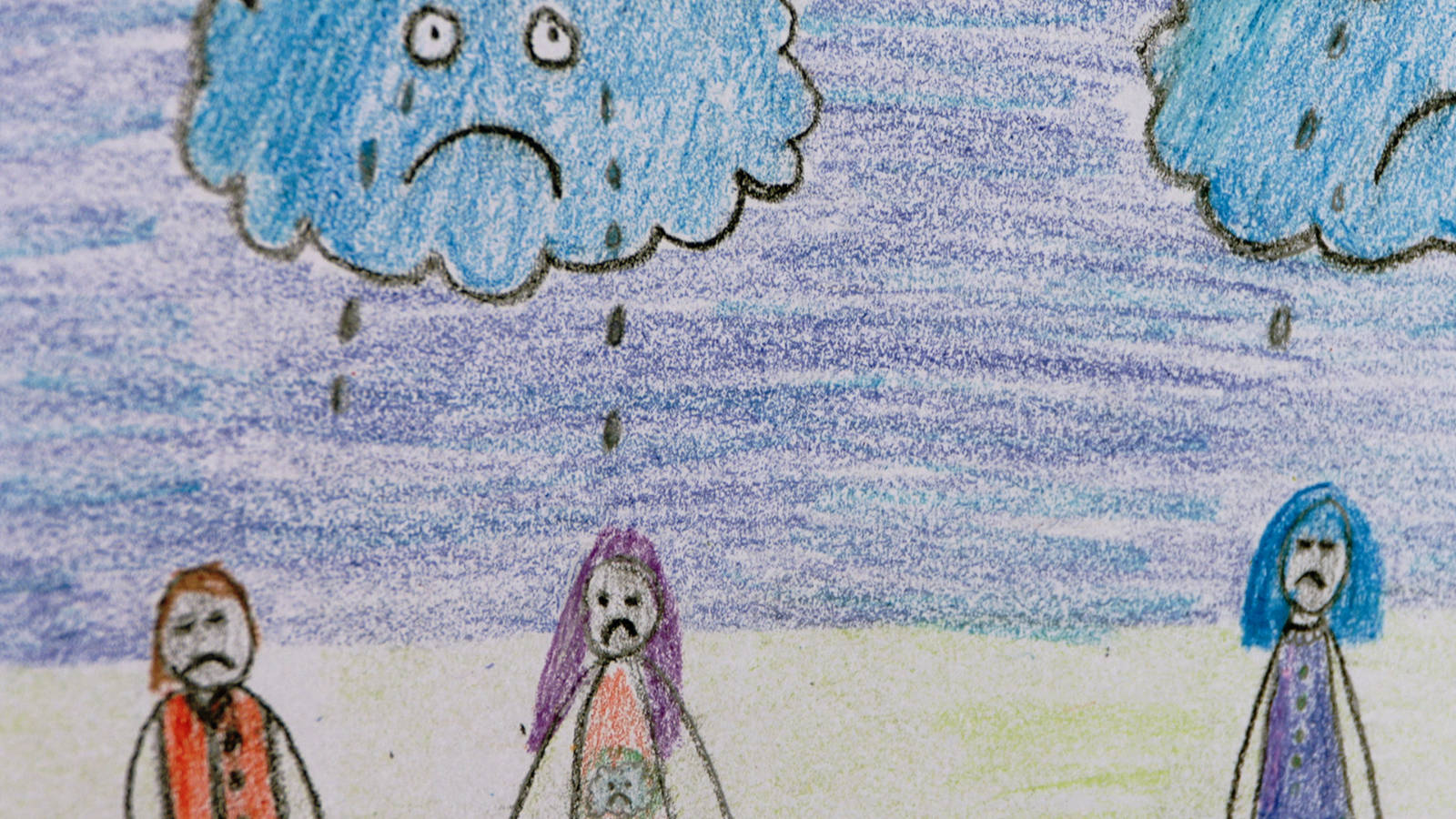


Trauma can affect children in many ways, and not all traumatic experiences lead to diagnosed conditions like PTSD. Children may experience trauma from abuse, neglect, domestic violence, bereavement, accidents, serious illness, family breakdown, or witnessing distressing events. Even experiences that adults might consider minor can be deeply traumatic for a child, depending on their age, circumstances, and available support.
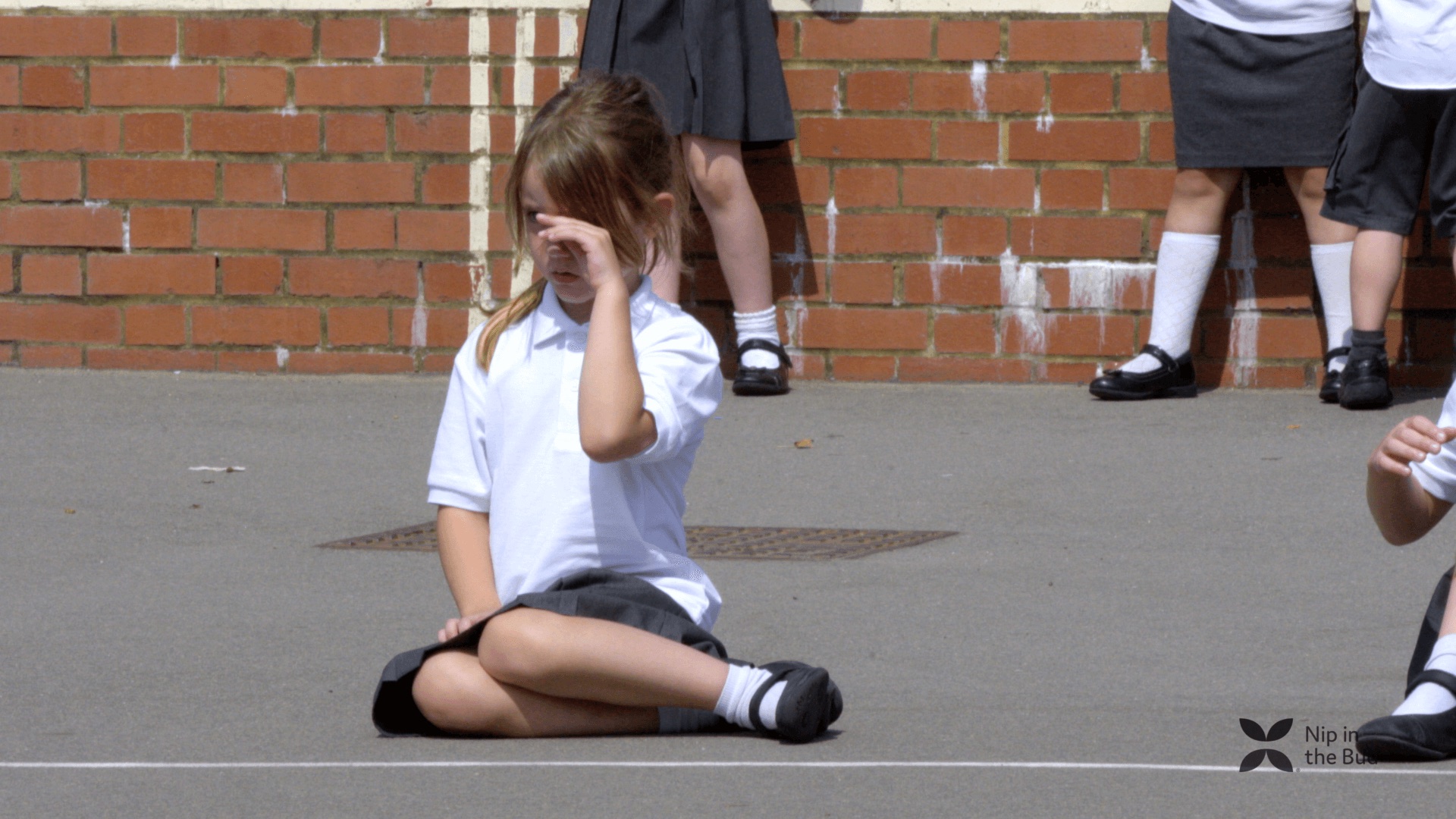
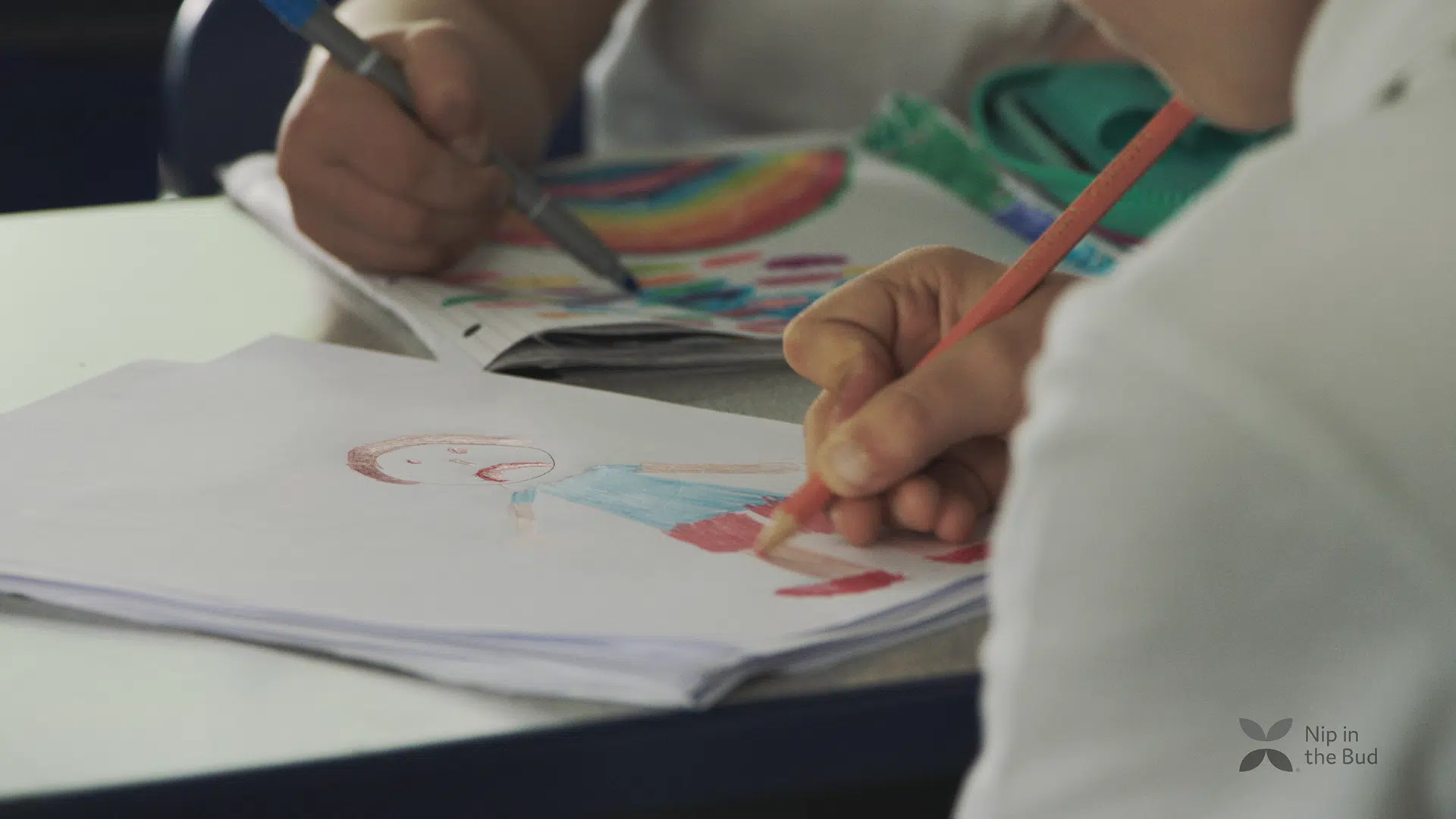
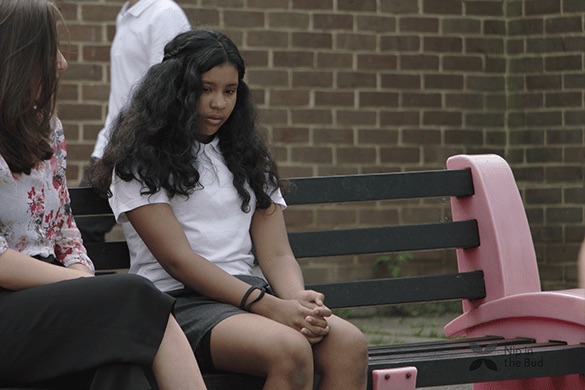
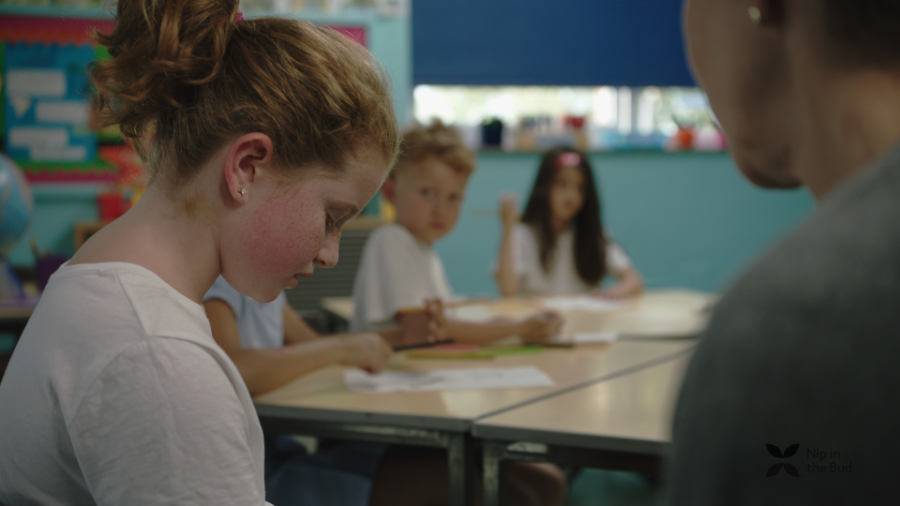
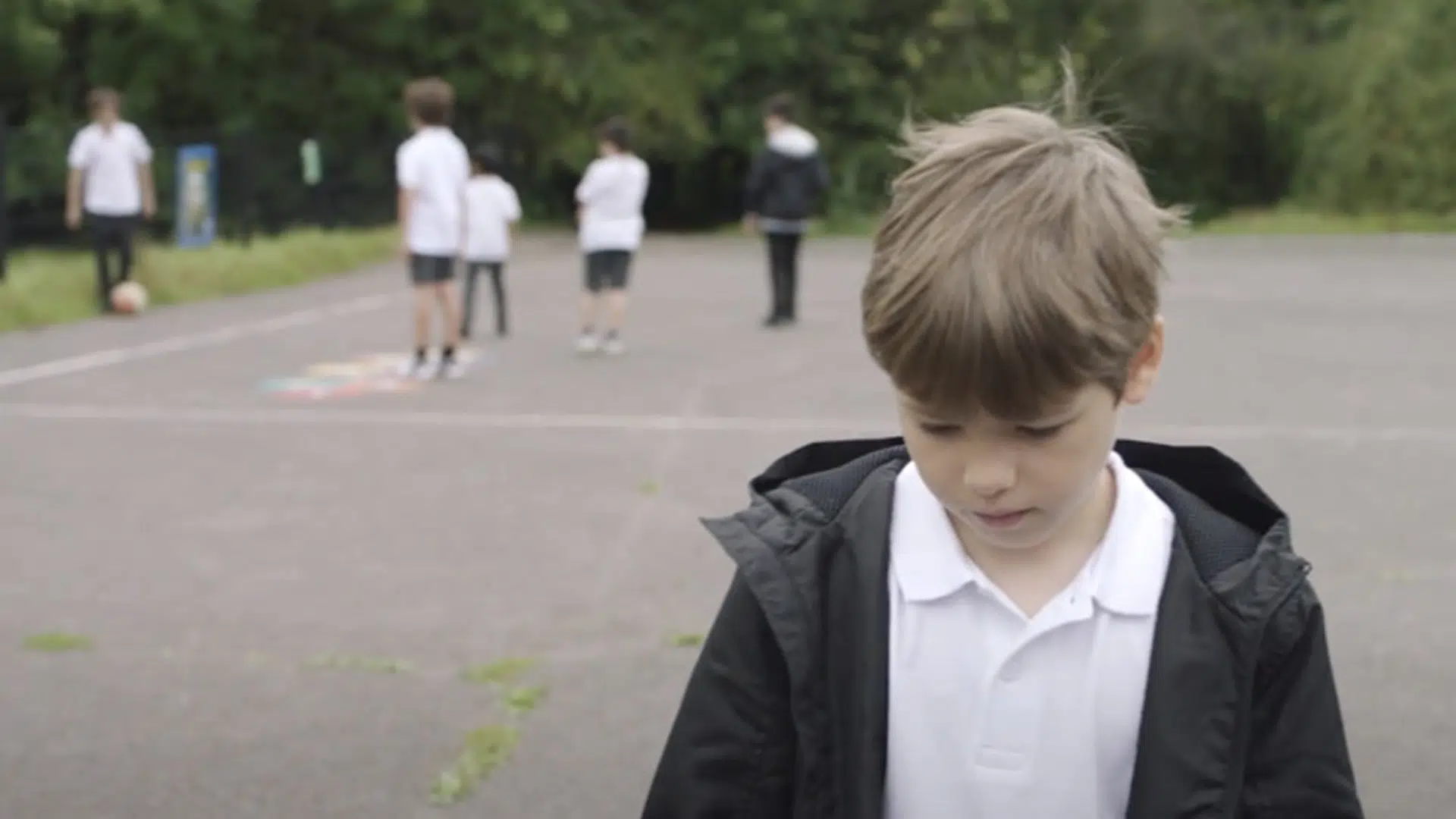
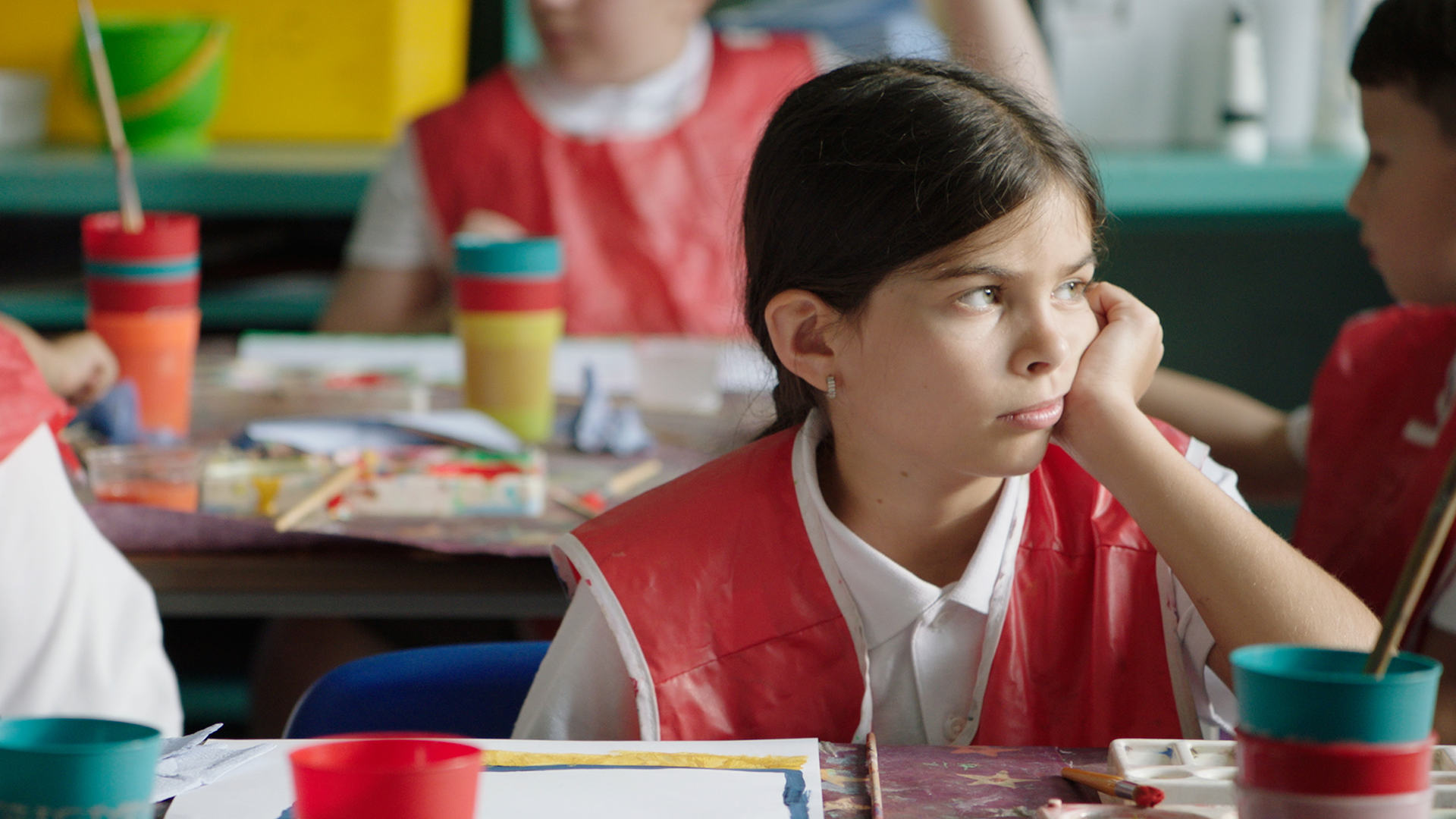
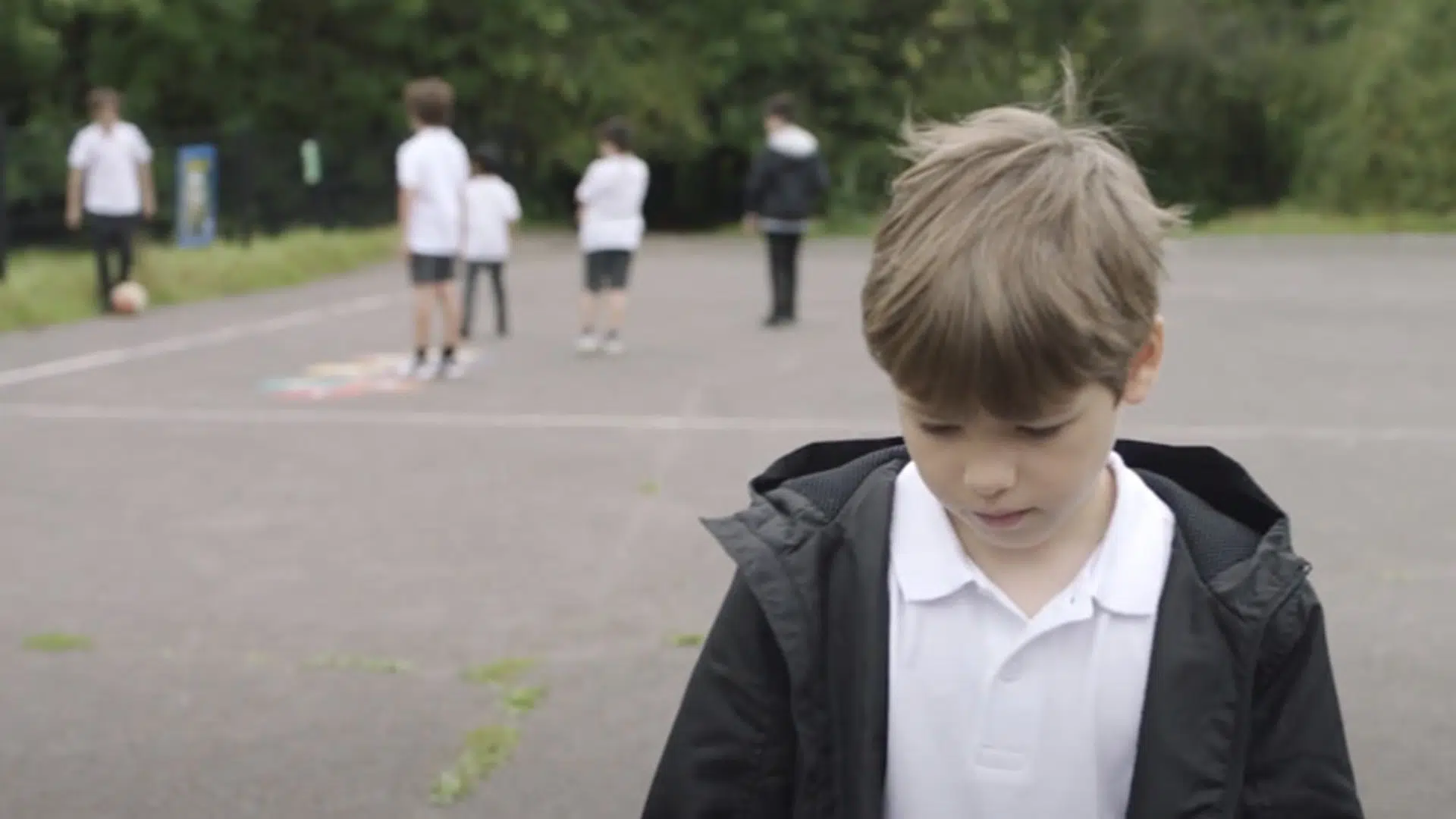
Traumatized children often display behaviours that can be puzzling or challenging in the classroom: difficulties with concentration and memory, heightened emotional reactions, withdrawal or aggressive outbursts, developmental regression, or physical symptoms like stomach aches and headaches. These responses aren't deliberate misbehaviour—they're the child's nervous system trying to cope with overwhelming experiences. Some children may not show obvious signs at all, internalizing their distress in ways that go unnoticed until problems escalate.
This collection of films offers practical guidance for teachers, school staff, and parents on recognizing trauma responses, creating emotionally safe environments, managing challenging behaviours with empathy, and connecting families with appropriate professional support. Whether you're working with a child who has experienced obvious trauma or simply suspect that something might be affecting them, these resources will help you respond with understanding and skill.