Understanding the shift: acute stress vs. chronic stress
It's important to distinguish between a healthy flutter of nerves and a systemic problem where some children end up thwarted in their learning, missing school, feeling inadequate, and no longer enjoying the final year of their primary school journey.
Acute stress is a short-term reaction to a specific event. The heart beats faster before a test paper, then returns to normal. This is expected and can aid focus. It can also prepare a child for the normal stresses and rigours of life, equipping them for their next educational phase and beyond. Short-term stress can build resilience and help a child understand their own strengths — and that they can cope with difficult things.
Simon Sinek offers a powerful perspective on the importance of allowing children to work through difficulties for themselves:
"Resilience is not the ability to avoid hardship, but the ability to thrive despite it. We don't build grit by making things easy; we build it by doing hard things."
Our role as adults isn't to clear every obstacle from a child's path. The SATs should be a 'manageable difficulty.' By providing the right emotional scaffolding, we allow children to experience the friction of a challenge — proving to themselves that they are capable of doing hard things and coming out the other side intact, and even stronger. This is the quiet confidence that comes from thinking: I have been through a challenge before, and I can do it again.
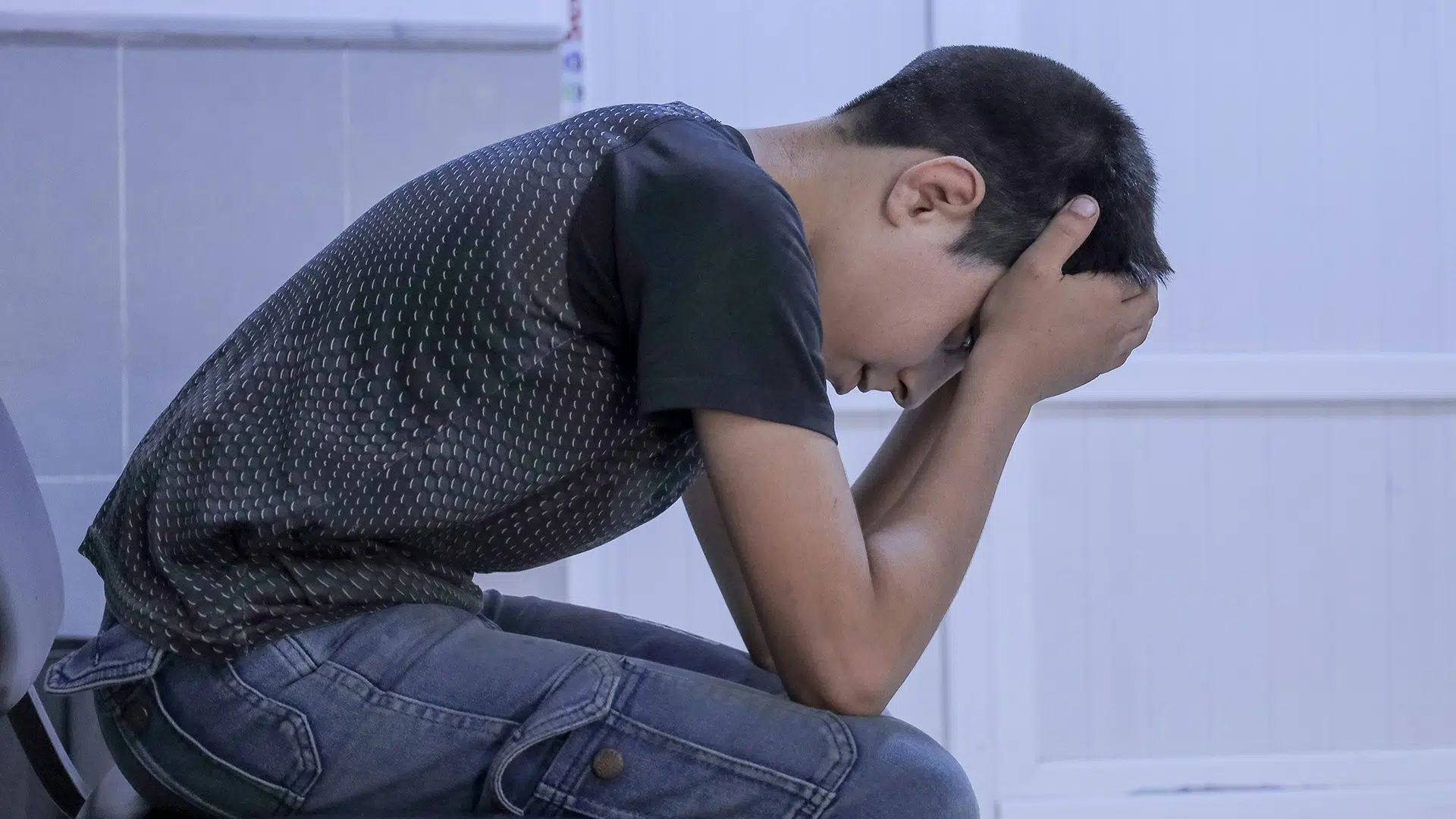
Chronic stress is something different. This is when a child feels under constant threat for weeks or even months — a state of fear often mixed with shame and isolation. The body stays in a fight, flight, flock or freeze state, flooding the brain with cortisol and adrenalin. In this state, a child is not open to learning, remembering, or growth — ironically, at precisely the moment they are expected to demonstrate the culmination of years of learning.
Vulnerability researcher Brené Brown puts it plainly:
"When we are in shame or fear, we are in a state of self-protection. And when we're in self-protection, we're not open to growth. We're in 'lockdown.' You can't learn when you're in lockdown."
For a Year 6 pupil, chronic stress isn't just a heavy feeling — it is a biological wall. When SATs feel like a threat to a child's self-worth, or to their school's reputation, the brain enters a state of self-protection. The prefrontal cortex — the part of the brain used to solve a complex word problem or recall a grammatical rule — effectively goes offline. If we want children to perform at their best, we must first ensure they feel safe enough to keep their learning brain open.
Warning signs for educators and parents
Some children will be able to articulate what they are feeling and what they are afraid of. Meaningful relationships and time to talk can encourage conversations where adults are able to identify anxiety in its early stages. But without a child being able to name their worries — often because they aren't entirely sure of them themselves — the following signs can help us recognise and respond quickly:
- Physical: Recurring stomach aches, headaches, or a sudden change in appetite.
- Emotional: Heightened irritability, tearfulness, or a flat, disengaged mood.
- Behavioural: Regression (such as bedwetting), sleep disturbances, or tendencies toward school refusal.
What schools can do
Schools are under immense pressure to perform, but a child's mental health is the foundation of their academic success — not an obstacle to it. Strategies that can help during SATs week and the build-up to it include:
- De-escalate the language. Avoid phrases like "this will determine your future." Frame SATs as a check-point for the school, not a label for the child.
- The soft start. Consider a Breakfast Club or Celebration Breakfast during SATs week to ensure children have eaten and feel socially connected before the papers begin.
- Brain breaks. Explicitly teach mindfulness, breathing and grounding techniques. A five-minute breathing exercise before a test can lower cortisol enough to unlock the thinking brain.
- Curriculum balance. Keep art, PE and music on the timetable. Stripping back to only English and Maths signals to children that their other talents don't matter.
What parents and carers can do
At home, you can be the emotional thermostat. If you are anxious, your child will notice and reflect that.
- Be their cheerleader. At home they need a parent who values their kindness and creativity over their punctuation. Give them time away from revision to notice their other qualities.
- Use the Power of Yet. Use growth mindset language — "You haven't mastered long division yet" rather than "You're bad at maths." Your child believes what you say about them.
- Protect their sleep. Chronic stress thrives on exhaustion. Establish a 'digital sunset' at least an hour before bed — no screens, just stories, quiet talk or a breathing exercise.
- Normalise failure and setbacks. Share stories of your own mistakes and challenging moments, and how you learned and grew from them. Help your child see that their identity is not linked to their SATs score.
Researcher and child psychologist Dr Carol Dweck offers this advice to parents:
"If parents want to give their children a gift, the best thing they can do is to teach their children to love challenges, be intrigued by mistakes, enjoy effort, and keep on learning."
A message to the children
A test cannot measure bravery, a sense of humour, or what a good friend someone makes. Those are the things that help make a child who they are — and they last far longer than SATs week.
Nip in the Bud encourages any parent or teacher who notices a child struggling significantly to seek early support. By recognising the signs of chronic stress now, we can ensure that a single week in May doesn't cast a long shadow over a child's love of learning.
Our goal as adults should be to keep children in a state of calm alertness and curiosity — to develop them as lifelong learners. The SATs are a task to be completed, not a definition of who a child is now or who they will become. Every child who feels valued for who they are is far more likely to have the cognitive freedom to succeed in what they do.