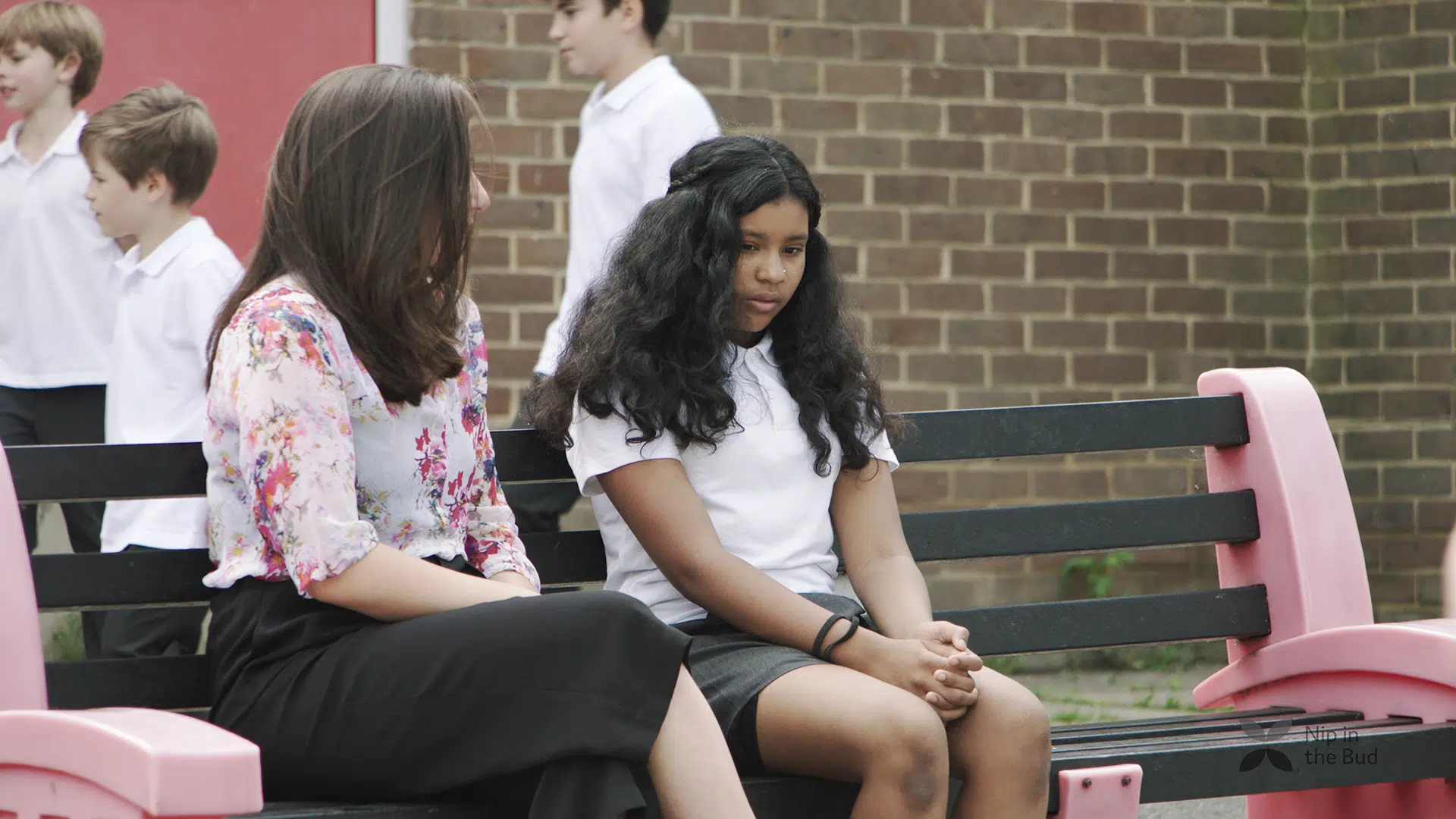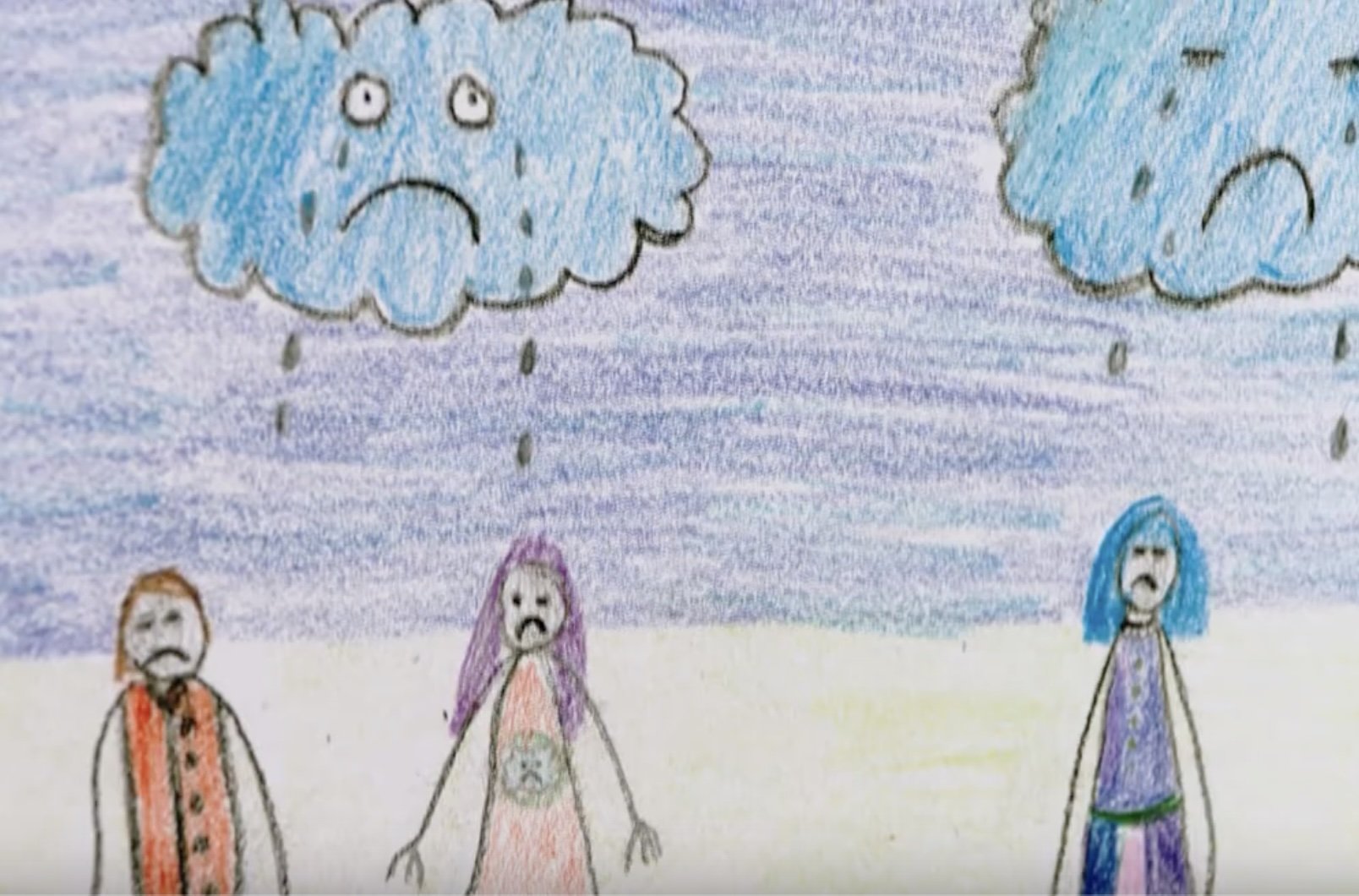
As a parent, teacher or carer, talking to your child about mental health is important - whether or not they have a diagnosed condition. Establishing an open, ongoing and non-judgmental dialogue can help your child understand their own mental health and that of others, and can help end the stigma and misconceptions that often surround it.
Do your research
Before talking to your child about mental health, it helps to do some preparation. Start by reading about common child mental health conditions so you can discuss them without bias or judgement. It's also worth watching films about mental health or seeking out real-life accounts from young people with lived experience - this can help build a realistic and accurate picture of how these conditions affect children.
Be sensitive
If your child has a particular mental health condition, or you're concerned about certain behaviours, sensitivity is key. Some children may feel upset to learn about their diagnosis; others may be reluctant to accept it or deny that they experience any symptoms. Try to avoid getting angry or frustrated, and follow the child's lead.
Look after your own mental health
If you have a mental health condition yourself, getting support to manage it is important. If you've never really thought about or discussed your own mental health, talking to a child about theirs can feel particularly challenging. Speaking openly about your own experiences sets a good example and may encourage your child to speak more freely about their own feelings and concerns.
Did you know?
Around one in ten children aged between five and sixteen are diagnosed with a mental health problem every year, and approximately 75% of mental illnesses are thought to start before the age of 25. Without early support, the consequences for a young person, their family and their community can be significant.
By creating an open, ongoing dialogue, we can encourage children to develop a healthy and informed view of mental health. You can use our website to learn about common conditions, download free fact sheets, and watch short films from both clinicians and young people with lived experience. Start here: Where to get help.