Bullying of Neurodivergent children
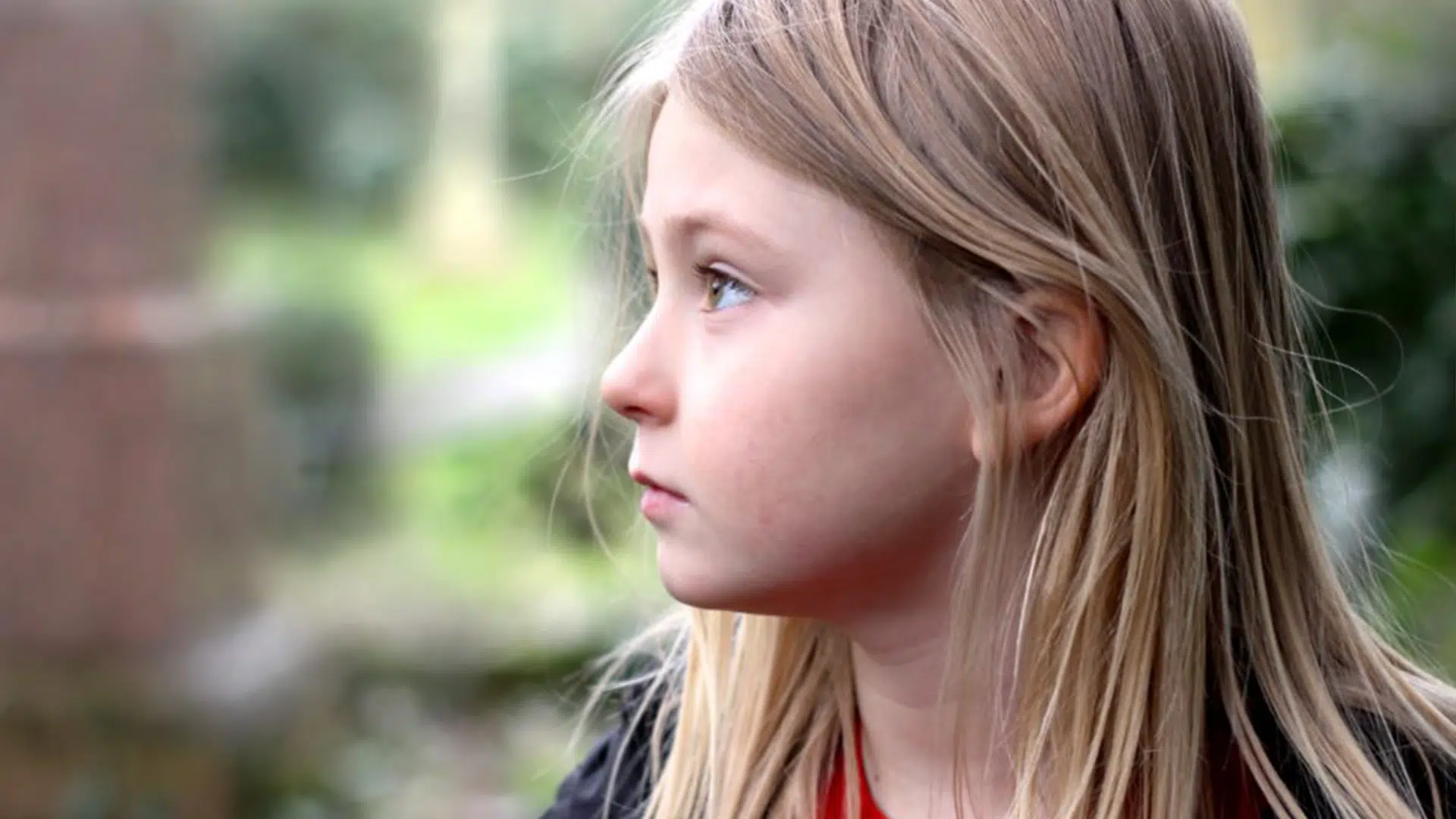
Bullying remains a pervasive issue in schools, for all children, including neurodivergent children who are often more vulnerable to peer on peer victimisation. Bullying can have profound and lasting effects on a child’s emotional and psychological well-being. Children who experience bullying often face feelings of fear, anxiety, and isolation, which can undermine their sense of safety and belonging both at school and beyond.
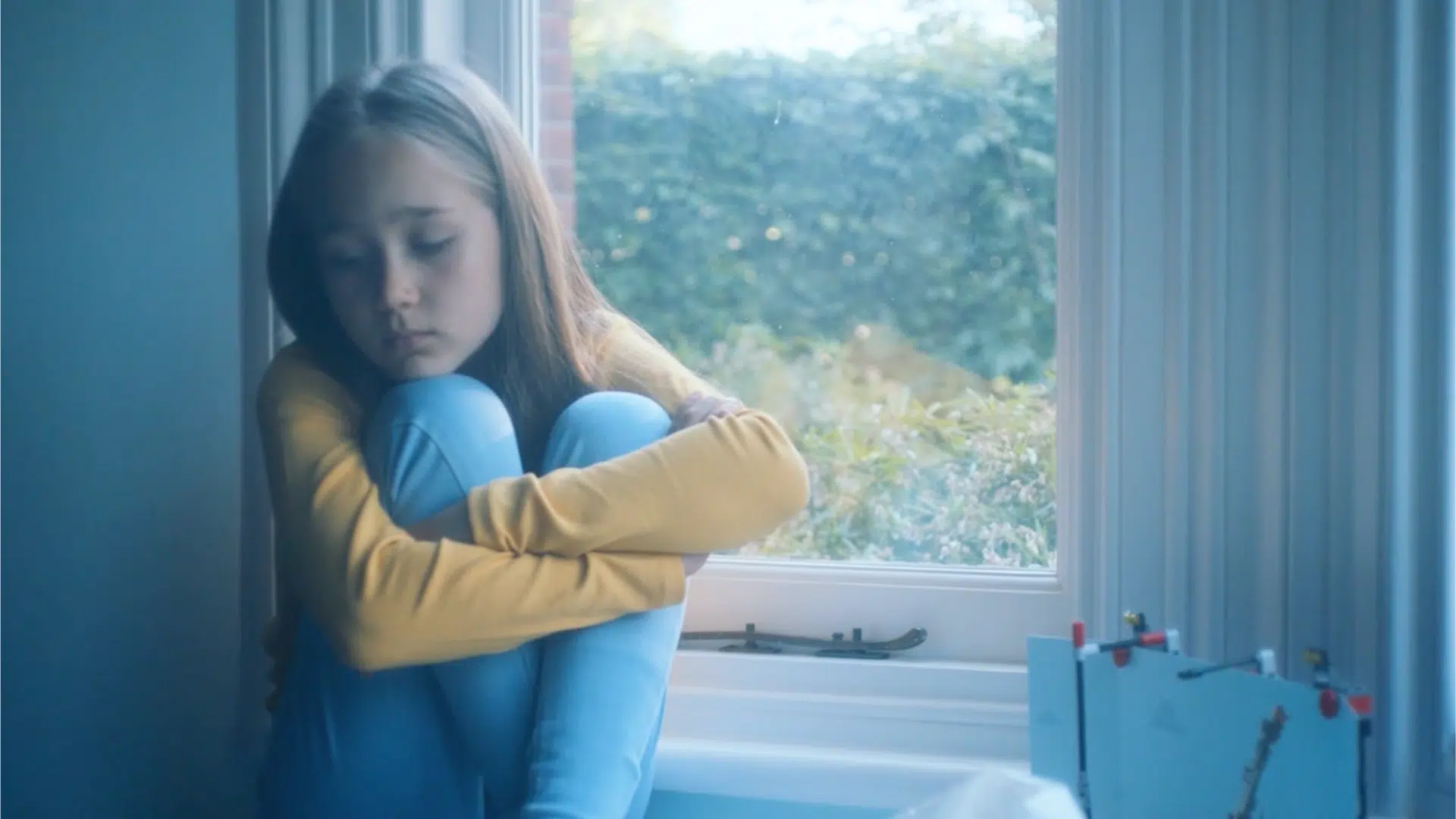
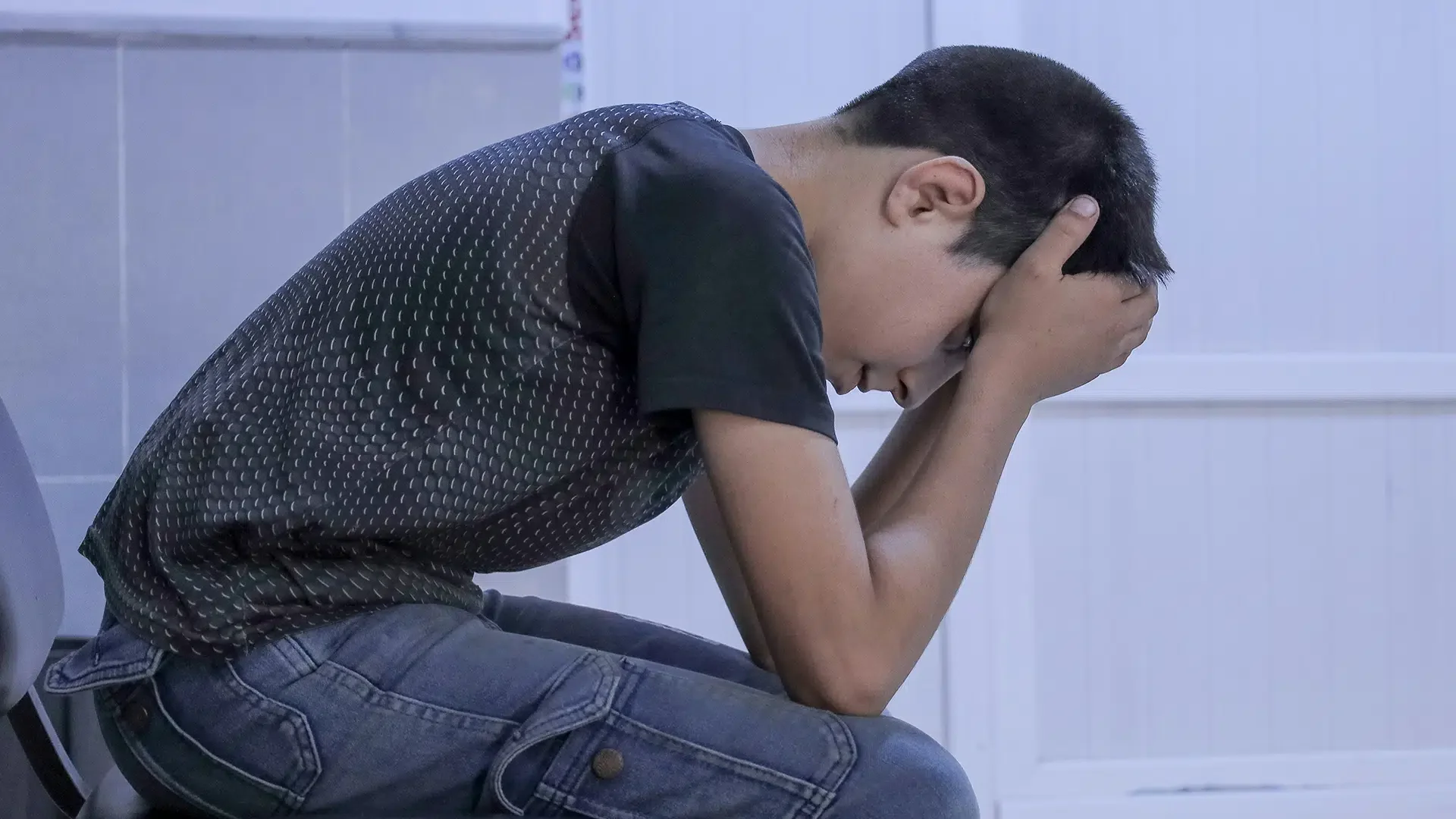
It is important to note that for neurodivergent children, such as those with Autism Spectrum Disorder (ASD), bullying may be even more damaging because they might find it harder to communicate their distress or seek help. For all children, the constant stress of being targeted can lead to them being in a never ending state of fight, flight, fawn or freeze. This builds chronic levels of adrenaline and cortisol which impacts on the way a child feels about themselves and the world around them. Low self-esteem, withdrawal from social interactions, and increased vulnerability to mental health challenges like depression and anxiety can all be symptomatic of being a victim of bullying.
In addition to this, the impact of bullying extends beyond immediate emotional harm; it can disrupt a child’s academic progress and overall development. When a child feels unsafe or unsupported, their ability to focus, learn, and engage in school activities diminishes significantly. In some cases, children may begin to refuse to attend school altogether. In a heartfelt episode of the Nip in the Bud podcast, I speak with Scott Mair, who is a father of seven boys—four diagnosed with Autism Spectrum Disorder (ASD) and one with dyslexia. He shares his family’s painful journey with bullying and their experience of the shortcomings of the school system in providing adequate support.
Schools must be safe spaces
Scott highlights the crucial need for schools to create safe, inclusive environments and to provide empathetic, tailored support to all victims of bullying. Without timely and appropriate intervention, bullying can affect a child’s confidence, relationships, and future opportunities well into adulthood. Scott reveals the devastating effects bullying had on his eldest son. He describes how the school’s response only compounded the trauma he felt, rather than alleviating it:
“We went to CAMHS. We were referred to them not because he was struggling, but because they didn’t know what to do with my son, because of the bullying and how he was. They label them ‘school refusers’. Which I think is a really unfair term. He was being bullied and traumatised and had severe issues with mental health. It wasn’t just refusing to go to school but that’s what it was labelled as. When he was trying to engage he was put into isolation—so he was punished for being a victim.”
Their story illustrates a failure to understand the complex realities faced by children who are bullied. His son felt unsupported and vulnerable, he was left with no safe haven to get away from the bullying situation in school that was not being dealt with adequately. The story Scott shares with us so eloquently, highlights the need for schools to continue to develop a more empathetic, effective approach to bullying.
What should schools do to prevent bullying and support victims?
Scott stresses the importance of embedding comprehensive anti-bullying policies that go beyond surface-level measures. He advocates for:
- Robust staff training: Staff must be trained to recognise all forms of bullying, including subtle or covert types that may disproportionately affect vulnerable children. This includes understanding the particular challenges faced by children with ASD or other SEND.
- Clear reporting and intervention systems: Schools need straightforward, confidential reporting channels and must act swiftly and consistently when bullying is reported, with a trauma informed approach.
- A culture of empathy and respect: Creating an environment where diversity is celebrated, and empathy is actively promoted reduces bullying incidents and fosters inclusion. A ‘no outsiders’ here approach where everyone feels a sense of belonging. For more about celebrating diversity and ideas for activities, listen to our podcast with Lauren Whittaker Celebrating diversity.
- Involvement of victims and families: Victims and their families must be fully involved in developing tailored support plans, ensuring their voices are heard; and their needs are understood and met.
These recommendations align closely with the latest OFSTED Education Inspection Framework 2025, which places a strong emphasis on safeguarding and pupil welfare:
“This is so that pupils who need help and protection receive high-quality support.”
Key information from the framework includes the following:
- Personal Development: Schools should actively promote pupils’ personal development by ensuring they feel safe, respected, and supported.
- Behaviour and Attitudes: Inspectors will evaluate how schools prevent bullying and discrimination, and how effectively they support pupils’ well-being and mental health.
- Leadership and Management: Leaders must demonstrate a commitment to safeguarding and promote a culture where bullying is not tolerated.
In addition, schools need to adhere to the SEND code of practice (2015), which clarifies:
- Early Identification and support: Schools should identify SEND early and make effective provision to prevent exclusion or bullying.
- Child-centred planning: Support plans should be co-produced with children and families, reflecting individual needs.
- Creating inclusive environments: Schools have a duty to make reasonable adjustments to create accessible and inclusive settings for all pupils.
Scott’s story powerfully underscores the gap that his son experienced between policy at the time, and the practice that they felt was flawed. His call now for genuine empathy, understanding, and victim-centred responses is critical for improving the school experience of all children.
For a comprehensive look at how Scott’s family chose homeschooling as a response to these challenges, and how it impacted their mental health and education journey, please see my companion article on homeschooling. Both articles draw from the same Nip in the Bud podcast episode with Scott Mair, where he shares his family’s homeschooling story in his own words.
Useful further reading
To explore the official OFSTED Education Inspection Framework 2025 and its expectations for safeguarding, behaviour, and SEND support, visit: Education inspection framework (EIF) – GOV.UK
For comprehensive guidance on supporting children with special educational needs and disabilities, including bullying prevention and personalised support, see the UK SEND Code of Practice: SEND code of practice: 0 to 25 years – GOV.UK