As we enter our fourth week of lockdown in the UK, managing children's anxiety about Coronavirus is more important than ever. Anxiety disorders are one of the most common mental health problems identified in children, with estimates of lifetime prevalence by age 18 ranging from 8% to 27%.
Chronic anxiety disorders are associated with an increased risk of other serious mental health problems in later life.
Understanding children's anxiety about Coronavirus
Fears and worries are a normal part of child development, and the content of those fears changes according to a child's developmental stage. Anxiety disorders occur when the intensity of the fear or worry becomes so high that it starts to impact on the child's functioning and wellbeing.
The Coronavirus outbreak and subsequent lockdown — including the closure of schools, shops and restaurants — has affected us all. As adults, we may be managing our own anxieties related to the pandemic. Children may not have the understanding, context or tools to express their feelings and fears about the situation. It's important that we, as adults, are equipped to listen, understand, empathise and reassure children if we spot any signs of anxiety or distress.
Symptoms of children's anxiety about Coronavirus
- Physiological symptoms: heart beating faster, sweating, shortness of breath, muscle tension, shakiness, nausea, headaches.
- Avoidance: reluctance to engage in home-schooling activities or join video chats with peers may indicate difficulty adjusting to changes in routine.
- Safety behaviours: developing rigid routines, seeking constant reassurance from parents or caregivers, or needing to keep certain items with them at all times.
- Tantrums and behavioural outbursts: these may be frequent, severe, and appear out of proportion to the situation. The child may find it difficult to name what is making them angry or distressed, and may direct aggression towards primary caregivers.
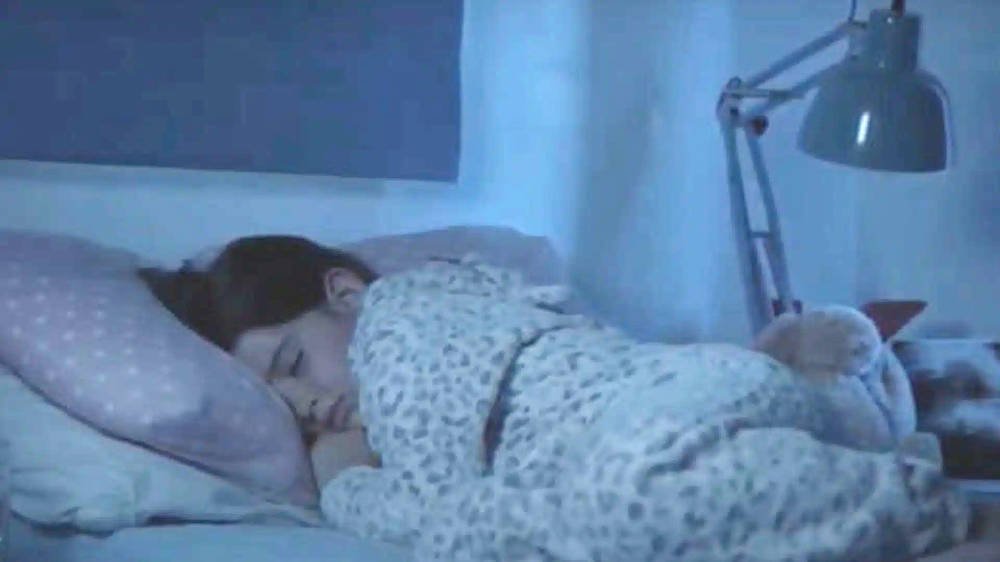
- Problems with sleep, including nightmares: bedtime is often when children have fewer distractions from their worries. They may wake in the night or ask to sleep with the light on or in a parent's room.
- Separation from adults: children may become clingy and reluctant to separate from caregivers they perceive as able to keep them safe.
- Physical complaints: children may confuse the physiological symptoms of anxiety — such as stomach aches — with signs of illness, sometimes developing a fear of being sick.
Seeking help for children's anxiety about Coronavirus
You may not need to refer immediately to a healthcare professional if the anxiety is mild. Keep an eye on the child and offer support, reassurance and comfort. If symptoms persist or worsen, contact your GP to discuss whether a referral to a mental health professional would be beneficial.
Resources for children's anxiety about Coronavirus
- Introduction to anxiety disorder — a video providing information about anxiety in children, including causes, symptoms and treatment options.
- Real-life accounts — young people discuss their own experiences of anxiety and explain how it has affected their daily lives.
- Coronavirus: a book for children — a free digital book for primary school age children, illustrated by Axel Scheffler (illustrator of The Gruffalo). Can be read on screen or printed out.
- Covibook — a PDF factsheet book created by Manuela Molina to support and reassure children under 7 about Covid-19. An invitation for families to discuss the full range of emotions arising from the situation. Download it below.