A Practical Guide for Primary School-age children
Recognising the signs of bullying early is crucial for protecting your child's wellbeing, or a pupil in your classroom. Children, especially those of primary school age, may not always have the vocabulary to describe what's happening to them. This guide will help you identify the warning signs and know when to take action.
How Primary-Age Children Communicate About Bullying
Instead of saying "I'm being bullied," younger children might say "nobody likes me," "school is boring," or simply refuse to talk about their day. It's important to recognise that younger children often show distress through behaviour changes rather than explicit reporting. Primary-age children may not understand what bullying is or have the words to name their experience. They might express their distress indirectly through statements like "my tummy hurts" every school morning, sudden clinginess, or acting out the bullying through play.
Parents, teachers, and carers need to look beyond what children say and pay attention to changes in their typical behaviour patterns.
Physical Signs of Bullying
Watch for these physical indicators that may suggest your child is being bullied:
- Unexplained bruises, scratches, cuts, or injuries
- Torn, damaged, or missing clothing
- Damaged or "lost" school belongings, books, or electronics
- Frequent headaches or stomach aches, particularly before school
- Changes in eating patterns, not eating packed lunches, or coming home very hungry
- Bedwetting or nightmares
- Self-harm behaviours or unexplained marks
Behavioural Changes That May Indicate Bullying
Children who are being bullied often show changes in their usual behaviour:
- Reluctance or outright refusal to go to school
- Wanting to be driven to school when they previously walked, or taking unusual routes
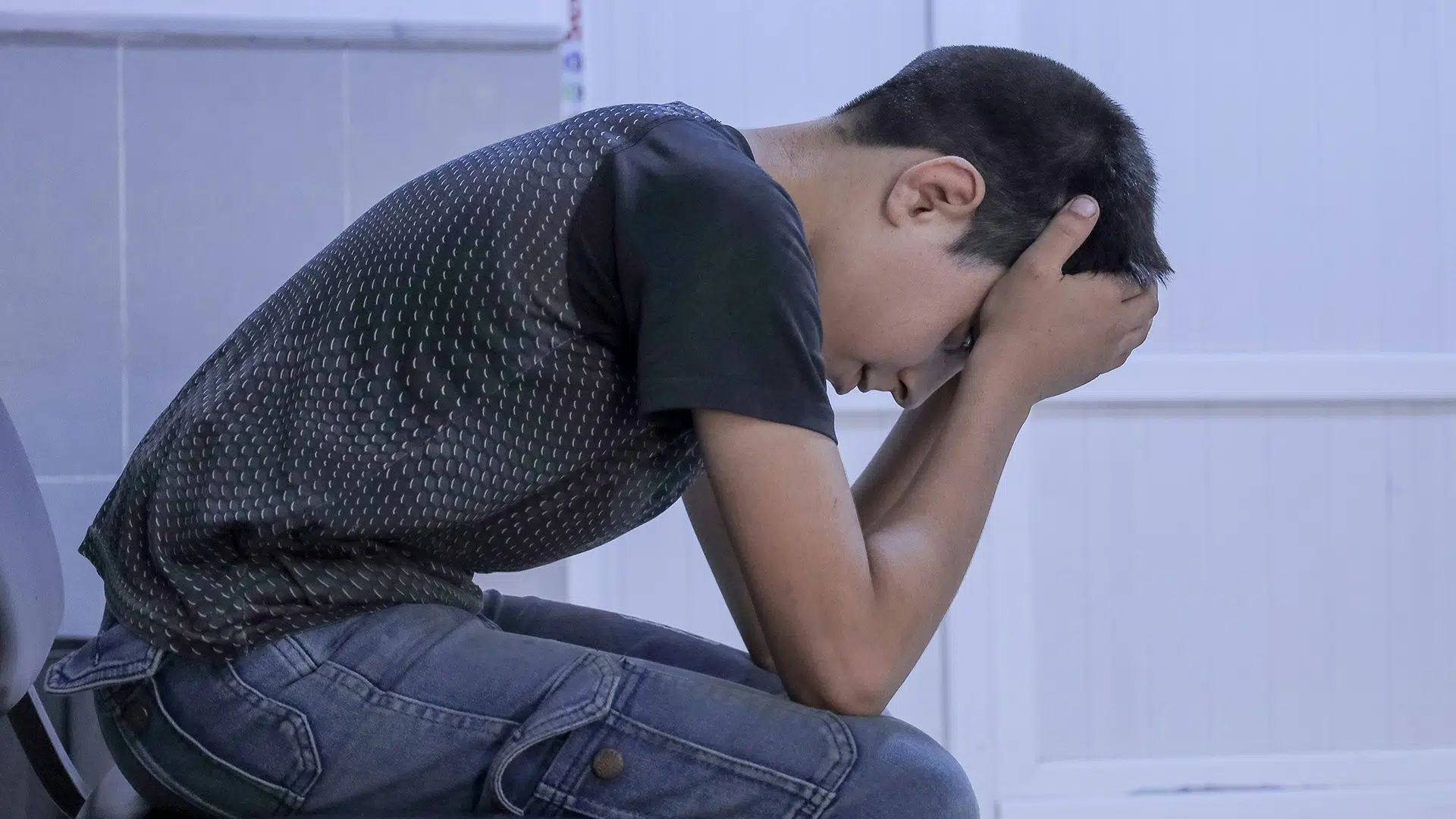
- Becoming unusually withdrawn, quiet, or tearful
- Sudden drop in academic performance or loss of interest in schoolwork
- Asking for extra money or stealing money (which may be going to bullies)
- Coming home hungry because lunch or lunch money has been taken
- Regressive behaviours such as thumb-sucking or baby talk (particularly in younger children)
- Becoming aggressive toward siblings or pets, potentially mirroring bullying behaviour
- Playing out aggressive or bullying scenarios with toys
Emotional and Social Warning Signs
Look out for these emotional and social changes:
- Appearing anxious, lacking confidence, or showing low self-esteem
- Avoiding discussions about school or their day
- No longer receiving friendship invitations or party invites
- Sudden changes in friendship groups
- Spending break times or lunch alone, or avoiding the playground
- Changes in social media activity or reluctance to use devices (for older primary children)
- Drawing violent, sad, or concerning pictures
- Clinging to adults or showing separation anxiety
- Changes in their appearance
For Parents and Carers: What to Look For at Home
Creating space for disclosure:
- Ask specific questions about break times, lunch, and friendships (not just "how was school?")
- Notice changes in evening and morning routines (reluctance to prepare for school, difficulty sleeping)
- Pay attention to what your child doesn't say – avoided topics or quick subject changes
- Watch their emotional state on Sunday evenings or Monday mornings
- Observe their play – are they acting out scenarios involving exclusion, aggression, or power dynamics?
Physical and practical signs at home:
- Coming home with damaged belongings or "losing" items frequently
- Needing money more often or having money/snacks go missing
- Taking unusual routes home or asking to be picked up when they used to walk
- Arriving home hungry (lunch taken or not eaten due to stress)
- Complaints of feeling unwell on school mornings
- Reluctance to attend birthday parties or school events
Behavioural changes at home:
- Withdrawal from family activities
- Aggressive outbursts toward siblings (potentially mirroring bullying)
- Regression to younger behaviours
- Nightmares or difficulty sleeping
- Changes in appetite
- Tearfulness or emotional outbursts over minor things
For Teachers: Spotting Bullying in the Classroom and Playground
As a teacher, you're often in the best position to notice subtle changes in behaviour and social dynamics.
In the classroom:
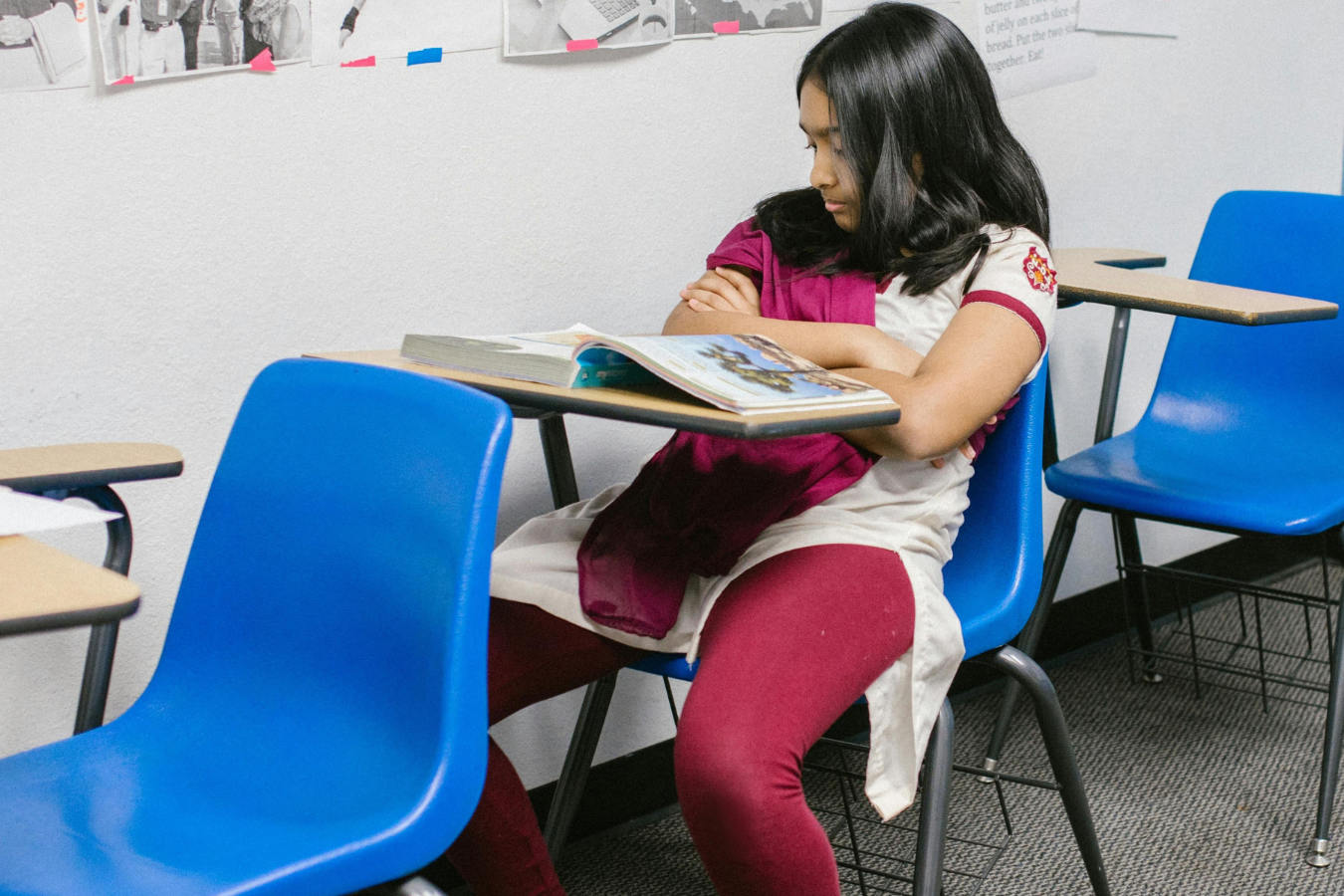
- Notice who sits alone, who's excluded from group work, or who always picks partners last
- Watch for children who seem anxious before unstructured times (break, lunch, PE)
- Observe changes in academic engagement or sudden drops in quality of work
- Pay attention to who children avoid or seem afraid of
- Listen for put-downs disguised as "jokes" or "banter"
In the playground:
- Monitor who plays alone repeatedly or wanders aimlessly
- Notice hierarchies forming in friendship groups
- Watch for physical aggression, exclusion from games, or children being laughed at
- Identify children who regularly come in from break looking upset or dishevelled
- Be alert to "accidental" bumping, pushing, or damage to belongings
During transitions:
- Observe who children avoid walking near or sitting next to
- Notice who rushes to be first or last in line (avoiding certain peers)
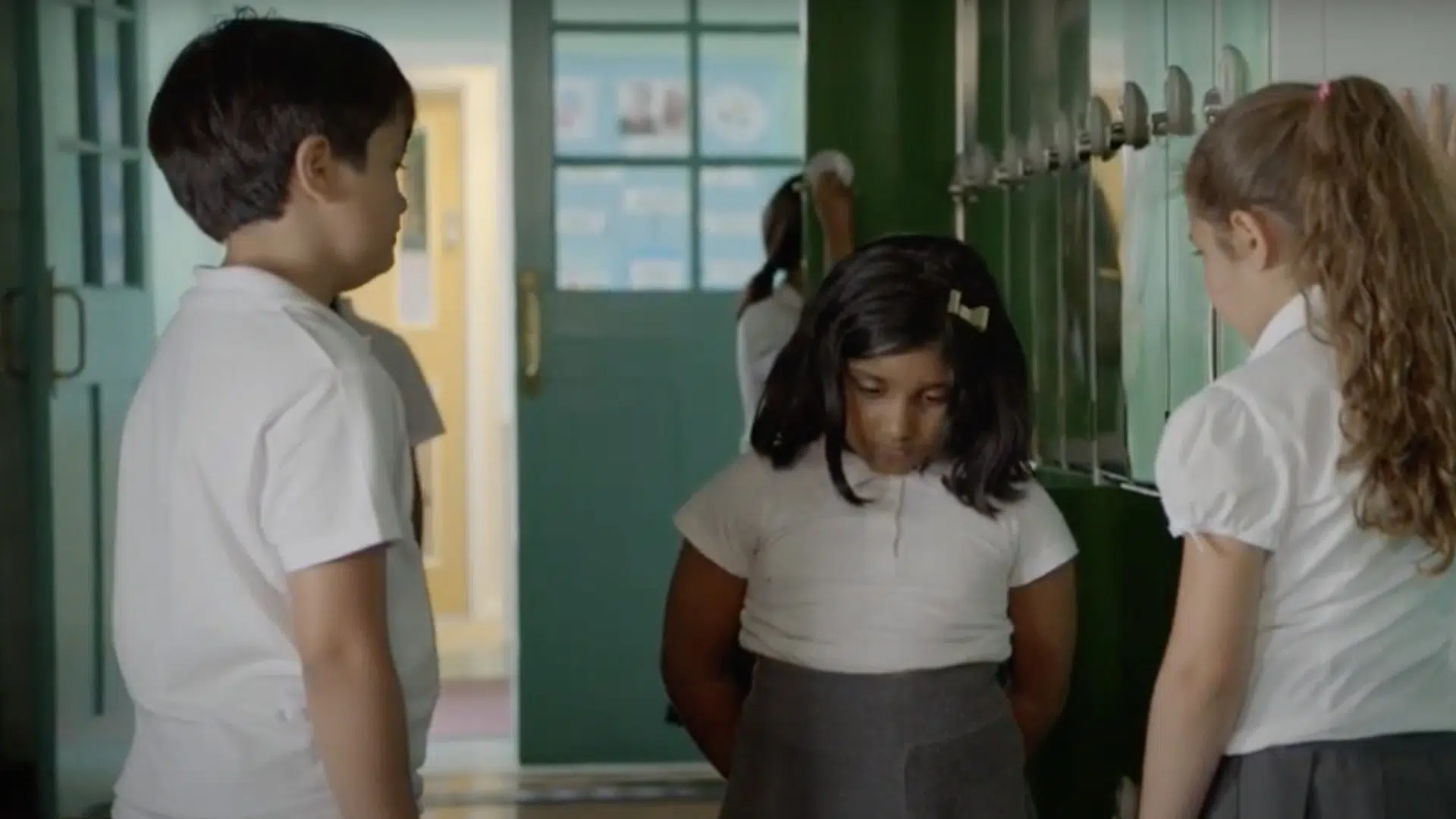
- Watch cloakroom dynamics - whose belongings go "missing" or get damaged
Additional warning signs for teachers:
- Frequent requests to go to the toilet or nurse (avoiding certain situations)
- Reluctance to participate in activities they previously enjoyed
- Flinching or anxious body language around certain pupils
- Making excuses to stay in at break time
- Changes in friendship patterns or sudden isolation
When Children Don't Tell You
Some children may be fearful to talk about being bullied. In some cases the bully might have threatened them with consequences if they speak out about the abuse. Additionally:
- They may feel ashamed or think it's their fault
- They may fear you'll make things worse by intervening
- They may worry about being seen as weak or a "grass"
- They may not recognise what's happening as bullying
- They may have tried to tell an adult before and not been believed
This is why it's so important for both parents and teachers to provide a safe, open and non-judgemental environment for the child to be able to discuss their concerns. Discretion is very important too, especially for older children who may be embarrassed to admit to being bullied and might be reluctant to seek help.
What to Do If You Suspect Bullying
For parents:
- Document what you've observed with dates and details
- Talk to your child in a calm, supportive way
- Contact the class teacher or year leader to share your concerns
- Ask about the school's anti-bullying policy and how they'll respond
- Maintain regular communication with the school
- Reassure your child that reporting bullying is the right thing to do
For teachers:
- Speak privately to the child you're concerned about
- Investigate discreetly - speak to other children who may have witnessed incidents
- Document all observations and conversations
- Follow your school's anti-bullying procedures
- Keep parents informed of concerns and actions taken
- Monitor the situation closely and follow up regularly
Getting Support
It's important to raise any concerns about bullying with your child's teacher, headteacher or mental health representative at the school. Many schools have adopted a 'zero tolerance' approach to bullying. If you feel your concerns aren't being taken seriously, you may need to seek support from external sources in addition to reporting any incidents to your child's school.
Apart from school resources, you can also contact the NSPCC, Kidscape and the Anti-Bullying Alliance - they all provide a wealth of advice, resources and contact information for parents and children who are affected by bullying.