What is Bullying?
'Most people understand bullying as behaviour by an individual or group, repeated over time, that is intended to hurt another individual or group either physically or emotionally.' (National Bullying Helpline)
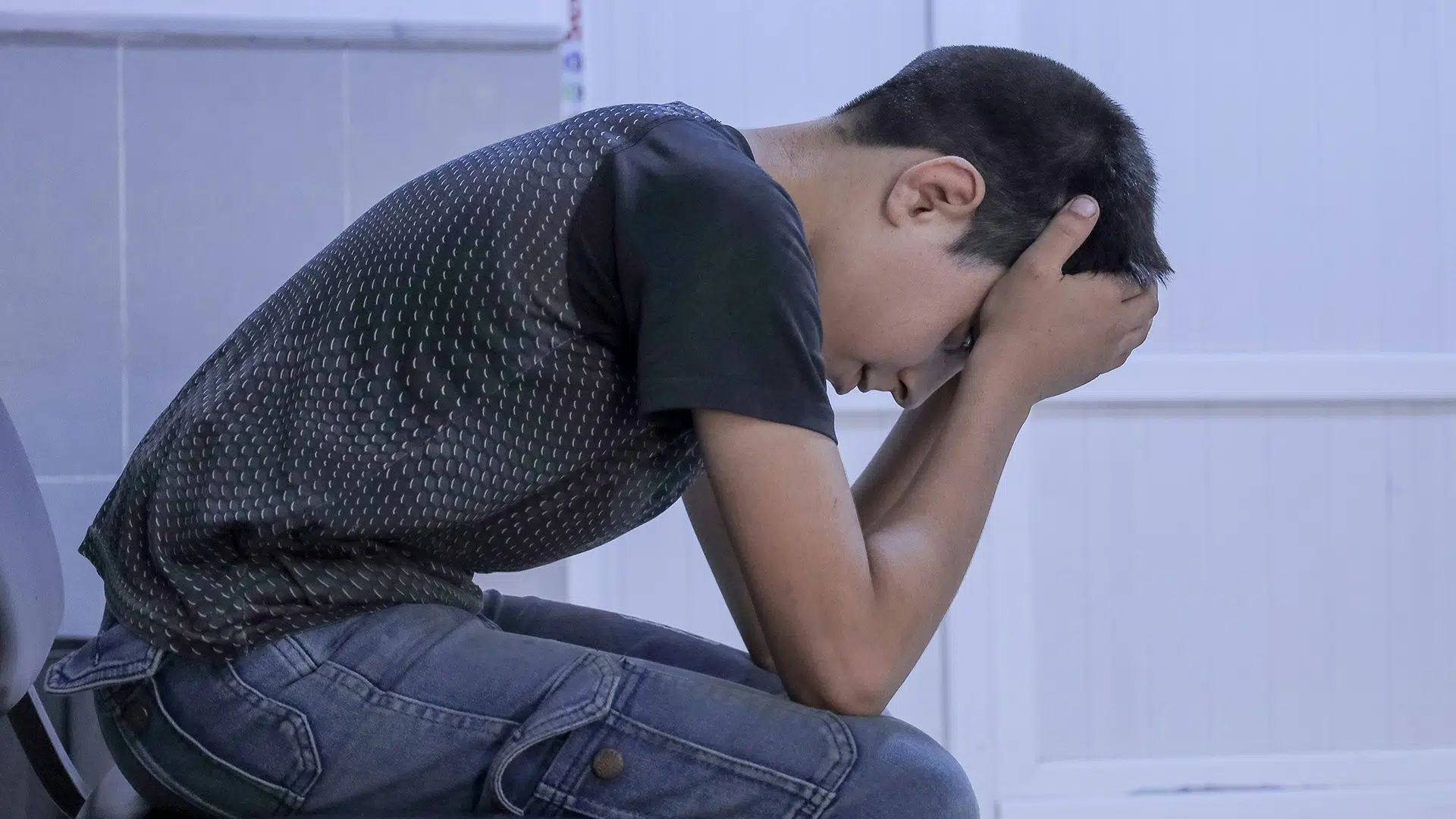
It's a small word that encompasses a very wide range of aggressions. It usually involves emotional, or physical, harm, and it's not just between children. Adults can bully children, or may be bystanders (knowingly, or unknowingly). But bullying, so often internalised by the victim who may blame themselves, is never OK, and nor is standing by. In a society where bullying is becoming more and more of a concern, it seems more important than ever that the responsibility for addressing it does not lie on the shoulders of a single teacher, or a worried parent or carer, but rather the communities where it happens. There is power in numbers - as every bully and victim knows - and increasingly schools are recognising the power that comes from a whole-school approach.
What Does Bullying Look Like?
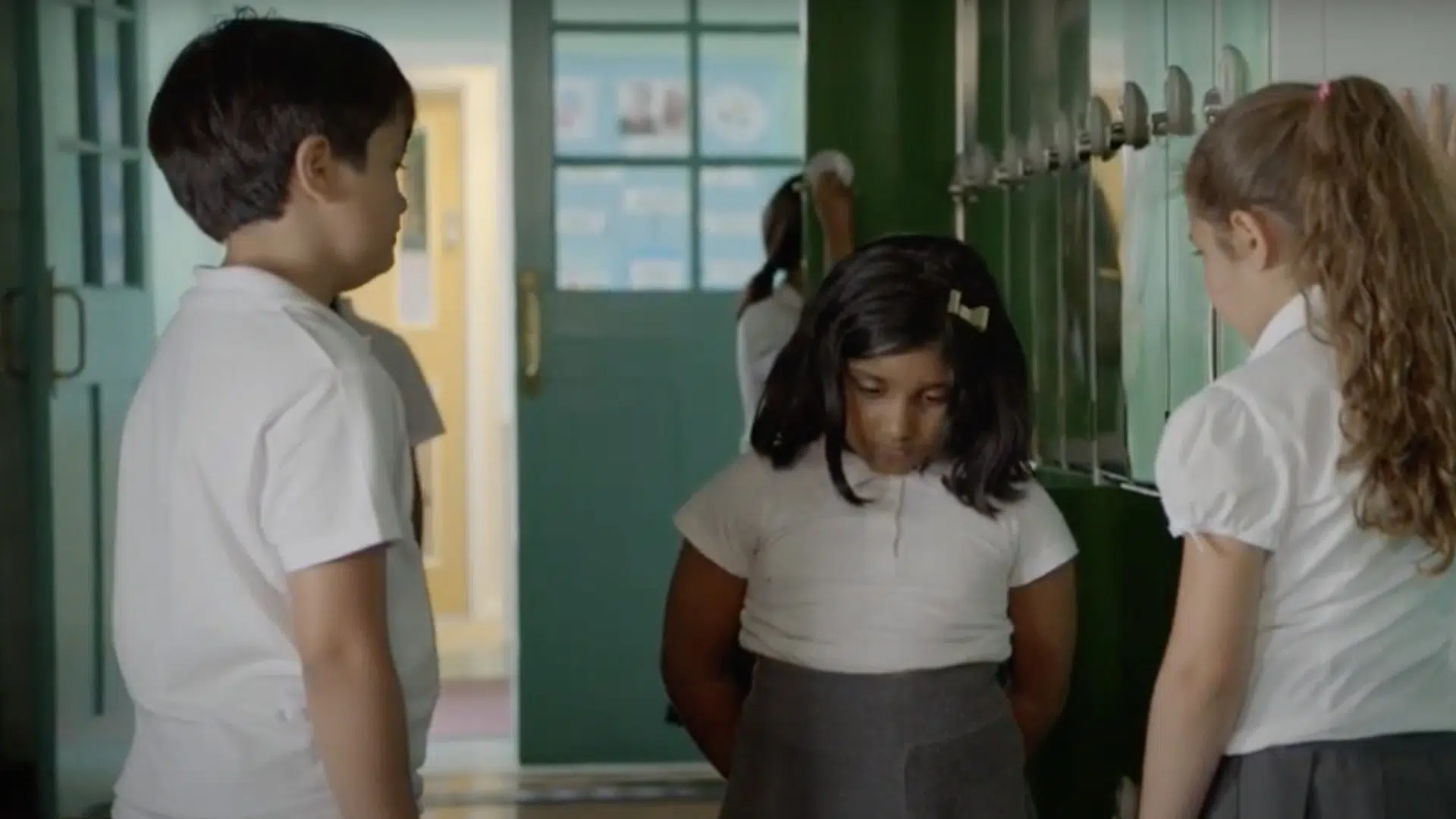
Bullying can take many forms, from physical aggression to verbal abuse, to cyber bullying. Spreading a rumour or making a cruel joke at someone else's expense is bullying. Peer pressure where someone is forced into doing something they don't want to do is also a form of bullying. Any form of exclusion, or discrimination, is bullying. As are attacks on a person's property. In bullying, there is always a power play where the bully will use the victim to feel more powerful at the victim's expense. It can be subtle, making it hard to call out, and it can turn up in unexpected places – for example in instances where teachers, authority figures, or family members are doing the bullying.
Bullying vs Falling Out: Understanding the Difference
It is important to understand the difference between bullying and a simple falling out with friends. Bullying is repetitive and persistent, where a fall-out is a one-off incident. This distinction is crucial for both identifying bullying and responding appropriately.
Why Do People Bully?
Bullying can cause enormous pain and suffering, and it also comes from a place of pain. People may become bullies because they themselves are being – or have been – bullied. They may bully because they may have witnessed it happening to someone else and fear becoming a victim if they're not the bully. They may do it because they feel small, bad about themselves and disempowered. Or they may do it because they don't know how to manage difficult social situations and emotions.
At the end of the day, people – children and adults – bully because bullying gives them a sense of power, or a vent for their own pain. As the head of one of my local primary schools said to me recently, as I explored options for my four-year-old, when there is bullying, we send the bully to the school counsellor too. In other words, when we recognise the pain of the bully and why they're bullying, then we stand a chance of changing things.
The Role of Bystanders
Standing by and watching makes a person complicit, particularly if the person is in a position to make a difference - and that might be simply by calling it out and reporting it.
For a child, however, the position of bystander can be a very distressing one to be in. Bullies work through intimidation and fear. So being on the sidelines of bullying can be upsetting, or frightening. This is one reason why a whole-school, or community, approach to bullying is so invaluable. Where everyone - from the children to the staff and parents - is educated to spot and understand what bullying is and to feel clear about the support available, bullying is less likely to become a crisis and far more likely to be nipped in the bud before long-term harm is done.
The Whole-School Approach to Preventing Bullying
Increasingly, a whole school approach is becoming the norm. Education increases awareness and helps us to spot the signs early on. Building strong relationships between parents, staff and pupils is also key, paving the way for easy communication channels if things become challenging and tense. Engaging the students themselves in the prevention of bullying means that they are less likely to join in, or become bystanders, and more likely to take action and speak out against it. Knowing which adults in the school, or community, they can talk to safely about what they have witnessed - or experienced - is, again, crucial. Involving the whole community in these ways may prevent crises and change lives.
For Teachers: Creating a Safe School Environment
Build a culture of reporting, not silence:
- Establish multiple safe channels for children to report bullying (trusted adults, mentoring schemes, anonymous reporting boxes)
- Regularly remind pupils that reporting bullying is brave, not "telling tales"
- Make it clear that bystander silence enables bullying
- Create classroom discussions about what bullying looks like and why it's everyone's responsibility to address it
Implement preventative strategies:
- Use circle time and PSHE lessons to explore empathy, kindness, and conflict resolution
- Establish clear anti-bullying policies that all staff consistently enforce
- Train older pupils as buddies or peer mentors for younger children
- Monitor playground dynamics and friendship groups
- Address exclusion and social isolation early, before patterns become entrenched
Respond to both victim and bully:
- Provide emotional support and counselling to children who have been bullied
- Recognise that bullies often need support too – they may be acting out their own trauma or pain
- Work with compassion with families of both the bully and victim to create lasting change
- Avoid punitive-only approaches; focus on understanding root causes and teaching better behaviours
For Parents and Carers: Supporting the Whole-School Approach from home
Partner with your child's school:
- Familiarise yourself with the school's anti-bullying policy
- Attend parent workshops on bullying awareness if offered
- Build your relationships with teachers so communication flows easily if concerns arise
- Support school initiatives around kindness and inclusion at home
Model positive behaviour:
- Model and demonstrate respectful conflict resolution in your own relationships
- Talk about feelings and help your child develop their emotional vocabulary
- Discuss what to do if they witness bullying (supporting the victim, telling an adult)
- Avoid using language that normalises bullying ("boys will be boys," "toughen up")
Create open communication:
- Ask open-ended questions about friendships and playtime, not just academic work
- Listen without judgement if your child shares concerns
- Take any reports of bullying seriously, even if they seem minor
- Avoid immediately confronting other parents or children - work through the school
Breaking the Silence
The Department for Education recommends that all schools have an Anti-Bullying Policy in place. Some schools may also have a "Buddy Scheme", or "Mentoring Programme", in which older pupils are trained in listening skills and are able to act as support for those who need it.
It is important to remember that there is no shame in being bullied - although bullying often works by creating shame. Many people are bullied, and most of us are vulnerable to it. It is not the victim's fault and talking about it - however frightening - can make all the difference. The power of bullying is often in creating shame and secrecy. Breaking the silence is the most important step in overcoming it.
In the words of one young person:
"You are worth so much more than you think. Being bullied is scary, painful and really hard, but you don't have to suffer in silence. Speak to someone you trust to let them know what is happening and together, you can work to make it better." (Anonymous, from the charity Young Minds)
Taking Action
If you are a parent with a child who is, or may be, being bullied, talk to your child's school. Kidscape also offer a range of training - from kids workshops, ones for parents and carers to teaching communities as well as workplaces. For schools wanting to take further action against bullying, the Anti-Bullying Alliance also run a whole-school programme, United Against Bullying, helping you to tackle bullying as a whole community. Working together, building strong relationships between parents, staff and pupils, establishing easy communication channels, and creating awareness through education, may prevent a crisis and change lives.