What is Bullying?
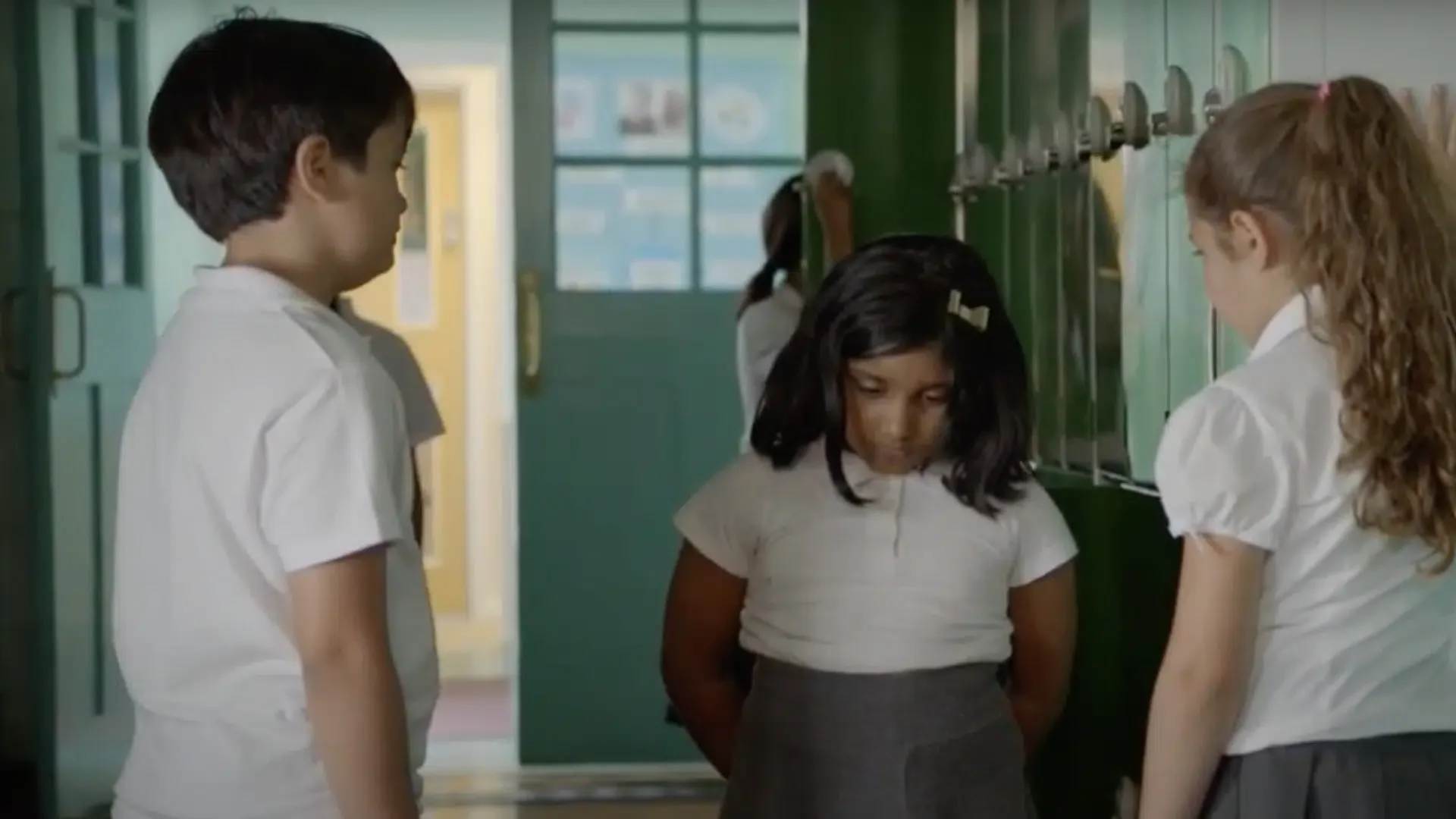
According to the NSPCC, "Bullying is behaviour that hurts someone else. It includes name calling, hitting, pushing, spreading rumours, threatening or undermining someone. It can happen anywhere - at school, at home or online. It's usually repeated over a long period of time and can hurt a child both physically and emotionally."
The Mental Health Impact of Bullying
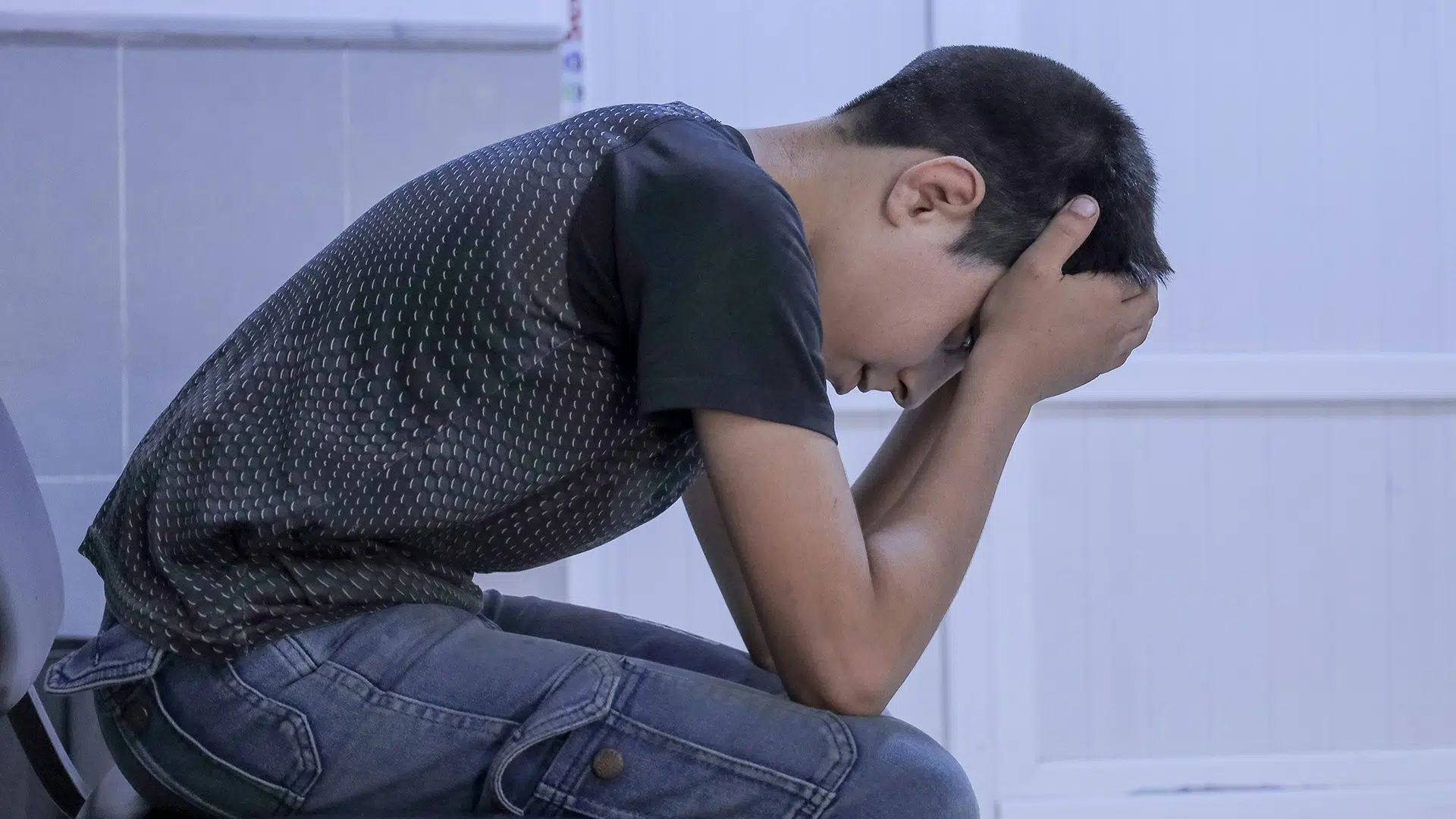
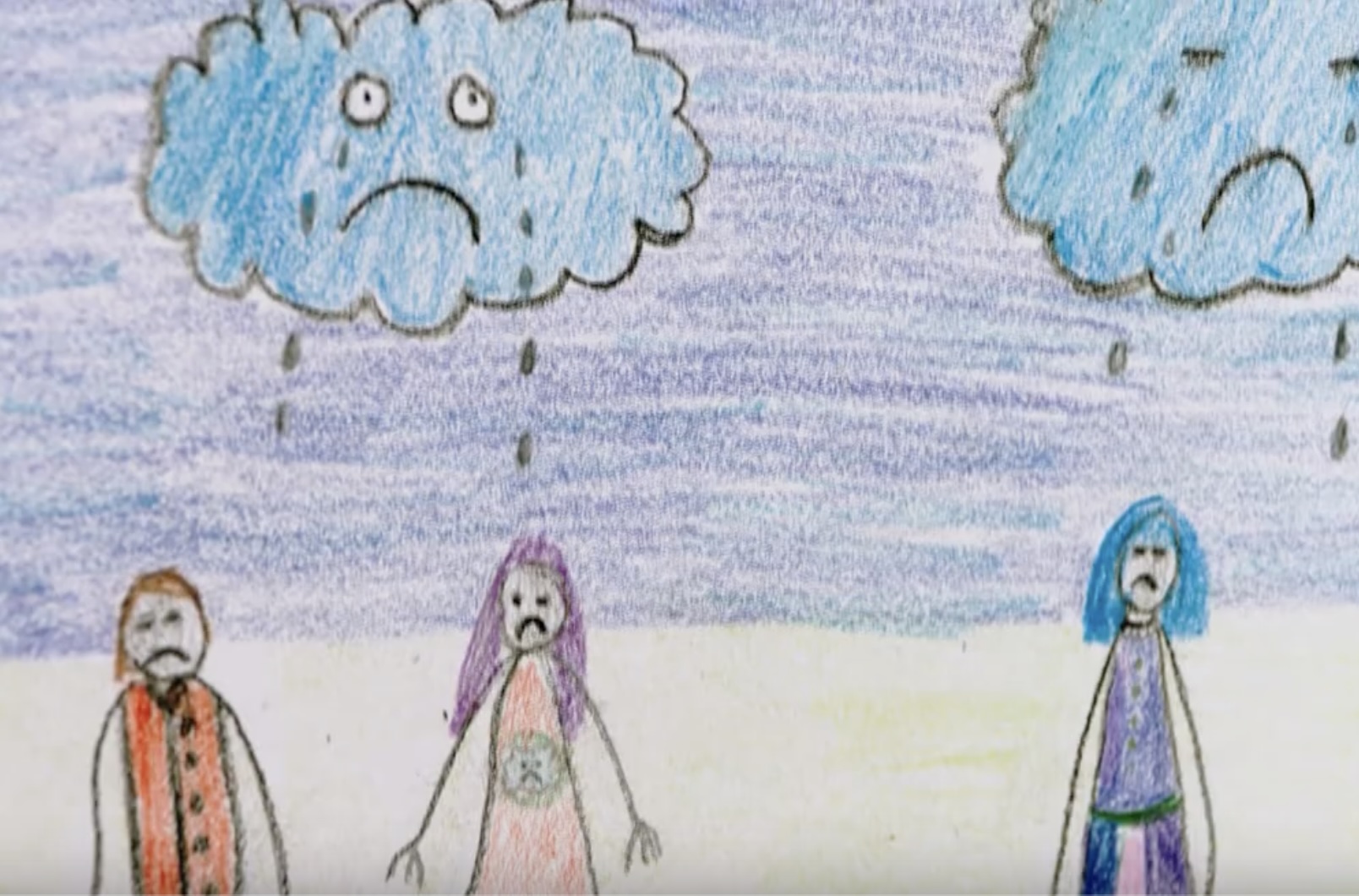
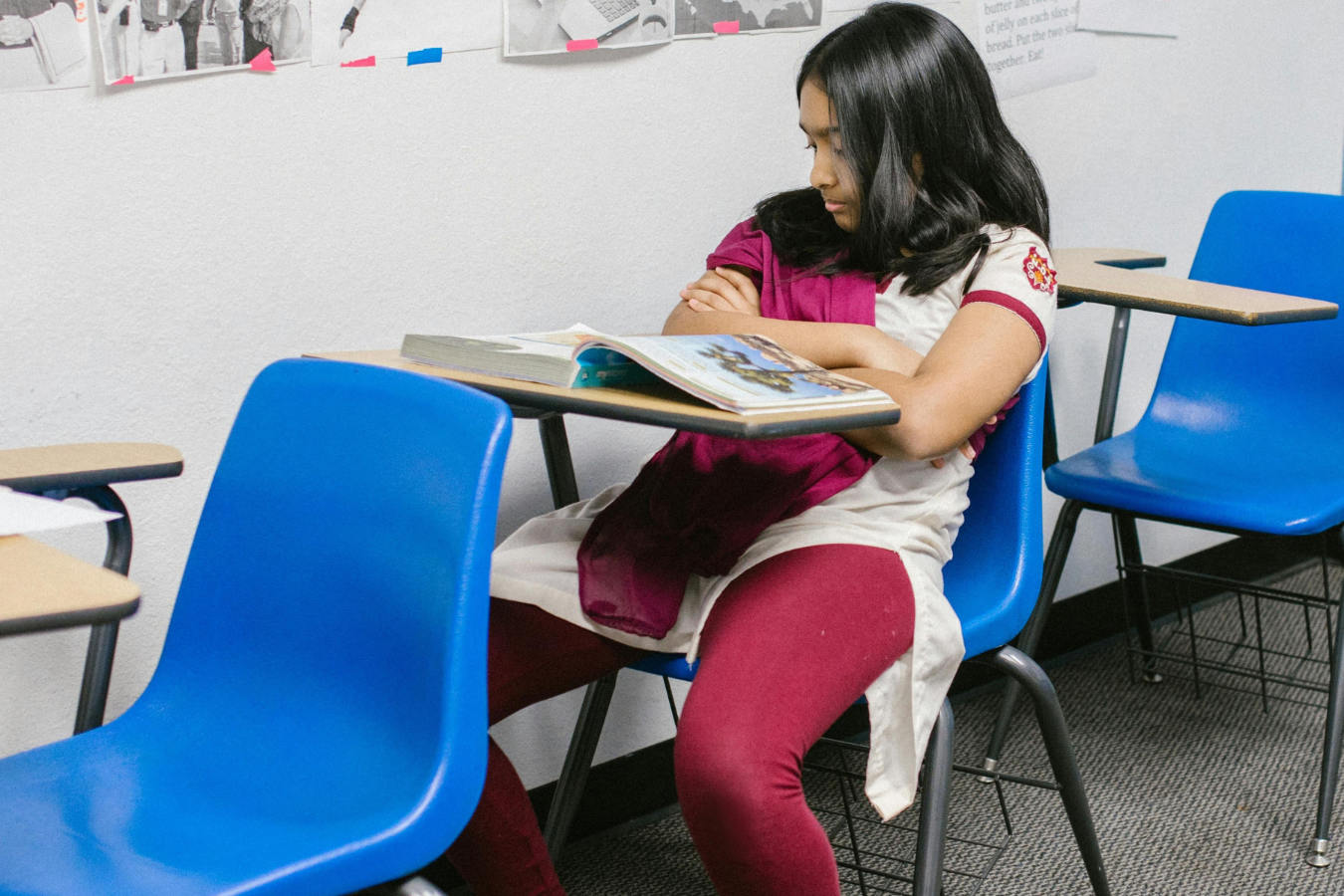
Young people who have experienced bullying are more likely to develop an anxiety disorder or suffer from depression. The same applies to those that are isolated and have difficulties with friendships at school.
Fears and worries are a normal part of child development and the content of fears can change according to the individual's developmental stage. Anxiety disorders occur when the intensity of the fear or worry is so high that it starts to impact on the child's functioning and wellbeing. Depression affects just under 3% of children under the age of 13 and over 5% of 13-18-year olds. An estimated 20% will have had one depressive episode before the age of 18.
Bullying is an understandable reason for a child to feel sad or anxious but it need not mean they are suffering from anxiety or depression. However, regardless of the impact on the child, bullying in any form is never acceptable. Whether the bullying takes place at school, at home, online or somewhere else, it should be reported to the relevant authority and those responsible should be held to account.
Why Some Children Are More Vulnerable to Trauma
Bullying is very often experienced as traumatic. This is not just to do with the speed and efficacy of the intervention, which is crucial. It also depends on the nature of the child and the child's history. If there has been previous trauma, or bullying in the past, for example, the child may be more vulnerable and prone to trauma. Sensitive children may also be more likely to be targets of bullying precisely because it will likely affect them more.
Where there is trauma, the long-term effects of bullying should not be underestimated. There is likely to be depression and feelings of worthlessness that may last well into adulthood. A person who has been bullied may also find it hard, in later life, to trust people and to form long-term friendships, or relationships. There may even be recourse to self-harm.
Recognising When Your Child Needs Professional Help
If you notice any symptoms of depression or anxiety as a result of your child being bullied, and these persist or worsen, then you should refer to a professional. If left untreated, depression and anxiety can continue into adulthood and cause significant problems.
Signs That Professional Intervention May Be Needed
For primary-age children, watch for:
- Persistent low mood lasting more than two weeks
- Loss of interest in activities they used to enjoy
- Significant changes in sleep patterns or appetite
- Statements about feeling worthless or wanting to disappear
- Excessive worry that interferes with daily functioning
- Panic attacks or extreme fear responses
- Self-harming behaviours
- Regression to much younger behaviours that doesn't resolve
- Difficulty concentrating affecting schoolwork significantly
- Social withdrawal that continues even after bullying has been addressed
For Teachers: Supporting Mental Health in the Classroom
Teachers play a crucial role in identifying and supporting children whose mental health has been affected by bullying.
Creating a mentally healthy classroom:
- Normalise talking about feelings through PSHE curriculum and daily check-ins
- Build emotional literacy so children can name what they're experiencing
- Create opportunities for success and positive feedback to rebuild self-esteem
- Ensure the child feels safe and supported in the classroom environment
- Provide predictable routines that reduce anxiety
- Offer quiet spaces or "calm corners" for children who feel overwhelmed
When to escalate concerns:
- If a child's functioning is significantly impaired (can't concentrate, participate, or engage)
- If you observe concerning statements about self-harm or hopelessness
- If behaviour changes are severe or persistent despite bullying being addressed
- If the child seems unable to recover their previous emotional baseline
Working with parents, carers and specialists:
- Share specific observations about changes in the child's day-to-day
- Collaborate with the school's mental health lead or SENCO
- Support any therapeutic interventions happening outside school
- Maintain confidentiality whilst ensuring the child's safety
- Ask families what adjustments might help at school (extra check-ins, safe person to talk to, etc.)
For Parents and Carers: Getting the Right Support
When to seek professional help:
If bullying has stopped but your child is still struggling, or if you notice signs of anxiety or depression that persist, it's time to seek professional support. Trust your instincts – you know your child best.
Where to start:
- Your GP - Can assess your child and refer to CAMHS (Child and Adolescent Mental Health Services) or other appropriate services
- School pastoral support - Many schools have counsellors or mental health leads
- Charities offering therapy - Many services are overwhelmed, particularly post-Covid, and it may be worth finding out if there is a charity in your area offering therapy for children in need of support. Some mental health charities employ volunteers and trainees to make this possible - see our Where to get Help page for more information
- Private therapy - If you can afford it, seeing a qualified child therapist or counsellor can provide support while waiting for NHS services
Types of support that can help:
- Counselling or play therapy for younger children
- Cognitive Behavioural Therapy (CBT) for anxiety or depression
- Family therapy to improve communication and support at home
- Art or music therapy as alternative ways to process trauma
- Group therapy to reduce feelings of isolation
Supporting Your Child at Home
While waiting for professional help, or alongside therapeutic intervention:
Create emotional safety:
- Validate their feelings without minimising the impact of what happened
- Reassure them that what happened wasn't their fault
- Avoid pressuring them to "get over it" or move on too quickly
- Listen more and be aware if you feel like you want to fix it or give advice - let your child lead the conversation as it may be tough for them
Rebuild confidence gradually:
- Encourage activities where they can succeed and feel confident about
- Help them reconnect with friends and activities they enjoy
- Praise effort and courage, not just outcomes
- Don't force social situations they're not ready for
- Be patient - it will pay off
Monitor and support:
- Keep communication open about how they're feeling
- Watch for concerning changes (sleep, appetite, mood, behaviour)
- Work with the school to ensure they feel safe
- Be patient – recovery from trauma takes time
Model healthy coping:
- Show them how you manage difficult feelings and let them know it’s a part of building resilience
- Practice relaxation or calming techniques together
- Maintain routines and fun family activities
- Take care of your own wellbeing so you can support them
The Importance of Early Intervention
In general, however, if we can spot the signs, and if schools, or communities, take timely and effective action, trauma shouldn't have to be the outcome. This is where whole-community education around bullying is important. Early intervention and support can make a significant difference in your child's wellbeing and long-term mental health.
Where professional help is needed, seeking it early can prevent the development of more serious mental health conditions. Depression and anxiety are treatable, and with the right support, children can recover and develop resilience.
Breaking the Stigma
It is important to remember that there is no shame in being bullied - although bullying often works by creating shame. Many people are bullied, and most of us are vulnerable to it. It is not the victim's fault and talking about it - however frightening - can make all the difference. The power of bullying is often in creating shame and secrecy. Breaking the silence is the most important step in overcoming it.
Similarly, there should be no shame in seeking mental health support. Just as we would take a child to the doctor for a physical injury, supporting their emotional wellbeing is equally important.
In the words of one young person:
"You are worth so much more than you think. Being bullied is scary, painful and really hard, but you don't have to suffer in silence. Speak to someone you trust to let them know what is happening and together, you can work to make it better." (Anonymous, from the charity Young Minds)
Getting Help and Support
Apart from your child's school and GP, you can also contact the NSPCC, Kidscape and the Anti-Bullying Alliance - they all provide a wealth of advice, resources and contact information for parents and children who are affected by bullying, along with resources for schools. Each of their websites provide an explanation of the different kinds of bullying, including bullying at school and cyberbullying and how to support children being bullied.
Mental health specific resources:
- Young Minds - Parent helpline and resources on children's mental health
- Place2Be - School-based mental health support
- The Mix - Support for under-25s
- Childline - Confidential support for children (0800 1111)
Remember, any form of bullying is unacceptable and should be taken seriously, regardless of whether it results in diagnosable anxiety or depression. But when mental health is affected, getting the right support quickly can prevent long-term harm and help your child recover.