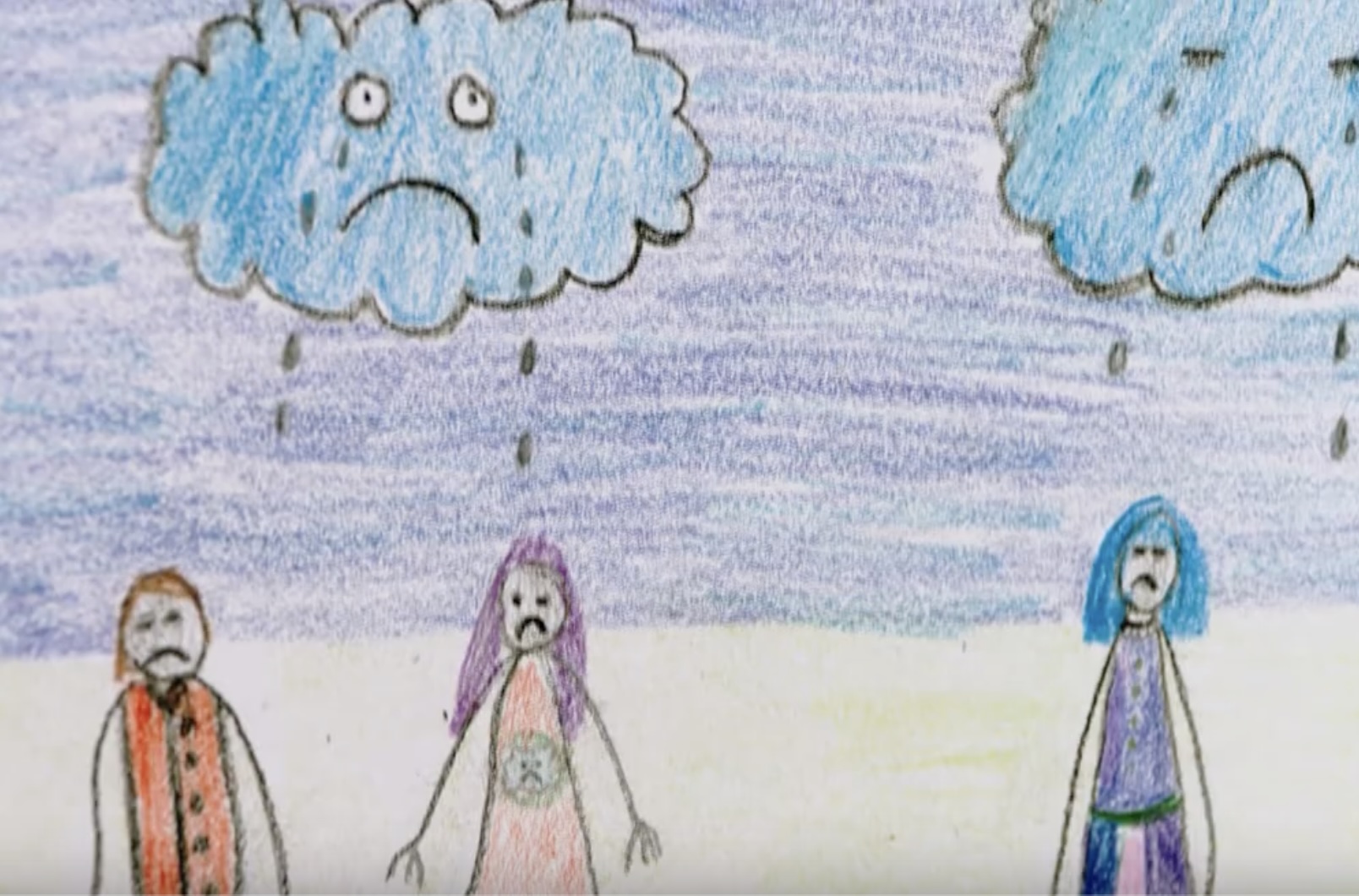
In a recent episode of the Nip in the Bud podcast, I speak with Christine Walsh, who shares her journey navigating this phenomenon with her two neurodivergent sons. Her story offers an illuminating roadmap for both parents and educators on how to move past surface appearances and towards true acknowledgement of need.
The myth of the 'fine' child
One of the most significant hurdles Christine faced was the disconnect between home life and school life. While her son appeared fine during the loud alarm bell of a school fire drill, the tiny beep of a low battery in a smoke detector at home would cause a total shutdown.
This is the reality of masking. Many autistic children spend their cognitive energy mimicking neurotypical behaviour throughout the school day. To an educator, the child is succeeding. To a parent, that child is a coke bottle that has been shaken all day and is waiting for the safety of home to finally release the pressure.
Reframing PDA: from defiance to autonomy
Christine's youngest son has a profile of Pathological Demand Avoidance (PDA) — a term she reframes as a Persistent Drive for Autonomy.
For a child with PDA, even a simple demand — "put on your shoes" or "hello, how are you?" — can trigger a primitive fight-flight-freeze response. As Christine explains:
"…a meltdown is actually him…sort of shutting down and he cannot cope with any of the things that are happening around him. And that is real, that comes from a place of survival, him thinking he has to survive in this place where he has no control."
Christine is clear that her son's behaviours are not naughtiness — they are a nervous system response:
- It isn't naughtiness. It is a nervous system disability.
- The gun to the head feeling. For a child with PDA, a loss of control or a sudden change in routine can feel as life-threatening as having a weapon pointed at them.
- Meltdown vs. tantrum. A tantrum is goal-oriented (wanting a sweet); a meltdown is a complete neurological overload where the child has lost the ability to regulate.
As Christine puts it:
"He thinks he's going to die. That's how extreme it is for a PDA child. Any kind of change is like a gun to their head. They really think this is risking my life… So it's not just like, oh, come on, let's get on with it. It's actually calming the nervous system to be able to react differently to it."
Practical strategies for home and school
Christine's experience shows that when we stop demanding compliance, we can start genuinely supporting. Here are the strategies that helped transform her family's life.
1. Low-demand communication
Sometimes the best way to support a child is to say nothing at all. Christine practises 'silent cycling' on the way to and from school. By removing the demand of social interaction, her son often feels safe enough to volunteer his thoughts and anxieties on his own terms.
2. The Busy Box
Christine's son uses a busy box filled with fidget toys and colouring materials. This box follows him from year to year, providing a tether of familiarity in a changing environment. It allows him to have a parallel activity within a lesson — listening and learning while his hands are occupied, rather than being required to sit still.
Consistency of this kind cannot be a one-size-fits-all approach. Relationships need to be built carefully, with clear communication between all involved, so that educators, parents and the child can share what works — and adapt as the child changes and grows.
3. Collaborative transition planning
Transitions — nursery to school, year 2 to year 3, primary to secondary — are peak anxiety times. Christine advocates for:
- Advance notice: Informing parents of staff absences, changes or schedule alterations as early as possible.
- Whole-school awareness: It isn't enough for only the SENCo and class teacher to know a child's diagnosis or specific needs. Lunchtime staff, admin teams and teaching assistants all need to understand what works and what might be a trigger. A child who eye-rolls or growls isn't necessarily being rude — for some neurodivergent children, this is a sign of a struggling nervous system.
A call for radical empathy
The most moving part of Christine's story is her reason for seeking a diagnosis: to give her son power.
"I just wanted him to grow up not thinking that there was anything wrong with him. He's just different."
Her message to educators is clear: listen to parents, and believe them. If a parent says their child is struggling — even when it isn't visible at school — be curious, ask questions, and work together to build a full picture of the child.
As Christine puts it, when we work together to lower the pressure, we don't just manage behaviour — we allow a child to feel safe enough to thrive.
Listen to our conversation with Christine Walsh on the Nip in the Bud podcast, where she discusses her family's experience of autism, PDA and masking at school.