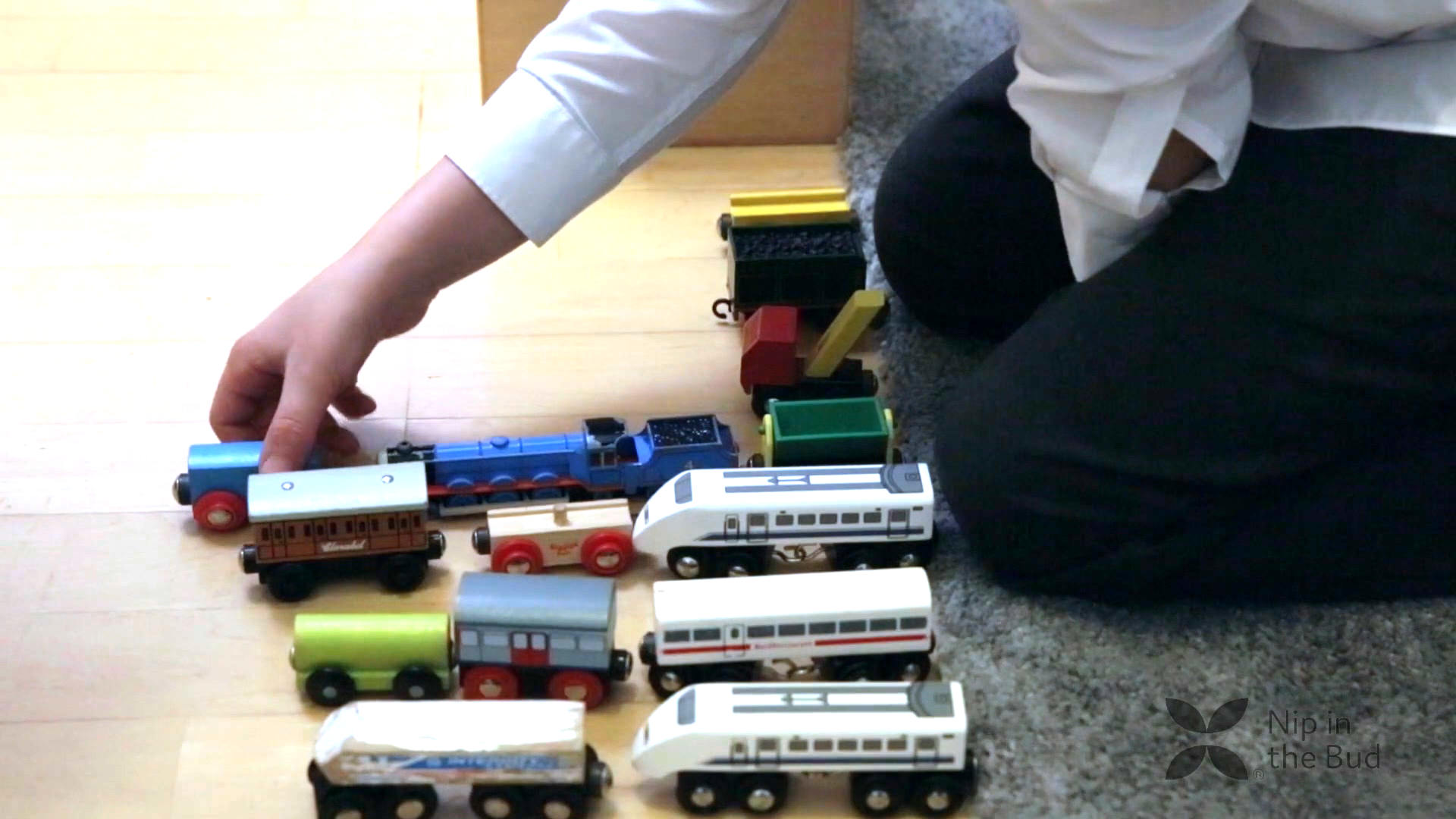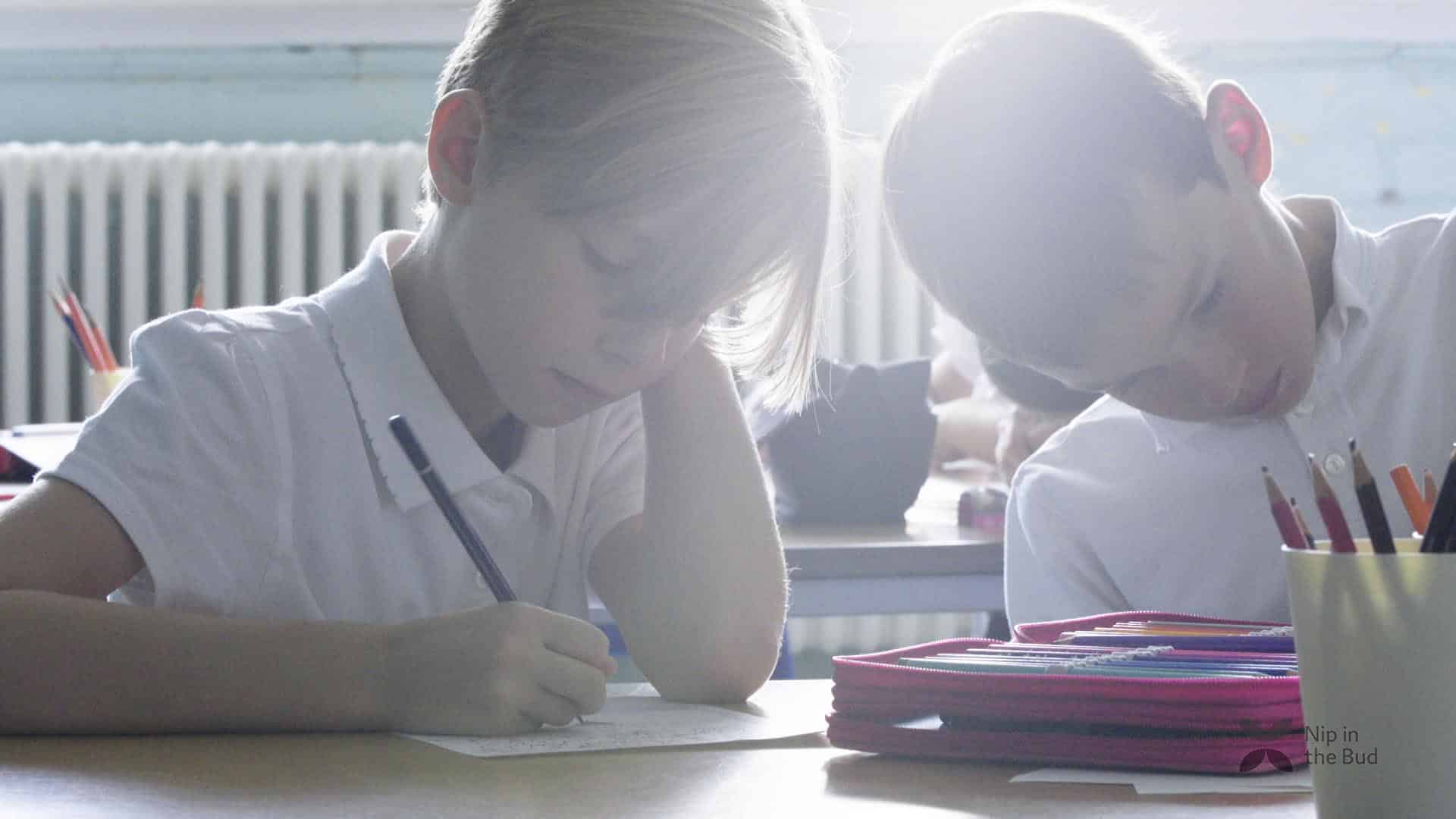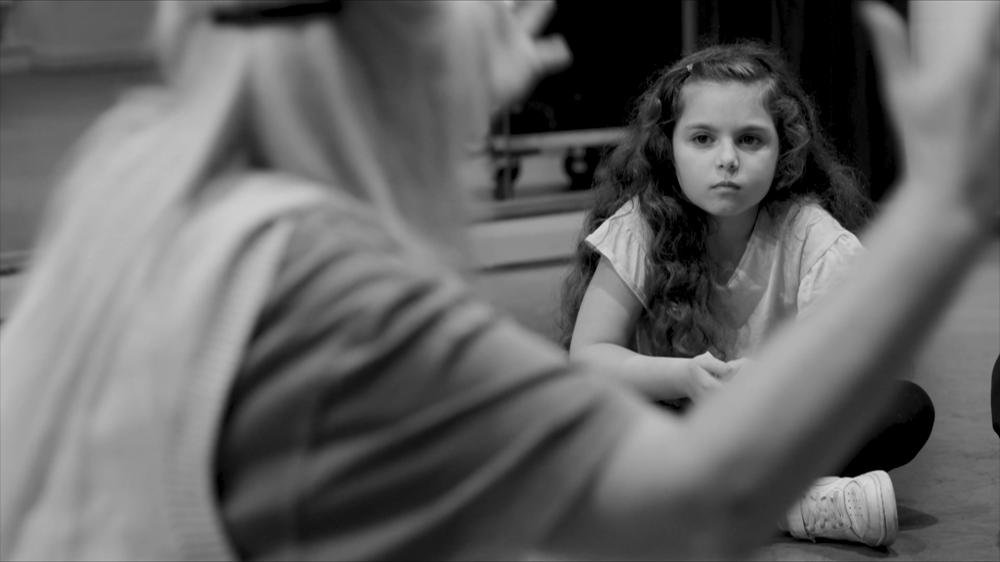
In our film "Let's Connect" we collaborated with Chickenshed, an inclusive theatre company that creates theatre, runs outreach projects, and education courses, whose aim is to create a society that enables everyone to flourish, creating work that celebrates diversity and inspires positive change.
ERROR: Cannot find any downloads for page: /toolkit/school-life
In the film you'll see children from our workshops talking about barriers to learning and how these make them feel. We suggest you can use this film, alongside your own activities, to encourage your pupils to do the same.
Why talk about barriers to learning in your classroom?
Good mental health starts with getting to know who you are and being able to talk about it with others. This is as true at school as it is elsewhere.
Research suggests that learning can have a positive influence on wellbeing.
As well as preventing learning, barriers can make children feel alone or excluded. Being open about any barriers can dial down the impact they may have on self-esteem and, therefore, on learning.
Often children don't have the confidence or language to vocalise that they need something different.
This film, and the work you do around it, helps build children's confidence around enabling them to ask for what they need. By creating learning environments that are inclusive and compassionate, we are modelling a kinder way of being, learning and working.
Put simply, connecting is easier when we all feel confident that we're taking each other's needs into consideration.
The aim of this film is to enable children:
- To explore what might create a barrier to learning, and how these can make a child feel.
- To learn how talking about any barriers to learning helps to make learning spaces more adaptable and flexible.
- To explore and share what school, teachers and friends could do to help remove or reduce these barriers.
- To understand that the more everyone talks and listens to each other, the happier everyone will be.
Creating a safe space for talking and listening in your classroom
- Support the children to create their own guidelines for their safe space.
- Represent their ideas using their language. Some of their ideas might be things like:
- Everyone's opinion is respected and considered.
- Opinions are not right or wrong — all opinions are valued.
- Children can pass if they do not wish to share.
- Allow adequate thinking time.
It is really important to use the language that the children themselves choose to express these.
Introduce active listening — after hearing from their classmate, can they share back what they have understood has been shared?
Games and activities that help children understand what a barrier to learning is
- Get into order without speaking — for example by month of their birthday, temperature of their hands (from hot to cold), or length of their hair (from long to short).
- Describe it and draw it — children are placed back-to-back. One describes a picture and the other tries to draw it just from the description their partner provides.
- Blindfolded — set up a series of obstacles and partner 1 must help partner 2 (who is blindfolded) navigate the obstacle course.
Questions to explore before and after watching the film
- How did the activity make you feel? What was difficult? What helped?
- What was the barrier? Can you think of any other barriers that could make learning trickier?
Activities to use after watching the film
- What questions do you have? Children add questions to speech bubbles and share.
- Make a list of the barriers discussed in the film.
- Can you add any more barriers to your list?
- Did you hear about anything that helped reduce or remove those barriers?
Questions that might help children identify barriers to learning, including visible and invisible barriers
- How do you know someone may be experiencing a barrier to their learning?
- How do people feel about what creates these barriers?
- Can you think of barriers that are physical?
- Can you think of any barriers that we can't see?
- Why might invisible barriers be even more challenging for those children?
Activities that help children think and talk about their own barriers to learning
What would help? Children share ideas in small groups:
- Being aware
- People sharing how they feel
- Teachers knowing
- Helping other people around you
- Knowing that they need something different to help them learn
- Letting people feel comfortable to talk about the barriers they experience
Helping children talk about frustration in the classroom
- Acknowledge that we all get frustrated.
- Ask: what frustrates you in the classroom?
- The group could create a "frustration box" where children can write anonymously what frustrates them and post their frustrations into the box.
- The teacher reads them out and the class decides how they could help.
- Perhaps the class could create a poster together.
End with: I learn better when…
Useful resources and links
- Coram Life Education
- Jigsaw PSHE
- Twinkl
- TES
- PSHE Association — Mental Health
- Chalkface PSHE
- Teachit Primary PSHE
ERROR: Cannot find any downloads for page: /toolkit/school-life
If mental health is a topic you're keen to explore and you've found our film and free resources helpful, join our mailing list for our term-time fortnightly updates.