Tylan's Story
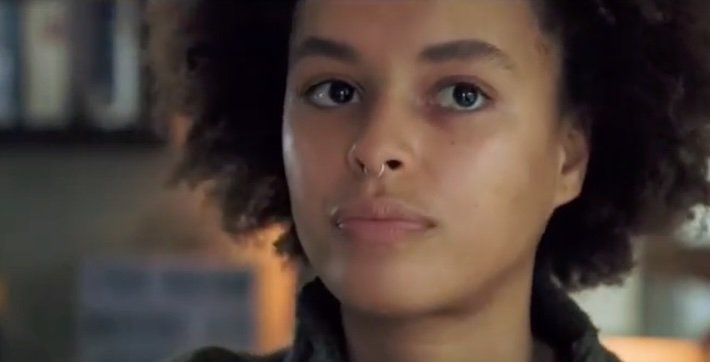
This is the transcript of a film about Tylan's experience growing up with autism.
I felt very alienated growing up.
At school I just felt like I wasn't like anyone else, and like, there must be something wrong because I'm not understanding, like, how other people are acting like this, and I don't know like, why I can't act in this way, or I'm not picking up on this.
I just felt like, either everyone else around me is like completely ignorant, or I'm like just, like a mistake or something, because I just felt like I didn't understand anything.
I get told off for so many things that wasn't actually something that I should get told off for.
So it was like so confusing growing up, because I was like, what am I doing wrong, like, I'm clearly doing something wrong and I don't know what it is.
I think it helps having that diagnosis, because it kind of made me realise that I wasn't just an outcast, and I wasn't just, you know, there was just something wrong with me.
Like I have advantages, and some things I struggle with.
Just straight up being told you don't fit in here, you can try and act cool, you can try and hang out with us, but there's always going to be that barrier, that means that you're not entirely accepted.
It wasn't like my classmates at five years old knew that I had autism and then, you know, discriminated against me because of that.
It was more, I guess, maybe the differences I displayed, but even at that age, I can't even tell you, I didn't know how I acted different, and I didn't know how, what I was doing was any different to anyone else.
I was held behind.
I was placed in positions where I was extremely overwhelmed, and I couldn't do anything about it.
And it kind of got worse as the years went by, I started having like major anxiety and when those situations happened, I'd just straight up like have a panic attack and leave the classroom, or literally like, walk home, I've done that before.
It was very difficult.
I'd be overwhelmed, or I'd get sensory overload or things like that would happen. and it wasn't necessarily being dealt with, in the way that it would be, if people educated themselves and acknowledged the fact that I do have Autism.
The teachers that were helping me would be like, look in my eyes when I'm speaking to Talia.
They would speak to me like I was eight, Like, I had, like I didn't understand what everyone else was understanding.
I wasn't allowed to be myself, anywhere except for when I got home.
Who I was, was someone that was very damaged at that point.
So being myself meant, literally just getting up and walking out of class, or just, I don't know like just not being able to deal with any of it, Like literally just hanging out by myself. Making less of an effort to fit in I guess.
It was hard because obviously I have Autism, but it's more hard when I'm surrounded by people that don't understand me, which is actually what the problem is.
I was struggling and I wanted to be heard.
All I wanted to do was like scream and tell people, this is how you can help me, it's so simple, it's really not that difficult.
But it felt like I was asking for too much, and that I was being too needy.
But really, if someone's not listening, if someone's avoiding your volume, then as much as you scream, they're not going to want to listen.
I just felt like, completely misunderstood and like, I was told every day that I basically wasn't going to do well, and I wasn't going to be able to live a normal life because things were going to get so much harder outside of school, and things were already unbearable at school, so it kind of felt like, I had no chance from the get-go.
And I just felt like, everything was so, permanent, and it was way easier for me to just sit in that feeling of depression, than to see that things do change.
Because I couldn't see that at all when I was in school, because that's not really how I was taught, I guess. Like, I wasn't really taught that like it was going to get better.
In school it was kind of like, if you think this is difficult, well, you're in for a treat because it's going to get so much harder when you leave.
It's not gonna get better.
And so it felt like, if I can't be accommodated for my needs now, then, there's no point because I'm not going to be able to succeed in life. I wasn't just low because, of like situational things, because it became more like I was clinically depressed and I still take medication, but it became more like, it overcame my entire life.
Like my entire life was just sad.
I wasn't in school for a bit, so it wasn't really like a school life, I wasn't going into school every day, because I really wasn't well, and the school was kind of afraid of me.
So I wasn't in school for a while.
But then when I got my job I think that's when, I'm pretty sure like, that's when everyone started making adjustments, weirdly, I think that's when everything started to get back on track. I think, and also when I had come to school, I think people like needed to do something because I was actually a risk, so I needed help.
It was more like an urgent thing, otherwise I wasn't going to be able to go to school, period.
I thought like, it was too late for me to be happy, like if I'm not feeling good now, I'm never gonna feel good. But I realised there's so much more life outside of school, and there's so much more than just school and school is great for some people and it's not for everyone.
But knowing that is fine and it doesn't make you any less intelligent, and it doesn't make you any less smart because you're not necessarily academic, and I feel like I'm flourishing in the environment I'm in, because I'm doing what I want now and that subsequently has improved my health so much. Even if I don't feel like I have the greatest support system at school, I know that I have that at home, and even if you don't have it at home, you have that in yourself because you hold that integrity, otherwise you wouldn't be here like, watching this video right now.
Whatever experiences you may have had with other students, does not mean that every student is the same, and it does not mean that I'm naughty because I'm walking out of the class, and it does not mean that, I'm naughty because I'm struggling and I'm not necessarily, writing things down as quickly as all the other students.
It may just mean that, I have special needs and I just need you to be able to make those adjustments, in order for me to learn and just hear other people out, hear all the students out because, you never know what they're going through and you never know how your words can impact them, even at such an impressionable age.
It's so important to feel like you're being heard, and it's so important to be treated like an adult, I guess.
To be treated like, you're not voiceless, you're not a robot.
You're a person.
You.