Supporting children through grief: A guide to loss, emotions and healing


Duration: 0h 4m 24s
Published: November 2025
Produced and Directed by: Ronit Knoble
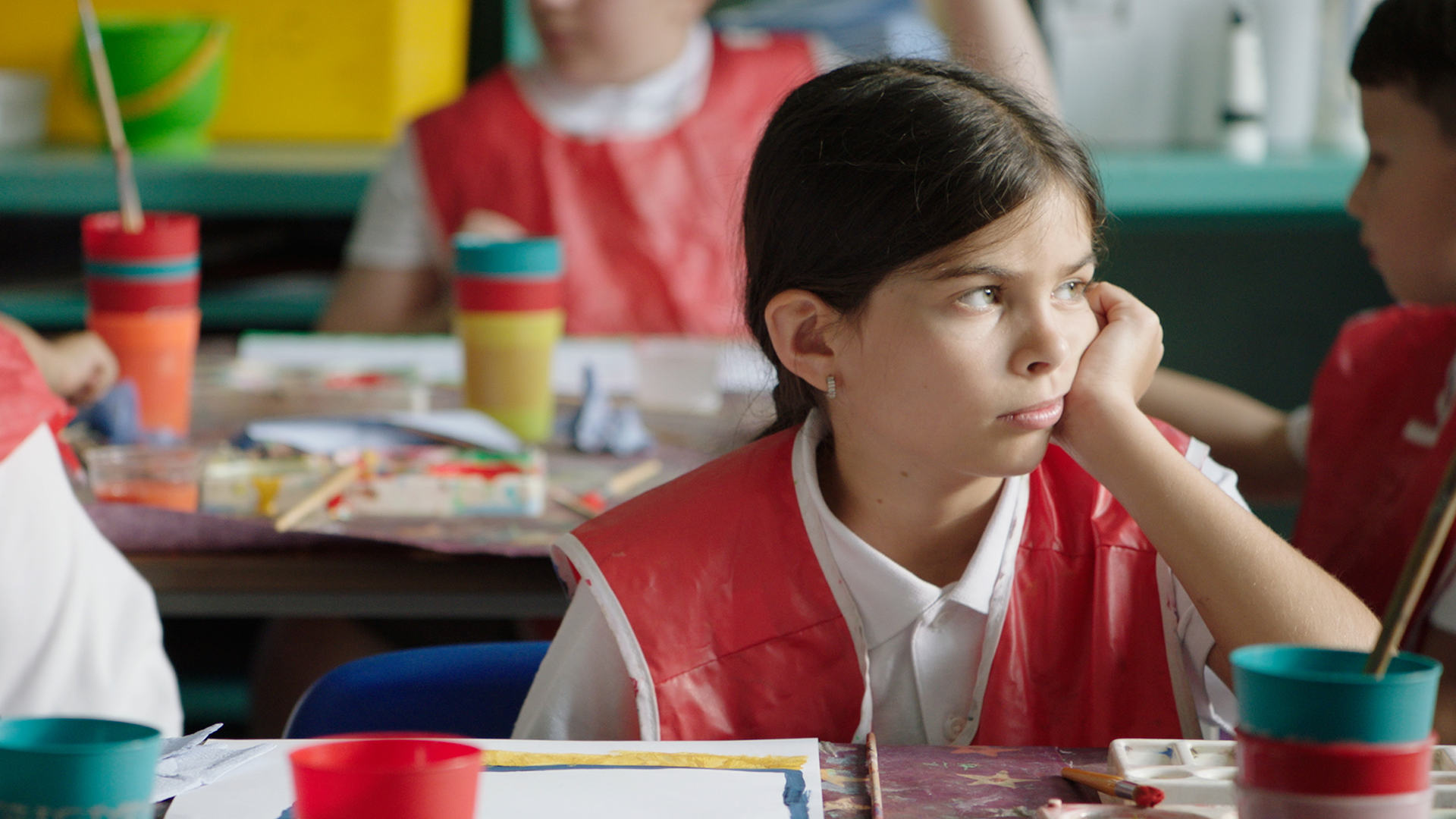
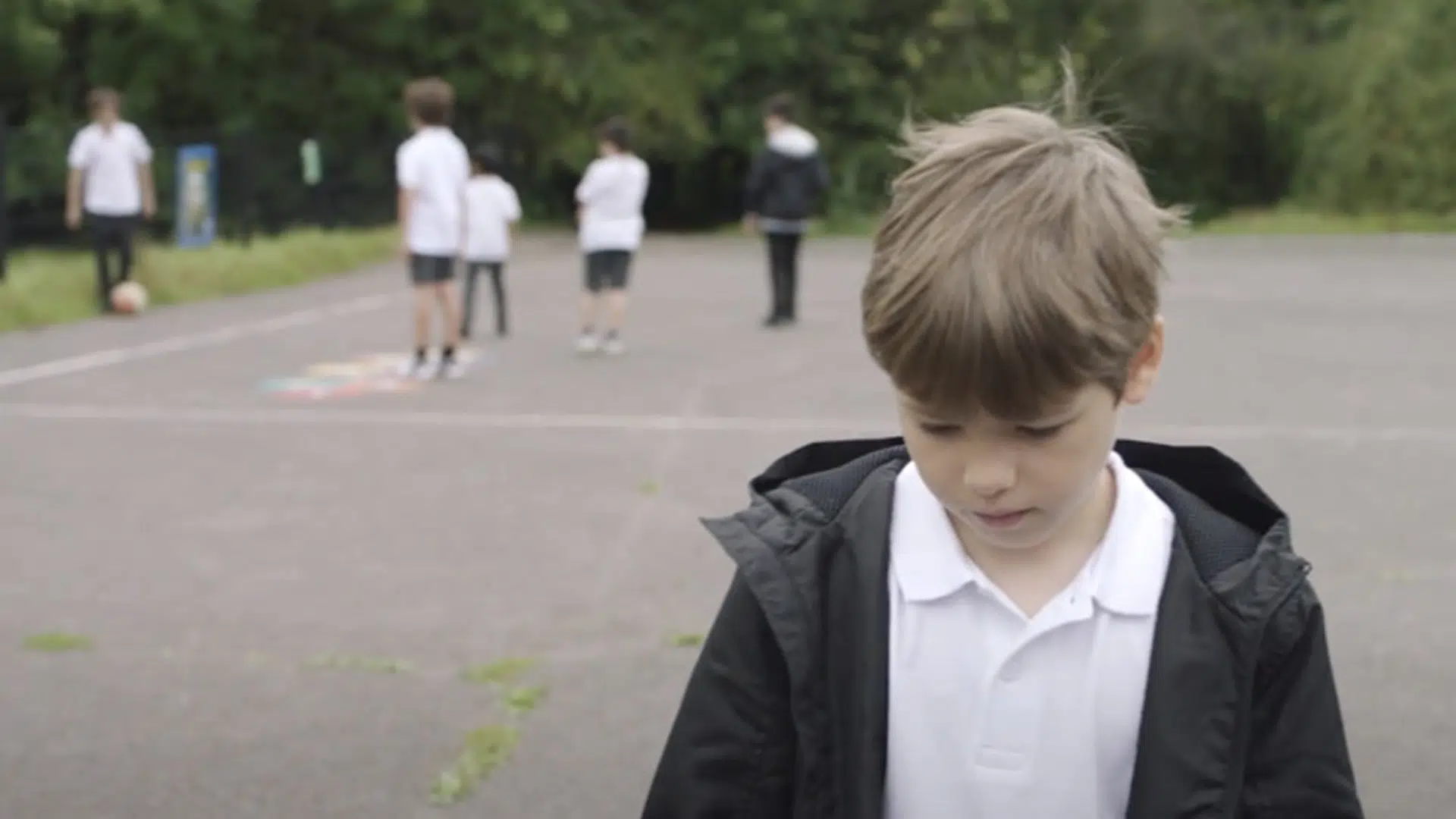
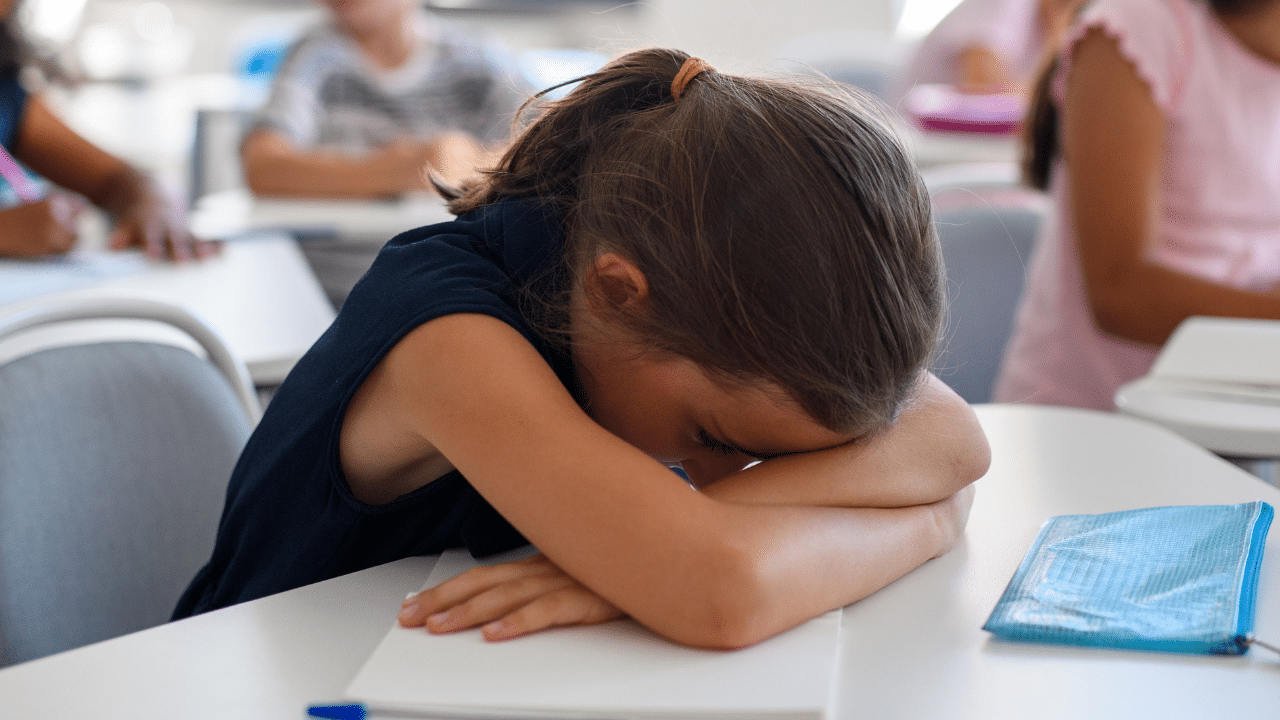
Whether a child in your class is sad, angry, withdrawn, overwhelmed, or appears “absolutely fine”, this guide will help you create safety, communicate with confidence, and understand what grieving pupils truly need at school.
What You’ll Learn in This Video
- Tip 1: How to talk with parents and carers so everyone uses consistent, supportive language
- Tip 2: Why acknowledging a child’s loss matters — and how to do it simply and gently
- Tip 3: Using clear, honest, age-appropriate language when discussing death
- Tip 4: Creating safe spaces in school and identifying a trusted “go-to” adult
- Tip 5: Understanding behaviour changes linked to grief — and responding with patience
- Tip 6: Warning signs to look out for that may indicate a child needs extra support
- Tip 7: Adjusting routines, expectations and transitions to help pupils feel secure
Plus: guidance on how to work collaboratively with families and the wider school team.
Key Messages for Teachers
- You don’t need perfect words - simple honesty helps children feel safe
- Grief can look like sadness, anger, withdrawal or seeming totally unaffected
- Safe spaces and trusted adults help children regulate emotions
- Routines and predictability provide grounding during grief
- Behaviour changes are communication, not misbehaviour
- You are not expected to “fix” grief - your presence and care matter most