Helping a child eat healthier can feel challenging, especially when fussy eating causes stress at mealtimes. This parent-led article supports caregivers to build healthy eating habits by focusing on routine, balance, and a positive food environment. Learn practical ways to encourage variety, involve your child in food choices, and support wellbeing without pressure – helping children develop confidence, independence, and a healthy relationship with food.
Perfect for:
Parents, carers, and families supporting children who are fussy eaters or finding mealtimes stressful.
What You’ll Discover:
Practical, low-pressure ways to encourage healthier eating How to build a positive relationship with food over time Why balance, routine, and environment matter more than perfection Why does healthy eating feel so hard with children? If you’ve ever stood in the kitchen wondering how to make healthy eating work for your child, you’re not alone. For many parents, half the challenge is helping children understand why balance and variety matter in the first place. Children may refuse food for many reasons: sensory sensitivities, anxiety, tiredness, control, or simple preference. What matters most is not giving up. A healthy, varied diet supports growth, learning, energy levels, and overall wellbeing, but it develops gradually.
All children respond differently to encouragement, so it helps to try one approach at a time and give it a few weeks before deciding if it’s working.
How does my behaviour influence my child’s eating?
Children learn by example. Being a role model is one of the most powerful tools you have. They notice how you eat, how you talk about food, and how meals feel emotionally. Eating together as a family when you can helps normalise food as something to enjoy, not fear. Healthy living is about balance, some nights will be home-cooked meals, others will be quick and easy. Small, manageable choices are far more likely to stick than aiming for perfection.
How can involving my child help with fussy eating?
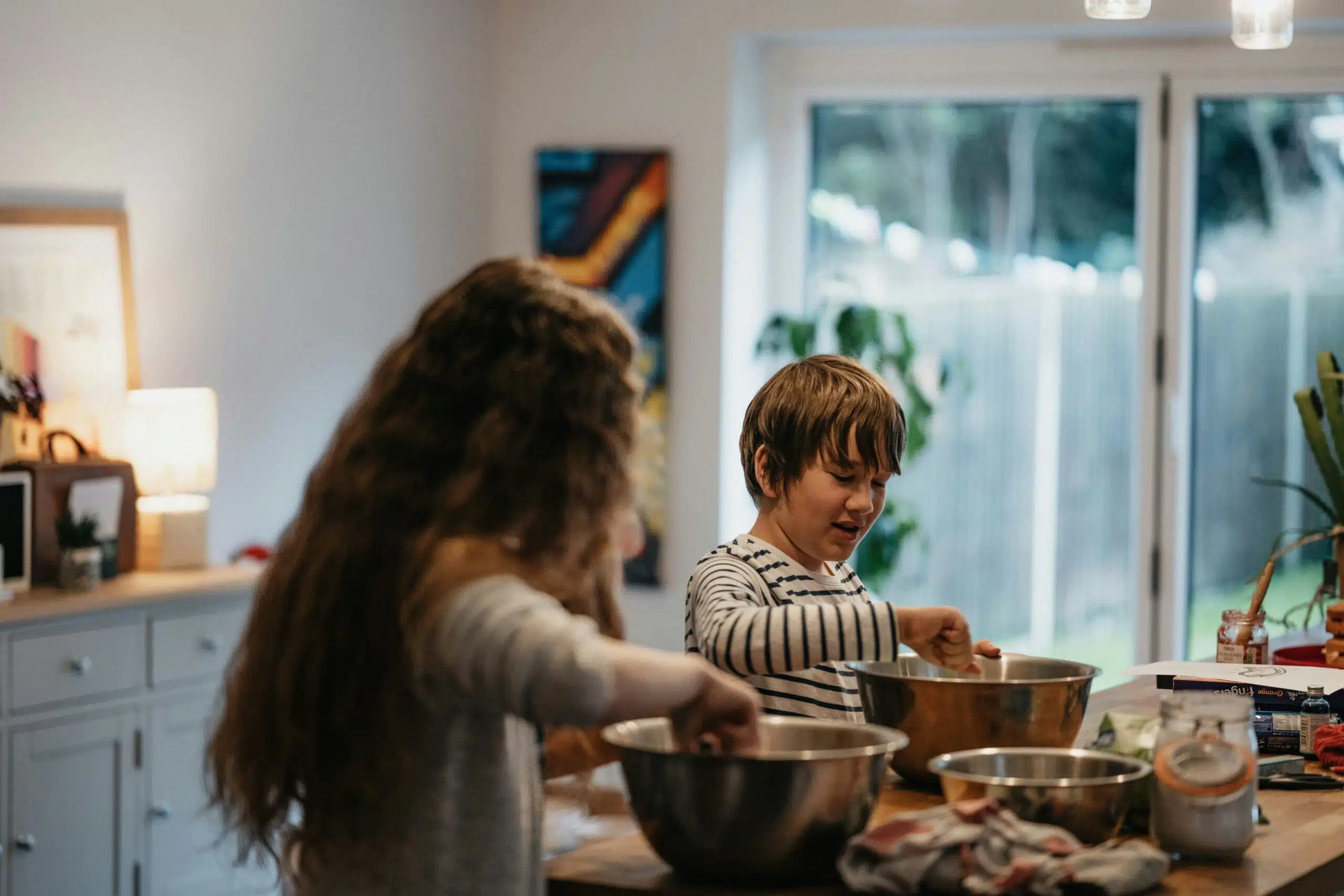
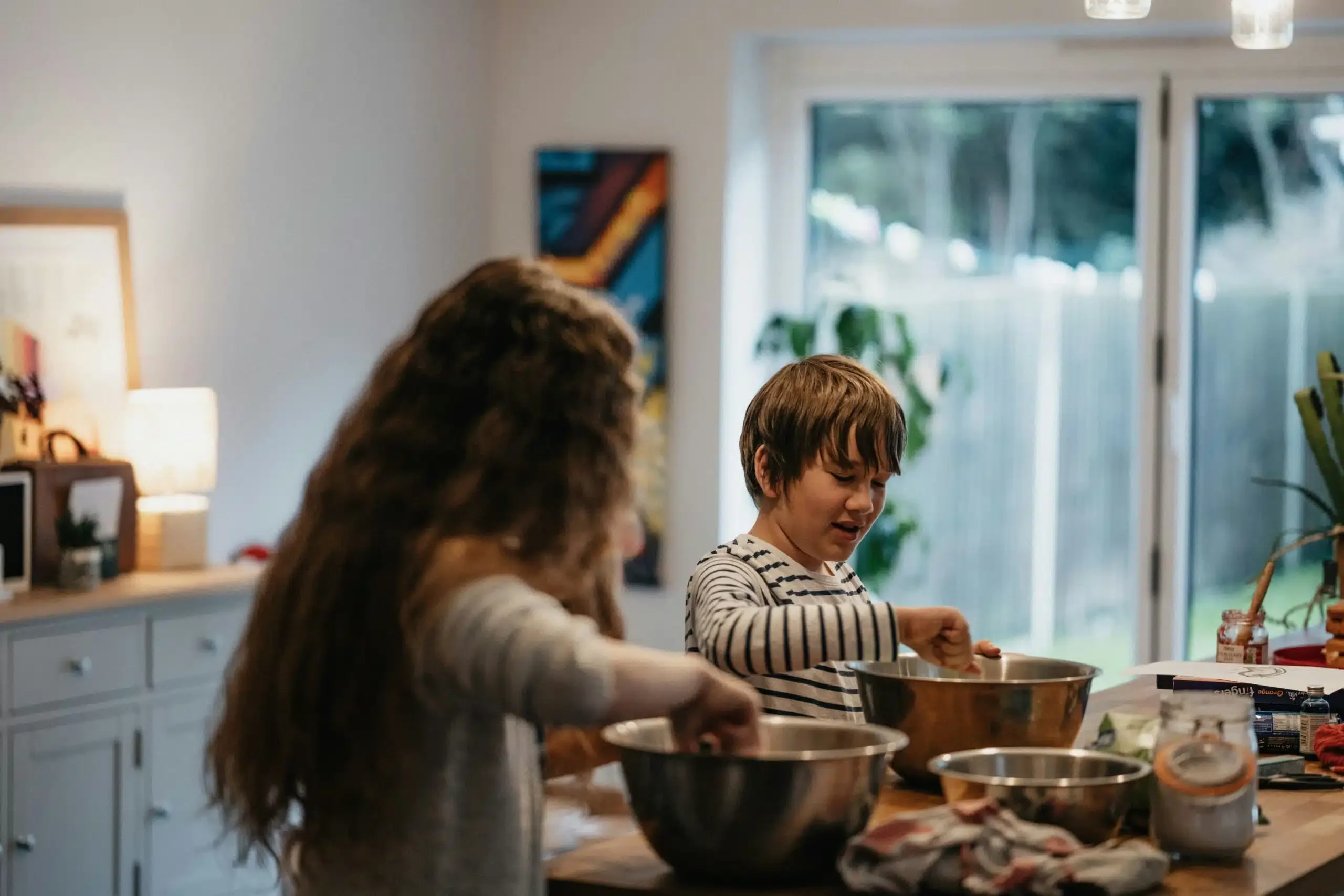
Involving children in food choices and preparation can make a big difference. When children help cook, choose ingredients, or even grow food, curiosity often replaces resistance. Simple activities like washing vegetables, stirring sauces, or helping plan meals encourage mindful eating and confidence. Children are also more likely to try foods they’ve helped prepare, even if they don’t love them straight away.
How do I encourage healthy eating without pressure?
Gentle encouragement works far better than force. Offering choices helps children feel involved rather than controlled: “Would you like carrots or cucumber?” “Do you want this raw or roasted?”
Pairing new foods with familiar ones and keeping portions small can reduce overwhelm. Repeated, relaxed exposure matters more than instant success. What if my child only eats a small range of foods?
The “same, but different” approach can help. Try preparing familiar foods in new ways or blending less popular ingredients into sauces, soups, or smoothies. Presentation matters too – colour, shapes, and variety can make food feel more approachable.
Sectioned plates can also be helpful for fussy eaters, making meals feel predictable and manageable.
How should I talk to my child about nutrition?
For many children, especially younger ones or those with additional needs, talking about nutrition works best when it’s visual, playful, and tailored to what they already love. Drawing or colouring in a “balanced plate” together can be a simple but powerful tool. You might ask, “What would your ideal plate look like?” and then gently explore where different foods could fit – proteins for strength, colourful foods for energy, and carbs for fuel. There’s no right or wrong plate; the aim is curiosity, not perfection.
Making up fun stories can help too. Turning vegetables into superheroes, talking about “power foods” for football, dancing, or concentrating at school, or linking foods to their favourite activities helps children connect eating well with things that matter to them.
These small, creative conversations help children understand why variety matters, without focusing on restriction or body shape. Over time, this kind of gentle education supports confidence and helps children make healthier choices for themselves.
What routines support healthier eating?
Predictable mealtimes are comforting. Eating together supports emotional wellbeing and participation, even if your child eats only one safe food at the table. Try to avoid constant snacking, which can blur hunger cues. If children need something after school, a small snack is fine – just aim to still sit together for meals when possible.
What matters most in the long run?
Healthy eating isn’t about perfect meals, it’s about creating a calm, supportive environment around food. Over-control can lead to resistance, especially for children who value autonomy. Small, consistent steps make the biggest difference. Keep routines steady, involve your child, and focus on learning rather than battles. A healthy relationship with food grows over time.
Key Takeaways
- Fussy eating is common and often part of development.
- Lead by example and model balanced, relaxed eating habits.
- Involve children in food choices and preparation.
- Encourage gently and avoid pressure around eating.
- Focus on health and wellbeing rather than body size or labels.
- Keep mealtimes calm, predictable, and shared where possible.
A Note of Care: These insights come from real parents and trusted experts who want every child to feel seen and supported. They’re not a substitute for professional advice – but a starting point and a guide to help you find understanding, confidence, and feel empowered. You’ve already taken a positive step by being here
Further Support: When to Seek More Help
If you feel your child’s eating difficulties may be more than fussy eating – or you’re worried about restrictive eating, distress around food, or changes in weight, mood, or behaviour – it’s important to seek further support.
If you’re concerned your child may have an eating disorder, you can find more information and guidance on our dedicated page for parents and carers here: Eating Disorders: Resources for Parents and Carers.
Further resources:
First Steps ED BEAT – Eating Disorders Eating Disorders Support Family Lives eating disorders information National Eating Disorders Association (NEDA)