Primary symptoms showing a child may be depressed
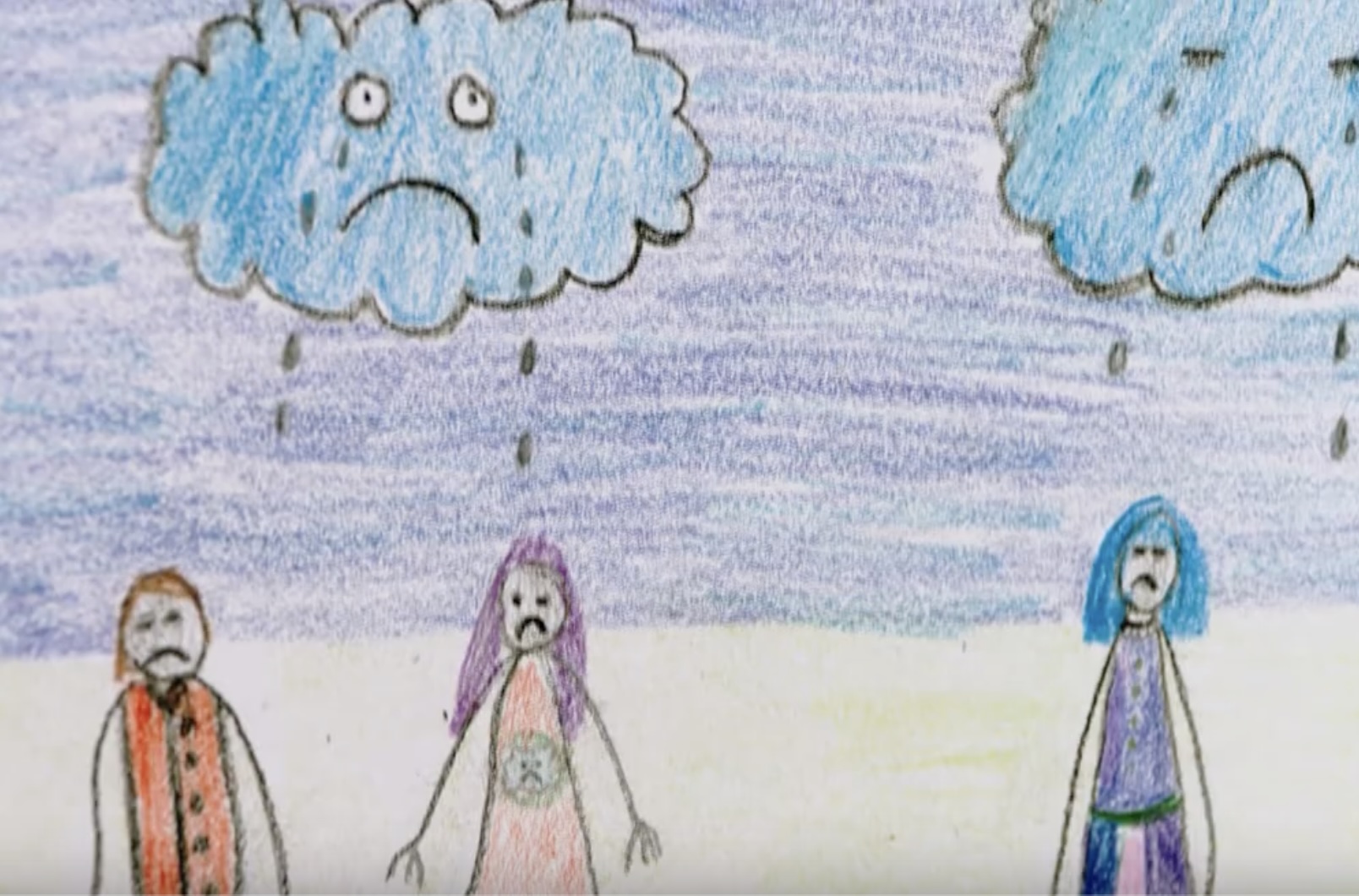
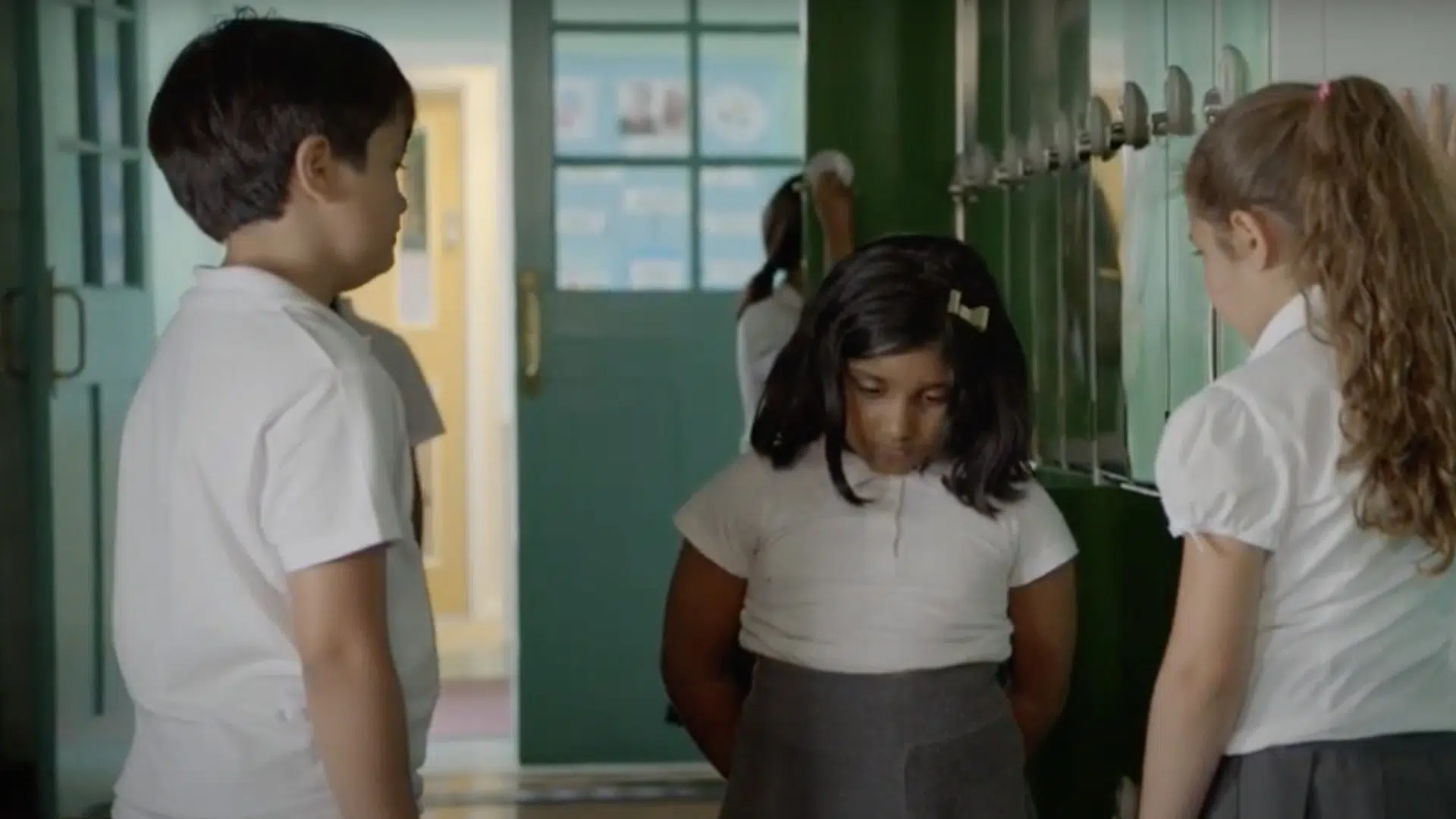
Depression can affect children in different ways. Most typically, a child with depression will feel ‘sad’ or ‘down’ for an extended period of time. They may present additional symptoms like irritability or a lack of enjoyment for things that they used to like doing.
In addition to the common symptoms above, there are a few other signs to look out for:
For example, if your child seems particularly worried, tearful or moody for a long time, these could all be signs of depression. Problems with sleep are often a red flag, and it’s worth noting if your child is eating too much or too little, especially when they seem particularly anxious.
Injuring oneself, taking uncharacteristic risks or not keeping safe can all be signs of depression in children.
What to do if you think a child you are caring for is depressed
If the depression is very mild or there are understandable reasons for feeling sad, you may not need to refer immediately to a healthcare professional.
In these cases, it can be more sensible to keep a watchful eye on the child and offer support – try to talk to the child and make sure they have regular exercise, a healthy balanced diet and a good daily routine, including a sleep routine.
If the symptoms persist or worsen, you should have a chat with your child’s school SENDCO, contact your local CAMHS or speak to your GP.
Free resources about depression in children
For more information about depression in children, you can download our free fact sheet.
You can also watch informational and real life account films about depression in children.