What was my initial reaction to the diagnosis of autism? Disbelief, grief, concern and worry over stigma. For the first three weeks, I didn’t tell anyone. Then I decided to open up.
How would you react if your child were diagnosed with Autism? Would you tell your community?
People react in different ways.
- Shocked.
- Sad that their child might have more struggles through life.
- Relieved to find out why the child behaves or feels the way they do.
- May welcome Early Intervention for their child.
- Fear of Stigma and Discrimination, so may not want to tell the school or friends
Stigma and Autism: a personal experience and journey
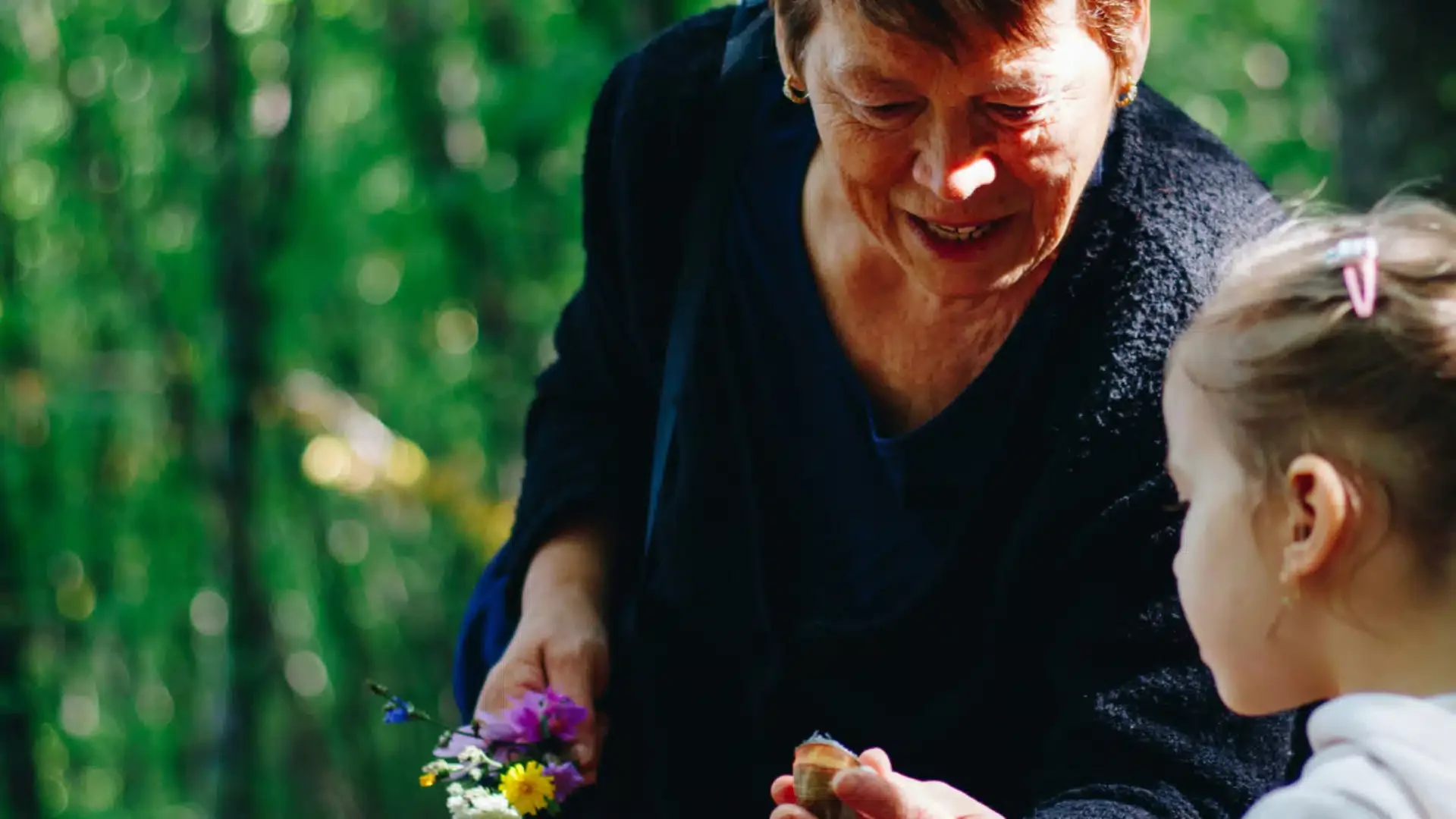
I am the grandmother of a 6-year-old girl.
Eva has always been a delight to be with. Smiley, fun, chatty, active, creative, full of ideas and imagination, observant, enthusiastic, proactive, good at problem solving and keen to help wherever possible.
We were aware that she was sometimes a bit bossy and liked to do things her way, and that she was very sensitive to noise.
She enjoyed going to school for nursery and reception and got on well with her peers although she favoured one or two friends.
In Year 1 there was a distinct change.
- She no longer liked going to school.
- She especially struggled with noisy spaces.
- The teacher refused to see the problem and said that Eva was happy and doing very well at school.
Eventually it was suggested that Eva should see the school counsellor/play therapist who after a few sessions recommended getting an Autism assessment.
To my astonishment this led to a diagnosis of autism.
What was my initial reaction to the diagnosis of autism?
- Disbelief – this result hadn’t crossed my mind.
- Grief – how can this happen to my gorgeous granddaughter?
- Concern about the future – what will be her chances in life?
- Stigma – Do I now have to tell people that my granddaughter is autistic? Or should I simply avoid telling my friends?
For the first three weeks I didn’t tell anyone. I just had to do some research and get my head around it. I’m in my 70s and when I was growing up no one talked about illnesses like cancer. The words “mental health” were not part of our vocabulary. Dementia was known as “senility”. People were classified as a bit strange or weird.
The first time many of us were introduced to autism was with the film Rain Man in 1988.
Thankfully we now have lots of information and I soon came to realise that autism, ADHD and all sorts of mental health conditions are now openly discussed.
Why do people keep secrets and not talk openly?
- Fear of what other people might think – Stigma
- People’s negative reactions and prejudice – Discrimination
Stigma is when people see you in a negative way because of a particular characteristic and might discriminate against you and not want to be friends.
How did I deal with the fear of stigma and autism diagnosis?
To start with I spoke to the closest members of our family and found them to be kind, positive and supportive. My nephew’s reaction was: “No problem. Eva will be fine. We have many autistic people working in my business.”
Then I shared the news with my good friend that I grew up with who said emphatically:
“Eva can’t be autistic! Autistic people don’t speak!”
I was very taken aback by this reaction and asked myself – Is it better not to tell my friends. Should I keep this a secret? Is there anything to be ashamed of?
NO! I decided that this was an opportunity to not be secretive but rather to share information to help others in the community become aware, understand and be supportive.
How can an autism diagnosis help a child?
Early diagnosis and intervention will establish the level of support the child will need and provide guidance for carers.
The terms ‘high functioning’ and ‘Aspergers’ are no longer used. So, the child is ‘on the autistic spectrum’ or more commonly simply ‘autistic’. That is a label, regardless of how well they are, or are not coping. But we need to look past that label.
We accept that Eva is neurodivergent and that her excellent brain is wired a bit differently. We are fortunate that she has the capacity, the drive and the personality to do well. Her mood and reactions can change according to the weather, the environment, sensory issues, unfamiliar situations. She can be very happy and excited or suddenly upset. She will hopefully be helped and understood in areas in which she might struggle and excel and be an asset to society in many other areas.
My daughter bought some children’s books to help explain Autism to Eva which included discussing:
- her many strengths and talents
- her challenges such as reactions to sensory overload
How do I feel about the autism diagnosis a year later?
Initially the primary school would not acknowledge issues and would not put in place some simple requests to help my granddaughter feel more at ease at school. As a result:
- It was a daily struggle to get her to go to school
- This anxiety impacted on her sleep
- But in class she seemed like her usual happy self, was compliant, got all her work done and did not show her feelings
- When she got home, she showed her pent-up anxiety with occasional meltdowns
In Year 2 the autism diagnosis was acknowledged at school, and they began to put in place some minor ‘reasonable adjustments’ that have made a big difference:
- Assemblies – a Teaching Assistant (TA) sitting next to her to help him with the feeling of overwhelm
- Playtime during bad weather, especially wind – being allowed to sit indoors doing some drawing or reading
- Ear defenders – being allowed to wear these at any time if she needs to
How can teaching staff normalise the situation so that the child doesn’t feel embarrassed?
- By speaking to all children about differences
- By explaining the use of ear defenders and perhaps having a few ear defenders in the classroom in case more than one child finds it too noisy
- By explaining about quiet/safe spaces. Agreeing a sign between the pupil and the teacher so the pupil can have time out and move elsewhere
- By explaining the importance of all children being kind and looking after each other
Once the environment around the child can be adjusted for them, their day-to-day experience will improve, and the child can thrive.
How to reduce the Discrimination and Stigma of an Autism diagnosis?
Adults need to be role models for children and young people to accept each other for who they are, and aim to create a more open-minded, empathetic and caring society.
- Differences need to be celebrated and not stigmatised.
You can read more about: