October is Breast Cancer Awareness month in the UK. It's important to raise awareness of the symptoms of breast cancer in women and men, so people know what to look out for. It's also essential that we discuss breast cancer and provide support and empathy to those who are affected by the disease.
If you or a loved one has been diagnosed with breast cancer, it can be overwhelming to manage your own feelings, worries and emotions about the disease. If you're a carer or a parent, you'll be wondering how and when to discuss the illness with your children - and how to protect their mental health and emotional wellbeing throughout your treatment journey.
This comprehensive guide provides age-appropriate strategies, specific conversation starters, and tangible mental health support actions for both children and parents navigating a breast cancer diagnosis.
Quick Actions for Parents: Your First Steps
Before talking to your children, complete these essential steps:
- Ensure you have emotional support before talking to children (call a friend, therapist, or support line)
- Choose a quiet, private space with no time pressure
- Plan to tell all children together at the same time
- Prepare age-appropriate language (see detailed guide below)
- Contact school within 24 hours of telling children
- Know the behavioural warning signs to watch for (see section below)
- Have immediate support numbers ready: Cancer Research UK 0808 800 4040
Preparing Yourself Emotionally: Parent Self-Care Comes First
Before you speak to your children about cancer, it's vital that you make sure you have sufficient support to manage your own feelings. You can't pour from an empty cup - your emotional stability directly impacts your children's ability to cope.
Tangible actions to take within 48 hours of diagnosis:
- Schedule your own counselling appointment. Don't wait until you're struggling - early support is essential.
- Identify three specific people who can provide childcare during treatment (write their names and phone numbers down now).
- Join a parent support group - online if in-person isn't possible. The Osborne Trust offers specific support for parents with cancer and their children.
- Practice what you'll say with a trusted friend or counsellor first. Rehearsing helps you manage your emotions during the actual conversation.
- Accept that you may cry during the conversation - this models healthy emotional expression for your children. Have tissues with you.
Choosing the Right Time and Place to Tell Your Children
Choose a quiet, private place to discuss your cancer diagnosis with your children. Clear your schedule - don't rush this conversation. Children process information slowly and will need time for questions.
Special considerations for children with existing mental health issues or additional needs:
If your child has anxiety, depression, or other mental health conditions, adapt your approach accordingly. Equally, if your child is neurodivergent, you may have other things to consider. For example, children with autism often struggle with change, so reassure your child about aspects of their life that will remain the same and explain specifically how you will help them manage any changes. Use visual schedules, social stories, or concrete timelines if these tools already work for your child.
Should you tell all children together?
If you have more than one child, it's usually best to tell all children at the same time. This ensures they feel equally informed and allows them to discuss it openly within the family. Children of different ages may respond differently, and young children may not fully understand, but hearing the same message together prevents secrets and supports sibling bonding during difficult times.
What to Say to Children About Breast Cancer: Age-by-Age Language Guide
How you explain breast cancer depends entirely on your child's developmental stage. Here are specific conversation starters and language examples for each age group.
For Toddlers and Preschoolers (Ages 2-4)
Key principles:
- Use simple, concrete words
- Keep explanations to 1-2 sentences maximum
- Maintain rigid routines - sameness provides security
What to say:
"Mummy has a boo-boo (or whatever word you use to describe something different to the norm) in her breast. The doctors are helping me get better. You didn't cause it, and you can't catch it."
Tangible support actions:
- Create a visual schedule showing when parent will be home versus at the hospital (use pictures or photos).
- Keep bedtime, mealtime, and other routines as consistent as possible.
- Give them a special comfort object (stuffed animal, blanket) to hold when they miss you.
Warning signs to watch for:
- Regression in toilet training
- Increased clinginess or separation anxiety
- Sleep disruptions or nightmares
- Aggressive behaviour or tantrums
For Primary School Children (Ages 5-11)
Key principles:
- Use concrete, honest terms
- Address magical thinking - explicitly state they didn't cause it
- Expect lots of questions, often repeated
What to say:
"I have something important to tell you about my health. I have cancer, which means some cells in my breast aren't working properly and are growing when they shouldn't. The doctors have a plan to treat it with medicine and possibly surgery. Nothing you did, said, or thought caused this. You cannot catch cancer from me."
Tangible support actions:
- Give them a special journal to draw feelings or write questions. Tell them they can ask anything, anytime.
- Create a 'worry box' where they can post anonymous concerns. Check it together weekly.
- Read age-appropriate books together like 'Mummy's Lump' from Breast Cancer Now.
- Maintain their extra-curricular activities - sports, music, clubs provide valuable normalcy and peer support.
Warning signs to watch for:
- Academic decline or difficulty concentrating
- Withdrawal from friends or family
- Physical complaints (stomach-aches, head-aches) without medical cause
- Becoming the 'perfect child' or excessively helpful (suppressing their own needs)
- Behavioural regression or increased anxiety
For Teenagers (Ages 12-18)
Key principles:
- Provide medical details appropriate to their understanding
- Acknowledge how treatment will affect family life
- Respect their developing independence while offering support
What to say:
"I need to tell you something serious. I've been diagnosed with breast cancer. [Explain type and stage if you're comfortable to do that]. My treatment plan includes [chemotherapy/surgery/radiation]. This will affect our family life - I may be tired, we might need to adjust plans, and I'll need help with things I usually do. I want you to know what's happening because you're part of this family and you deserve honesty. This is scary, and it's OK if you feel angry, sad, or confused."
Tangible support actions:
- Offer them choice in how involved they want to be (hospital visits, treatment discussions).
- Connect them with teen-specific support like Riprap (riprap.org.uk) or The Mix.
- Be honest about practical impacts: 'I might not be able to drive you to football practice on chemo days, but Aunt Jane can take you.'
- Don't burden them with adult worries, but don't shelter them from reality either. Find the balance.
Warning signs to watch for:
- Risky behaviours (substance use, sexual activity, reckless driving)
- Dramatic mood swings beyond typical teenage behaviour
- Social isolation or withdrawal
- Declining grades or skipping school
- Taking on excessive adult responsibilities (becoming 'the parent')
Why Honesty Matters When Talking to Children About Cancer
While it may be tempting to offer lots of reassurance and minimize the situation, honesty is best when talking to children about cancer. Children are perceptive - they sense when adults are hiding something, and their imaginations often conjure scenarios far worse than reality.
How to be honest without overwhelming them:
- If you don't know the answer to their questions, say so: 'That's a really good question. I don't know yet, but I'll do my best to find out. Some things we just won't know for a while.'
- If they're scared about the future, provide concrete reassurance: 'Someone will always take care of you. If I can't, Grandma and Grandpa will. You will always have people who love you.'
- If they respond by ignoring you, getting angry, or refusing to acknowledge your diagnosis, rest assured this is a normal coping mechanism. Don't take it personally. Say: 'I can see this is really hard. I'm here whenever you're ready to talk.' Try again in 24 hours.
- Balance honesty with hope: 'Yes, cancer is serious, but doctors have very good treatments now. Most people with my type of cancer get better.'
If your child has an existing mental health condition, contact your local CAMHS (Child and Adolescent Mental Health Services) or their school SENCO (Special Educational Needs Coordinator) within 48 hours of your diagnosis to explain the situation and request additional monitoring and support.
Common Questions Children Ask About Breast Cancer (And How to Answer)
Children have universal fears when a parent has cancer. Here's how to address them honestly and age-appropriately.
"Will you die?"
How to answer: "The doctors are giving me very good treatment. Most people with my type of cancer get better. I'm doing everything I can to get well, and the doctors are experts at helping people like me. But I understand you're scared, and it's OK to feel that way."
"Will I get cancer?"
How to answer: "Cancer is not contagious - you can't catch it from me. Most cancers are not inherited either. The chance of you getting cancer is very, very small. When you're older, you can talk to doctors about staying healthy, but right now, you don't need to worry about this."
"Is it my fault? Did I cause this?"
How to answer: "Absolutely not. Nothing you did, thought, or said caused this. Even if we argued yesterday, or you were naughty last week, that didn't cause my cancer. Cancer happens because of changes in cells that nobody controls - not you, not me, not anyone."
"Who will take care of me if you're in hospital?"
How to answer: Be specific. 'Grandma will pick you up from school on treatment days. Auntie Sarah will help with bedtime. Dad will still make your breakfast. Your routine will stay as normal as possible, and I'll always call to say goodnight, even if I'm in the hospital.'
Preparing Children for Treatment Side Effects: What to Say Before They See Changes
Don't wait for children to notice physical changes. Prepare them in advance so changes aren't scary or confusing.
Sample explanations:
- Hair loss: "The medicine that fights cancer might make my hair fall out, but it will grow back after treatment. Some people wear scarves or hats, or some go without. Would you like to help me pick out some fun scarves?"
- Fatigue: "I might be very tired and need to rest more than usual. That doesn't mean I don't want to spend time with you - it means my body needs extra sleep to heal."
- Nausea: "Some days I might feel sick to my stomach. The doctors will give me medicine to help, but I might need to eat different foods or rest more."
- Surgery/prosthetics: "The doctors might remove part of my breast to get rid of the cancer. Afterwards, it will look different, but it will heal. Some people use a special insert to make their clothes fit the same way."
Tangible preparation actions:
- Show before-and-after photos of hair regrowth (many cancer charities have these).
- Let children help choose headscarves, hats, or wigs. This gives them control and involvement.
- Prepare them for prosthetics if having a mastectomy - explain what it is and why some people use them.
When a Conversation Goes Wrong: What to Do If Your Child Shuts Down
Not every conversation will go smoothly. If your child shuts down, runs away, or becomes angry, this is a normal protective response - not a reflection on you or your parenting.
What to do:
- Don't chase or force the conversation. Give them space.
- Say calmly: 'I can see this is really hard. I'm here whenever you're ready to talk. There's no rush.'
- Try again in 24 hours, but in a different setting. Car rides and walks remove the pressure of eye contact.
- Consider using indirect methods: reading a book about cancer together, drawing, or using toys to act out scenarios.
- For children with autism or communication difficulties, visual aids like social stories or emotion cards can help them process without needing to verbalize immediately.
Supporting Siblings: Making Sure No Child Feels Forgotten
When a parent has cancer, siblings often feel forgotten as the illness dominates family attention. Cancer can become 'the other child' in the family.
Tangible actions to support all children equally:
- Schedule one-on-one time with each child weekly - even just 15 minutes of undivided attention matters enormously.
- Create a 'sibling support buddy' system - another adult (aunt, godparent, family friend) who checks in specifically with siblings.
- Acknowledge their feelings explicitly: 'It's OK to feel angry that cancer is taking up so much of our time. Your feelings are valid.'
- Give them age-appropriate jobs so they feel helpful: making a card for hospital days, choosing a movie for recovery time, being 'in charge' of a specific task.
- Watch for the 'invisible child' syndrome - the child who becomes excessively good and helpful to avoid causing problems. These children need permission to have needs too.
Warning Signs Your Child Needs Professional Mental Health Support
While many emotional reactions are normal, some behaviours indicate your child needs professional support beyond what family can provide.
Seek immediate professional help if you notice:
- Suicidal thoughts, self-harm, or talking about wanting to die
- Complete refusal to engage or speak about the situation for more than 2 weeks
- Severe academic decline (failing grades when previously doing well)
- Loss of interest in ALL previously enjoyed activities for more than 2 weeks
- Persistent physical symptoms (headaches, stomach aches) that interfere with daily functioning
- Significant changes in eating patterns (refusing to eat, binge eating)
- In teenagers: substance use, risky sexual behaviour, or reckless activities
Action steps:
- Contact your GP within 24 hours to request a mental health referral.
- If your child already has CAMHS support, contact them immediately to update them on the situation.
- Call a crisis helpline if you're concerned about immediate safety: Childline (0800 1111), Samaritans (116 123).
- Don't wait for symptoms to get worse. Early intervention prevents escalation.
Practical Daily Support Strategies: Creating Stability Through Routine
Beyond the initial conversation, children need ongoing support through daily rituals and stability-creating routines.
Morning routine visual card:
Create a visual checklist children can follow independently. This reduces the need to ask 'How are you feeling today, Mummy?' every morning, which can be exhausting for both parent and child. The visual routine provides control and predictability.
Daily feelings check-in system:
- Use emotion charts or colouring books. The book 'Colouring Cancer' helps children understand cancer visually.
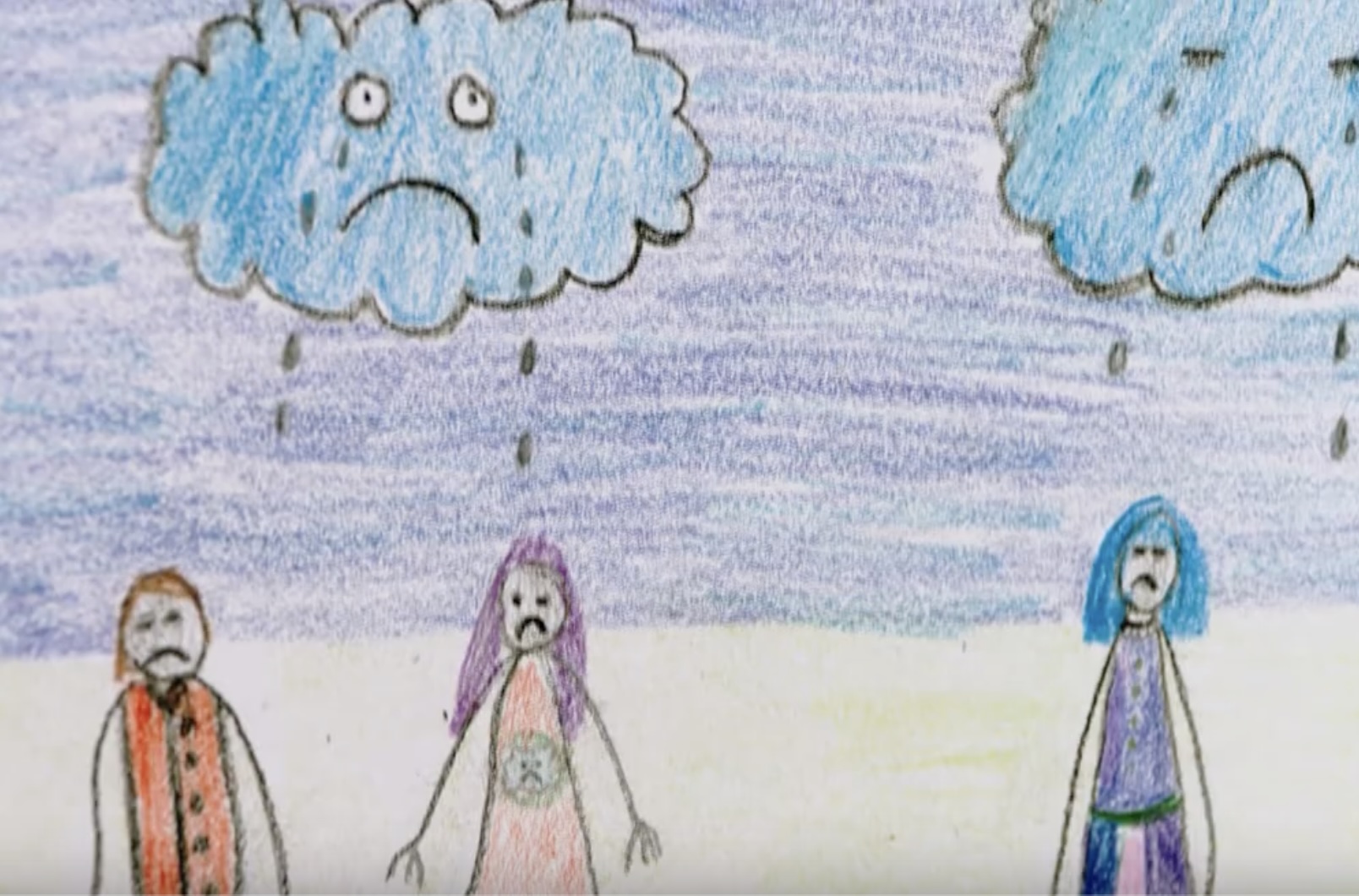
- Implement a daily 5-minute 'weather report': 'How's your weather today? Sunny, cloudy, stormy?'
- No judgment, just acknowledgment. 'I hear that you're feeling stormy today. That makes sense.'
Communication tools:
- Request free Family Cancer Support Kit from organizations like The Fruitfly Collective or Macmillan.
- Read age-appropriate books together: 'Mummy's Lump' from Breast Cancer Now is excellent.
- For children with autism or learning disabilities: use visual aids, social stories, and concrete timelines showing treatment schedules.
Working With Your Child's School: Essential Steps Within 24 Hours
Schools play a critical role in supporting children during a carer or parent's illness. Contact school immediately - don't wait.
Within 24 hours of telling your children:
- Contact the school and speak to your child's form tutor, SENCO, or head of year.
- Request a care plan meeting within one week.
- Email is fine but follow up with a phone call to ensure it's been received.
What to request from the school:
- A designated adult your child can talk to (pastoral care staff, school counsellor, trusted teacher).
- Flexibility with homework during difficult treatment periods (deadlines extended, reduced workload).
- Active monitoring for behavioural changes (teachers to report concerns immediately).
- Permission for your child to leave class if overwhelmed (with a plan for where they go).
- For children with existing SEN support: update their Individual Education Plan to reflect current circumstances.
Long-Term Mental Health Monitoring: Cancer Conversations Are Ongoing
The conversation about cancer isn't one conversation - it's an ongoing dialogue that evolves throughout treatment and beyond.
Check in regularly, especially at transition points:
- When starting new treatment phases (chemotherapy, surgery, radiation)
- Before and after surgery - prepare them, then debrief after
- When returning to school after absences
- At milestones (birthdays, holidays) which can trigger anxiety
- Post-treatment - adjustment to 'new normal' is also stressful and requires support
Weekly family meetings:
Hold brief weekly family meetings (15-20 minutes maximum) to check in. Use the 'rose, thorn, bud' format: What was good this week? What was hard? What are we looking forward to? This creates predictable space for emotional processing.
Children's understanding of cancer evolves as they mature. A child who accepted simple explanations at age 5 will have different questions at age 10. Revisit conversations as they develop.
Permission to Be Imperfect: Self-Compassion for Parents
There is no perfect way to handle this situation. You will have days where you manage beautifully and days where you don't. Your children need your honesty and presence more than perfection.
Permission statements:
- It's OK if you can't answer every question right away.
- It's OK to cry in front of your children - this models healthy emotional expression.
- It's OK to say 'I'm scared too' - honesty about your feelings helps children understand their own.
- It's OK to accept help. This is not the time to be self-sufficient.
- If a conversation goes poorly, you can always revisit it. Say: 'I don't think I explained that very well earlier. Can we talk again?'
Your children will remember how you made them feel during this time more than the exact words you said. Kindness, honesty, and consistency matter more than eloquence.
Finding Emotional Support: Resources for You and Your Family
It's vital that you and your family get emotional support to help you come to terms with your diagnosis. You can't navigate this alone.
Immediate Actions (within 48 hours of diagnosis):
- Call Cancer Research UK nurses: 0808 800 4040 (free, confidential support)
- Access Macmillan's online resources for talking to children at macmillan.org.uk
- Contact your child's school designated safeguarding lead
- If your child has existing mental health or neurodivergent needs: Contact their current mental health provider or support group immediately to update them
Ongoing Support Services:
- The Osborne Trust: Specialist support for children during a parent's cancer treatment
- Riprap : Support specifically for teenagers with a parent who has cancer
- Maggie's Centres: Free support groups and stress management for families
- Cancer Chat: Online forum for peer support 24/7 at cancerresearchuk.org
- Breast Cancer Now: Free resources including the book 'Mummy's Lump' for children
- The Mix: Mental health support for under-25s
Practical Help:
- Carer's Trust: Can provide respite childcare
- Home-Start: Free practical help for families with young children
- Local social services: Can help with shopping, housework, and benefits applications
Mental Health Specific Resources:
- Childline: 0800 1111 (free, confidential support for children)
- Young Minds Parent Helpline: 0808 802 5544 (for parents worried about their child's mental health)
- Nip in the Bud: Comprehensive information about managing children's mental health conditions at nipinthebud.org
Final Thoughts: You Are Not Alone
A breast cancer diagnosis affects the entire family, not just the person diagnosed. Your children's emotional wellbeing matters just as much as the medical treatment plan.
By prioritizing honest communication, age-appropriate support, and mental health monitoring, you give your children the tools they need to process this difficult experience in a healthy way.
Remember: You're never alone in this journey. Support is available, and asking for help is a sign of strength, not weakness.
Together, families and communities can face cancer with resilience, honesty, and hope.