Yoga for children is becoming increasingly popular in homes, schools and early years settings - and with good reason. Beyond improving flexibility and strength, yoga offers children a calm and accessible way to support their emotional wellbeing. The combination of gentle movement, breath work and mindfulness can help children regulate their emotions, build resilience, and develop a more positive connection with their bodies. At Nip in the Bud, our films are created for parents, carers and teachers of young children. In this article, we explore how yoga supports children’s mental health, and share tips from our friend Alis Rocca - headteacher, mindfulness practitioner and life coach - who leads our Connecting in Nature wellbeing series.
Why Yoga and Meditation Help Children’s Mental Health
Yoga and meditation have long been linked to good mental health and wellbeing. For children, the benefits can be especially powerful. The gentle movement of the body, combined with slow, controlled breathing, encourages healthy physical development while calming the nervous system. Because physical and mental wellbeing are deeply connected, these moments of stillness and balance can help children feel safer, more grounded and more aware of their emotions.
Alis often describes yoga as a holistic approach to wellbeing:
- Movement to regulate the body.
- Breath to calm the mind.
- Connection to nature to uplift the spirit.
When children practise yoga outdoors - feeling the breeze, noticing sounds, grounding their feet on the grass - it becomes more than an activity. It becomes a moment of connection and joy.
How Yoga Reduces Anxiety in Children
Anxiety disorders are among the most common mental health difficulties in childhood. Studies suggest that between 8% and 27% of children will experience anxiety by the age of 18.
Yoga can play a supportive role in helping children manage anxious thoughts and feelings. Here’s how:
- Calming the central nervous system: Slow breathing, stretching and mindful pauses help reduce the fight-or-flight response.
- Building emotional awareness: Children learn to notice how their body feels when they are tense, worried or relaxed.
- Offering healthy distraction: Focusing on movement or breath can interrupt spirals of worry.
- Teaching lifelong strategies: Breathing techniques and grounding exercises used in yoga can support children through adolescence and adulthood.
Yoga doesn’t require perfection - just presence. Even a few minutes a day can make a meaningful difference.
How Yoga Supports Behavioural and Attention Difficulties
Yoga can also benefit children who experience behavioural challenges, ADHD or Conduct Disorders. Through regular practice, children can learn to:
- Channel physical energy in a positive and structured way
- Improve focus by directing attention to one movement or breath at a time
- Strengthen self-regulation skills, making it easier to pause before reacting
- Build confidence, especially when they notice small improvements over time
These skills often translate into calmer experiences in classrooms, social interactions and routines at home.
Nature-Based Yoga: Simple Moves to Try
As part of our Connecting in Nature series, Alis shares easy, child‑friendly yoga poses that can be done at home or outdoors. These movements help children feel grounded and connected to the world around them:
Sun Salutation
Reach up high, swoop the arms down into a forward bend, and gently unfold to standing. Repeat with slow breathing.
Tree Pose
Balance on one leg, tucking the other into the calf or thigh. Stretch the arms up like branches swaying in the breeze.
Caterpillar Pose
Sit with legs outstretched, knees soft, and fold forward over your legs. A calming stretch for the whole body.
Butterfly Pose
Press the soles of the feet together, letting the knees fall out to the sides like wings opening.
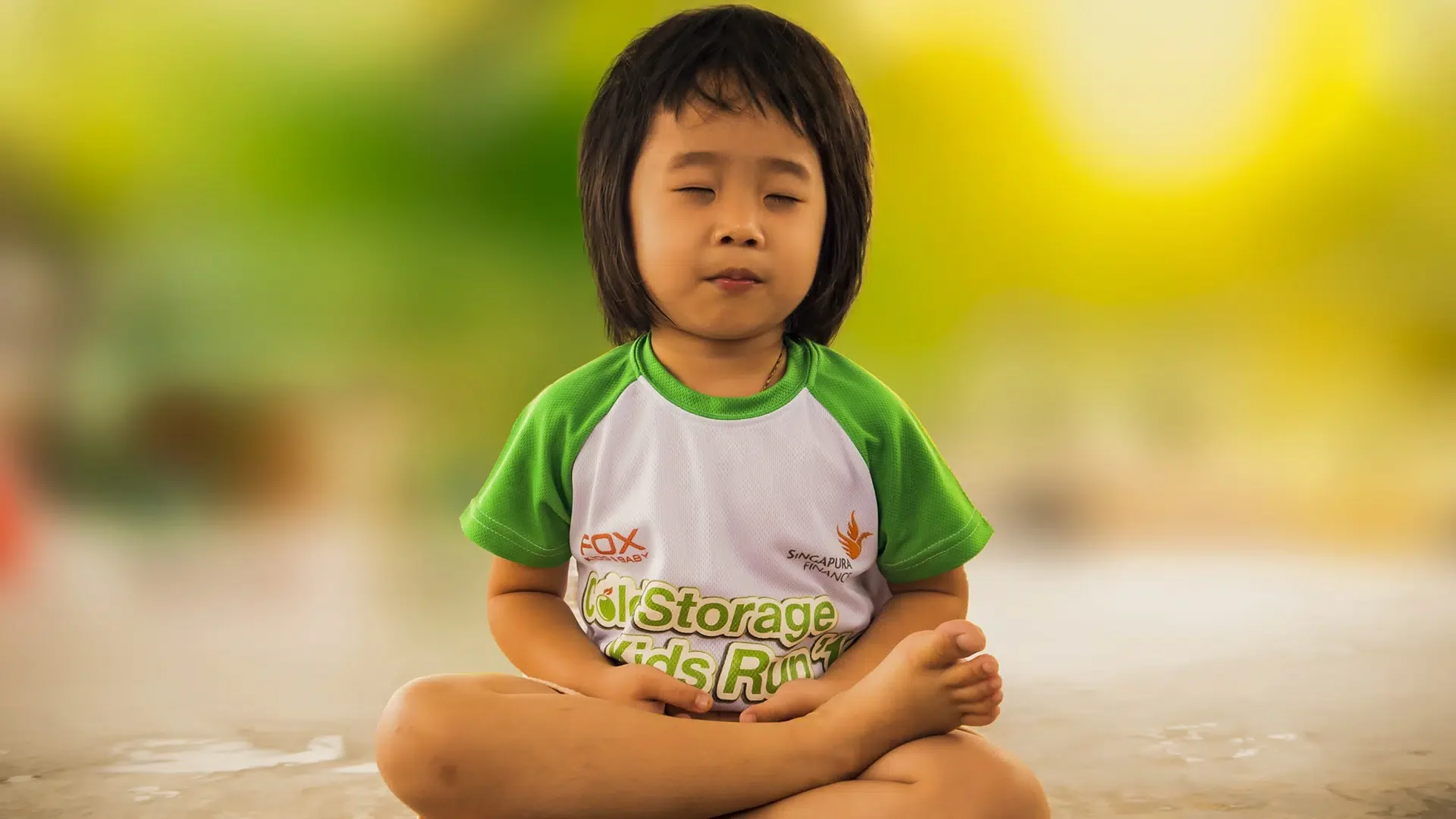
Simple Meditation
Sit or lie comfortably. Close the eyes. Breathe in and out through the nose, counting down from 10. If the mind wanders, gently start again. Notice sounds, sensations and the warmth of the sun or breeze. Then wiggle fingers and toes, and open the eyes with a smile.
These gentle practices can help children reset after a long day, prepare for school, or find calm during moments of stress.
Explore the Full ‘Connecting in Nature’ Series We created this series to help children think about their mental health through the lens of nature, movement and emotional connection. Across seven short films, Alis explores:
- How being in nature supports wellbeing
- Simple ways to help children stay grounded
- Child-friendly yoga, breathing and mindfulness ideas
- How adults can model calmness and connection
What Matters Most Yoga isn’t about doing every pose perfectly. It’s about creating moments of calm, connection and curiosity - helping children feel safer in their bodies and minds. When practised gently and without pressure, yoga can strengthen focus, ease anxiety, support behavioural regulation and nurture wellbeing.