Hero Image
Learning about Children’s Mental Health through Film

We are Nip in the Bud®

Nip in the Bud® works with mental health professionals of the highest standing to produce FREE short evidence-based films, fact sheets, blogs and podcasts to help parents/carers, primary school staff, teacher trainees and others working with children to recognise potential mental health conditions. The goal is to increase early intervention so the negative impact of conditions can be “nipped in the bud” to avoid them becoming more serious in later years. Our films and resources cover expert Information on many conditions and mental wellbeing topics, Real Life Experience, Emotional Wellbeing and Practical Guides.

Commonly asked questions

Start here

I'm a teacher worried about a child in my class

Every child learns differently, and neurodivergent students often thrive with clear routines, flexible approaches, and accommodations tailored to their strengths. Small adjustments—like providing visual aids, offering movement breaks, or allowing alternative ways to demonstrate learning—can make a significant difference. You’re not alone in this; collaborating with parents, specialists, and the student themselves can help create an inclusive environment where they feel valued and capable.

Tips on ADHD for teachers

My son is disruptive and can't concentrate, what can I do?

Parenting a child who struggles with disruptive behavior can be overwhelming, and it’s okay to feel concerned or even frustrated at times. Instead of focusing solely on the disruptions, try to observe patterns (triggers, times of day, or specific frustrations) that could provide clues. Small, consistent strategies—like clear routines, visual schedules, calming tools, or positive reinforcement—can help him feel more secure.

My child is anxious about returning to school.

It is normal for young children to have worries but if these worries become intense and begin to impact on their daily lives, it may be that they have an anxiety disorder. This film explains more about the different kinds of anxiety disorders, how to recognise them and how to help a child who has one.

What is Conduct Disorder amd what can I do about it?

Conduct disorders are characterised by repetitive and persistent patterns of antisocial, aggressive or defiant behaviour that is more frequent and severe than other children of their age. When children show a lot of challenging behaviours, it is easy to get into a cycle of paying lots of attention to the difficult behaviours, and less attention to the positive behaviours.

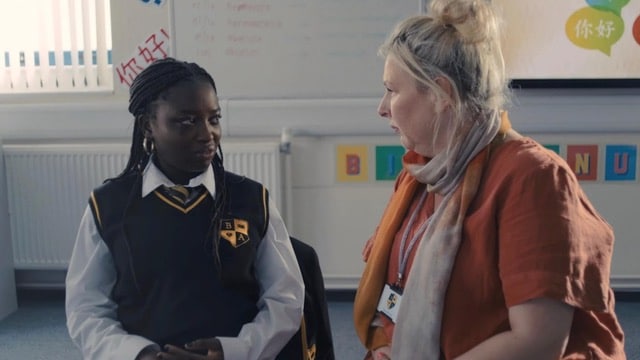
Latest on Neurodivergence

Neurodivergence in children refers to the natural variations in how brains develop and function, leading to differences in thinking, learning, and behavior compared to what is considered "typical". It's an umbrella term encompassing a wide range of neurodevelopmental conditions like autism, ADHD, dyslexia, and dyspraxia. Understanding and supporting neurodivergent children is crucial for their well-being and development

Latest on Emotional Wellbeing

Children's emotional well-being, crucial for their development and overall health, involves fostering resilience, managing emotions, and building positive relationships, which can be supported through nurturing environments and open communication

Early Intervention Series

Early Intervention Series

Nip in the Bud has produced four short early intervention films to explain the steps parents/carers can take to help a child who they suspect may be struggling…
19th Jun 2025

Latest on Mental Health

Children's mental health is crucial for their overall well-being and future success, encompassing emotional, social, and cognitive development. Early intervention and support are vital, as mental health issues can have long-lasting effects if left unaddressed.

Gallery

Stuff